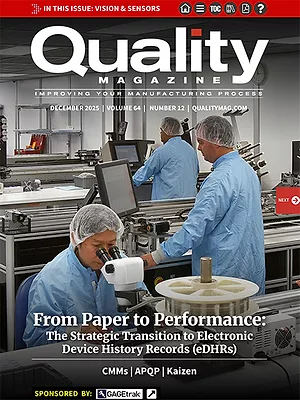
Check out the December 2025 edition of Quality! Read our cover story on The Strategic Transition to Electronic Device History Records (eDHRs). Also in this issue: features on Smart Inspections, Safe Processes, Gloss, Haze, and the Hidden Variables, Automated APQP, and much more!
The stakes for quality in medical device manufacturing have never been higher. Products are becoming more complex, regulatory expectations continue to evolve, and the pressure to deliver faster, more efficiently, and with total traceability is growing every day.
Risk management has taken center stage in quality management, particularly with recent ISO updates. Organizations must recognize that risk encompasses both negative impacts and potential opportunities. By utilizing diverse analytical tools and effective brainstorming, businesses can navigate risks, minimizing downsides while capitalizing on growth opportunities.
How often have you attempted to implement continuous improvement in your organization, only to find that the improvements don’t last? How frequently have you struggled to get buy-in from team members?
CMMs have been in the industry since the ‘70s and historically had an untrusted stigma. Because of their time in the industry and their continued evolution, that’s changed.
“The biggest challenge with CMMs is that they are CMMs. They have been in the industry for a very long time and typically have a negative connotation about them.
In an era where cybersecurity is often seen as just a budget checkbox, it's crucial to recognize its potential to drive growth and enhance trust. Explore how leveraging a combined approach of Lean, Six Sigma, and Theory of Constraints can transform cybersecurity from a mere shield against threats into a powerful catalyst for business success.
Well-executed Advanced Product Quality Planning (APQP) is a cornerstone of most successful product launches across a wide spectrum of manufacturing companies today.
Key factors such as gloss, haze, distinctness of image, and orange peel work together to determine the overall total appearance, along with hidden variables that also control your outcome.
A customer's first impression of a product depends largely on its appearance. Issues in formulation or processing can create defects that diminish perceived quality. Key factors like gloss, haze, and distinctness of image (DOI) impact overall appearance, while hidden variables also play a role. Understanding these elements is vital for ensuring consistent quality and customer satisfaction.
Looking back, I see how deeply my ASQ journey has shaped my career. Each role I’ve taken on as a member leader, whether coordinating social media, planning webinars, or serving on the conference committee, has built skills I’ve carried directly into my work.
During my management career at a Fortune 50 company, we were taught to treat quality and safety as top priority. They were considered essential and everything else was secondary.
The relentless pursuit of quality and reliability is at the core of all manufacturing operations. As control systems become more complex and interconnected, new challenges and opportunities emerge for quality professionals.
The purpose of this article is to show how a Quality practitioner can effectively enhance their Lean Six Sigma improvement efforts using available technology. Following the established framework of Define, Measure, Analyze, Improve, and Control, technology can enhance the coverage, predictability, and effectiveness of these in ways that exceed the limitations of manual work.
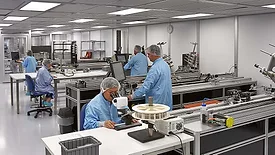








.webp?height=168&t=1762966990&width=275 "an industrial engineer working in a factory or similar environment")