NDT
Enhancing Material Analysis: The Role of XRF and LIBS in Nondestructive Testing
Enhancing NDT Applications with XRF and LIBS Technologies
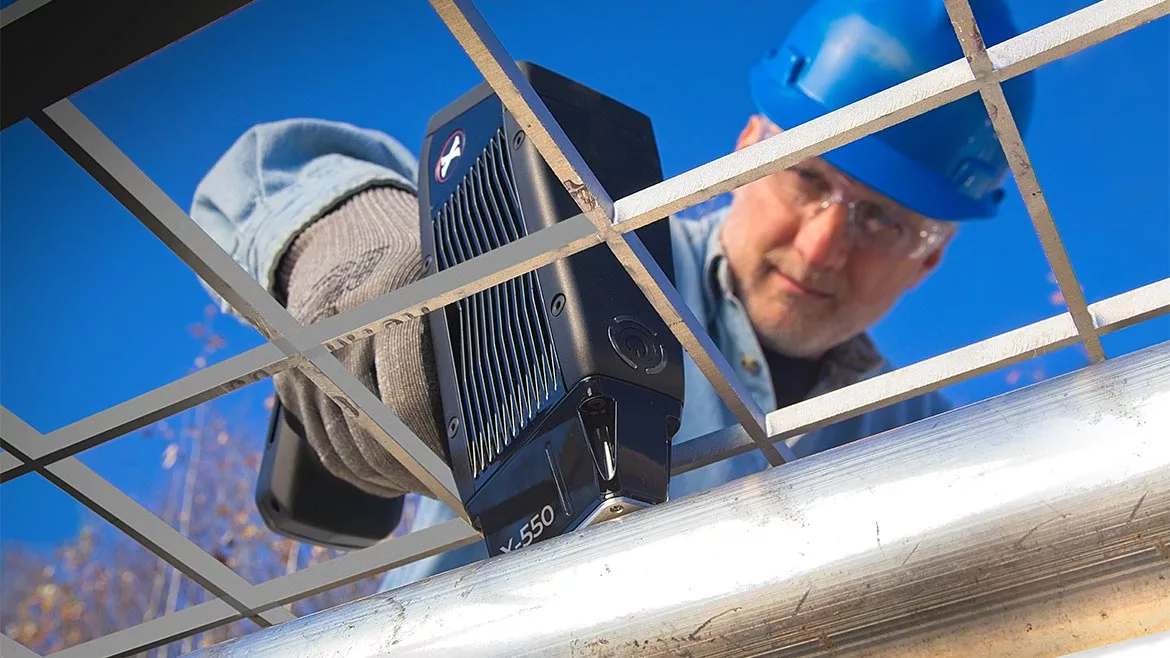
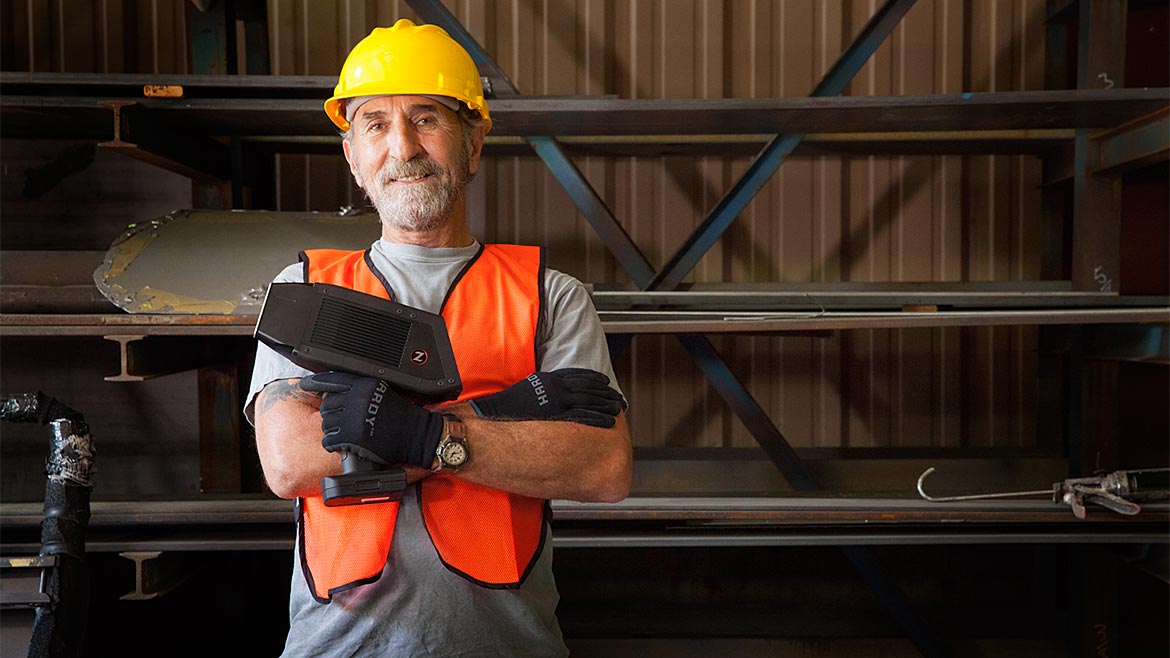
Image Source: SciAps Inc.
In the realm of nondestructive testing, XRF (X-Ray Fluorescence) and LIBS (Laser-Induced Breakdown Spectroscopy) technologies are indispensable tools for material analysis, particularly in the field for sorting and grading. These two methods complement each other by offering unique strengths—XRF excels at identifying elemental composition, while LIBS is proficient in measuring lighter elements like carbon.
Comparison with Other NDT Methods
XRF and LIBS technologies are often compared with other techniques such as Spark Optical Emission Spectroscopy (Spark OES). Spark OES is highly effective for analyzing a wide range of elements, including carbon, sulfur, and phosphorus, making it a robust choice for detailed compositional analysis of metals. However, it requires more elaborate sample preparation and is less portable than XRF or LIBS. Spark OES requires users to wear big backpacks with a cord and a probe as well as bring a bulky OES instrument with a huge argon tank. XRF and LIBS, however, stand out for their portability and rapid analysis capabilities, particularly in field applications where immediate sorting and grading of materials are essential.
Technological Advancements
Recent advancements in XRF and LIBS technology have significantly enhanced their utility and efficiency in material analysis. One of the key developments is the increased portability of these instruments, making them more user-friendly and practical for fieldwork. rel="noopener noopener" target="_blankModern handheld XRF and LIBS analyzers are now lighter and more compact, enabling easier transportation and operation in remote locations. Additionally, improvements in analysis speed have reduced the time required to obtain results, allowing for near-instantaneous material identification and grading. Software integration has also evolved, with advanced algorithms providing more accurate and reliable data interpretation. Many devices now feature user-friendly interfaces, cloud connectivity, and data management systems, which streamline the analysis process and enhance decision-making.
Fundamental Principles of XRF and LIBS
XRF operates by directing high-energy X-rays at a material, causing inner-shell electrons to be ejected from the atoms. As outer-shell electrons fill these vacancies, they emit secondary (fluorescent) X-rays characteristic of the elements present. This process allows for precise elemental identification and quantification. LIBS, on the other hand, uses a focused laser pulse to ablate a tiny amount of material, creating a high-temperature plasma. The plasma emits light as it cools, and this light contains spectral lines unique to the elements in the sample. By analyzing these lines, LIBS provides a detailed elemental composition. Both techniques interact with materials at the atomic level, but while XRF is highly effective for heavier elements and provides deep penetration, LIBS excels in analyzing light elements like carbon and offers more surface-level insights. Understanding these principles is crucial for optimizing their use in various applications, from material sorting to compliance testing.
Utilizing XRF for Initial Material Sorting
XRF analyzers are pivotal in the initial sorting phase of materials. They quickly identify major elements in metals, such as low alloy steels, and can distinguish between different grades of stainless steel like 304 and 316. The process is straightforward: simply point, shoot, and let the instrument’s software provide an on-screen identification of the material.
For example, when sorting stainless steel, XRF can differentiate 316 from 304 by analyzing key elements like nickel, chromium, and molybdenum. This rapid, non-destructive analysis is ideal for efficiently sorting large quantities of material in the field.
Transitioning to LIBS for Carbon Grading
While XRF is excellent for general sorting, it cannot measure carbon content—a crucial factor in grading materials into L (low carbon) or H (high carbon) categories. This is where LIBS technology becomes essential. LIBS instruments can directly measure carbon content after proper sample preparation.
The Importance of L and H Grade Sorting
Sorting materials into L and H grades is critical for several reasons:
- Corrosion Resistance: Low carbon (L grade) stainless steels, like 316L, are used in environments where corrosion resistance is paramount, such as in chemical processing, marine applications, and food industries. The lower carbon content minimizes carbide precipitation, which can lead to intergranular corrosion in welds.
- Weldability: L grade materials are preferred in applications requiring extensive welding. The reduced carbon content decreases the likelihood of sensitization, a process that can cause weld decay and reduce the mechanical integrity of the weld joint.
- Mechanical Properties: H grade (high carbon) stainless steels, like 316H, offer higher strength and hardness due to their increased carbon content. These grades are often used in high-temperature environments, such as in power plants and industrial furnaces, where structural integrity under heat stress is crucial.
- Compliance and Standards: Different industries and applications have strict material specifications to meet safety, durability, and performance standards. Properly sorting materials into L and H grades ensures compliance with these standards and helps avoid costly failures or rework.
Proper Sample Preparation for LIBS Analysis
Accurate LIBS analysis hinges on meticulous sample preparation to avoid contamination and ensure precise readings:
- Grinding: Use a ceramic or zirconium oxide disc (40 to 120 grit) to clean an area of at least 1"x1". These materials do not contaminate the sample, unlike aluminum or silicon oxide discs.
- Removing Contaminants: Ensure the test area is free from oil, grease, paint, or rust. Avoid touching the sample with bare hands post-grinding, as skin oils can alter the carbon reading.
- Preparation Techniques: For heavily rusted surfaces, start with coarser grit (40-grit) to remove rust, followed by finer grit for final polishing. Painted surfaces might require paint removal under safety protocols before grinding.
- Avoid Cross-Contamination: Dirty grinding media can introduce unwanted elements into the sample, leading to inaccurate results. Always use clean tools and ensure the surface is properly prepared.
Performing LIBS Analysis
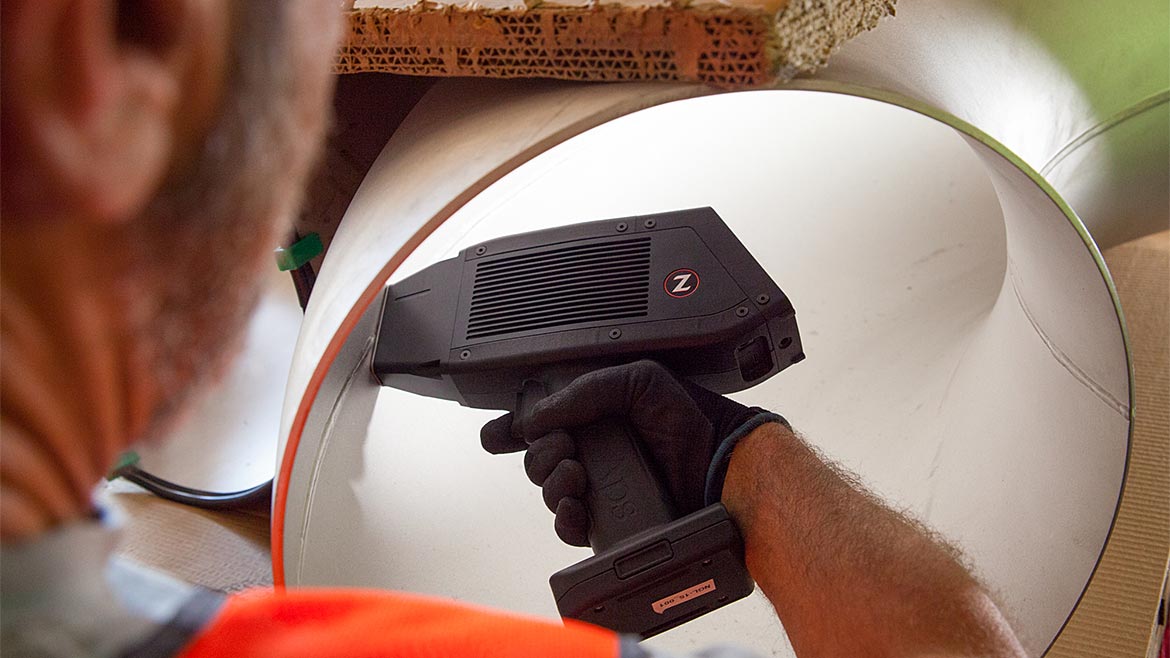
Once the material is prepared, place it under the LIBS analyzer, pull the trigger, and let the instrument measure carbon content. The analyzer emits several laser pulses, taking multiple readings to produce an average carbon content. With that carbon analysis, you’re able to determine whether that material is L or H grade.
For example, 316 stainless steel is considered “high carbon” when its carbon content exceeds 0.08%, which is the standard maximum for regular 316 stainless steel, while a “low carbon” 316L variant typically has a maximum carbon content of only 0.03%.
If the XRF and LIBS analyzers have merging software, it can facilitate the integration of XRF results with the LIBS carbon analysis, providing a comprehensive analysis that ensures accurate material identification and grading.
Ensuring Accuracy Through Maintenance
Regular calibration and maintenance of XRF and LIBS instruments are critical to ensuring their accuracy and reliability in the field. Calibration aligns the instrument’s readings with known standards, correcting any drifts in measurement that can occur over time due to environmental factors or regular usage. Without proper calibration, the data collected could be inaccurate, leading to incorrect material identification or grading. Maintenance is equally important, as it helps prevent wear and tear from affecting the instrument’s performance. Routine checks, cleaning, and software updates ensure that the device functions optimally and delivers consistent results. Neglecting these essential practices can compromise the integrity of the analysis, leading to costly errors or safety risks, especially in industries like construction or aerospace where material properties are critical. Therefore, a structured calibration and maintenance schedule is vital for maintaining the precision and reliability of XRF and LIBS analyzers in demanding field conditions.
Conclusion
XRF and LIBS technologies, when used together, provide a robust solution for sorting and grading materials in the field. XRF’s rapid elemental analysis coupled with LIBS’s precise carbon measurement allows for comprehensive NDT applications, ensuring accurate and efficient material classification.
Looking for a reprint of this article?
From high-res PDFs to custom plaques, order your copy today!