Management
Quality, Manufacturing, and Metrology: The Backbone of Modern Industry
Quality drives assurance and improvement, manufacturing drives innovation, and metrology builds trust through reliable measurements.
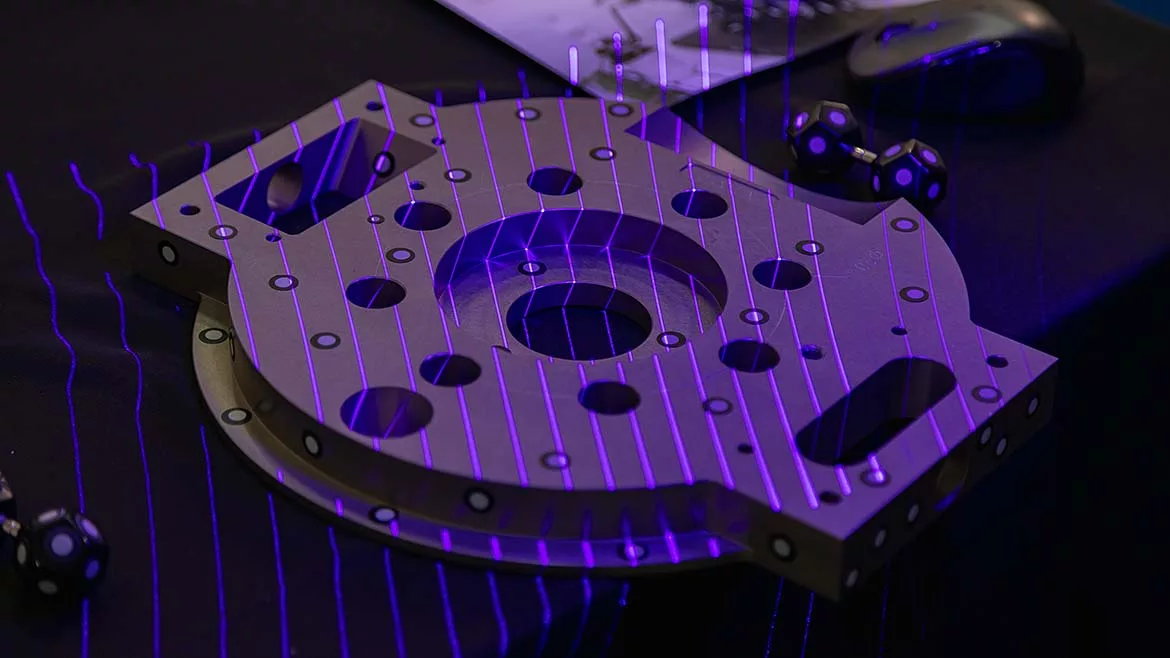
In today’s fast-paced global economy, where supply chains stretch across continents and technology advances at lightning speed, three essential pillars hold up industrial success: quality, manufacturing, and metrology. Together, they form the backbone of modern industry, making sure products are safe, reliable, and competitive worldwide. However, while their importance is widely recognized, bringing together quality management, advanced manufacturing, and precise measurement has become more complex than ever. But with these opportunities also come serious challenges. Adopting advanced technologies demands heavy investment, skilled expertise, and strong cybersecurity protections. For many small and medium-sized enterprises (SMEs), the rapid pace of change raises a tough reality: either adapt and innovate or risk being left behind.
This article examines the interplay of these three pillars, their benefits to modern industry, and the challenges that organizations must confront to thrive in the 21st century. Manufacturing is the process of creating value. Quality is the assurance that the created value meets a defined set of requirements. Metrology, the science of measurement, is the objective, data-driven evidence that those requirements have been met.
Quality as a Strategic Imperative
Quality is the guiding system that shapes and strengthens manufacturing. It’s not just a technical requirement; it’s a strategic advantage and a key driver of competitiveness. At its core, quality is about setting clear requirements, making sure processes can consistently meet them, and continuously improving the entire system. Modern quality management moves beyond catching defects to preventing them before they happen. In a world where customers expect more, regulations are tougher, and competition is fierce, no organization can afford to treat quality as an afterthought. Today, quality goes beyond simply meeting requirements, it’s about customer satisfaction, continuous improvement, and risk-based thinking. Standards like ISO 9001:2015 capture these ideas, encouraging organizations to integrate quality into their strategy, leadership, and daily operations. As a result, quality has shifted from being seen as a cost burden to becoming a powerful value creator, a way to boost efficiency, strengthen brand reputation, and enabling access to international markets.
Manufacturing in the 21st Century
Manufacturing is the heart of creation. The process of turning raw materials into finished products. Its focus has always been on efficiency, speed, and cost-effectiveness. For centuries, manufacturing has driven economic growth, but today the Fourth Industrial Revolution (Industry 4.0) is reshaping it in extraordinary ways. With technologies such as artificial intelligence (AI), robotics, additive manufacturing, and the Internet of Things (IoT), the limits of what manufacturing can achieve are being completely redefined. Manufacturing companies today are no longer just centers of mass production, they are evolving into smart, connected, and data-driven systems. Predictive maintenance helps cut downtime, digital twins replicate entire production lines for testing and optimization, and automation delivers consistency even in highly complex processes. Manufacturers that adopt these tools gain faster time-to-market, more flexibility to customize products, and greater efficiency in how they use resources.
Metrology: The Science of Measurement as an Enabler
Metrology, the science of measurement, provides the objective, quantifiable data that proves whether a product meets its specifications. It serves as the bridge between design intent and the manufactured reality. Metrology ensures that every dimension, weight, force, temperature, or electrical reading is accurate, reliable, and traceable to international standards. Without this measurement confidence, modern industry simply could not function. Metrology makes global interoperability possible, ensuring that parts manufactured in different countries to fit and function perfectly when assembled. This reliability is built on worldwide measurement systems coordinated by organizations like the Bureau International des Poids et Mesures (BIPM), which maintains traceability to the International System of Units (SI). National Metrology Institutes (NMIs) extend this system by offering calibration services that support industrial laboratories. Without this invisible infrastructure, international trade, scientific research, and industrial innovation would simply not hold together.
The Benefits of Integrating Quality, Manufacturing, and Metrology
The interconnection of these three pillars produces transformative benefits such as enhanced competitiveness where companies with robust quality systems, advanced manufacturing practices, and reliable measurement capabilities are more competitive globally. Their products meet international standards, reducing rejection rates and strengthening brand credibility. Modern manufacturing, backed by measurement science, minimizes waste, reduces energy consumption, and ensures compliance with environmental standards. Quality-driven continuous improvement further enhances resource efficiency.
Challenges in Modern Industry
Despite their importance, industries face multiple challenges in integrating quality, manufacturing, and metrology: Cost and resource constraints in implementing advanced quality management systems, investing in Industry 4.0 technologies, and maintaining accredited laboratories require significant capital and expertise. SMEs in particular struggle with these demands. The shift towards adapting to digital transformation, AI-driven quality monitoring, and interconnected manufacturing systems demands a cultural and organizational transformation that many industries are not prepared for.
Conclusion
Quality, manufacturing, and metrology are tightly connected pillars that sustain modern industry. Quality drives assurance and improvement, manufacturing drives innovation, and metrology builds trust through reliable measurements. However, adapting to new technologies while meeting evolving standards is a major challenge, with metrology playing a central role in ensuring trustworthy digital data and calibration. Together, these three pillars shape global trade, safeguard society, and advance industrial progress. To stay competitive in the face of digital transformation, sustainability demands, and global competition, industries must strengthen quality systems, embrace advanced manufacturing, and invest in measurement science.
Looking for a reprint of this article?
From high-res PDFs to custom plaques, order your copy today!