Artificial Intelligence
From Waste to Worth: AI-Powered Recycling Takes Off
Computer vision algorithms and robotic sortation equipment are capable of seeing better than humans while sorting orders of magnitude more material at far lower costs than existing equipment.
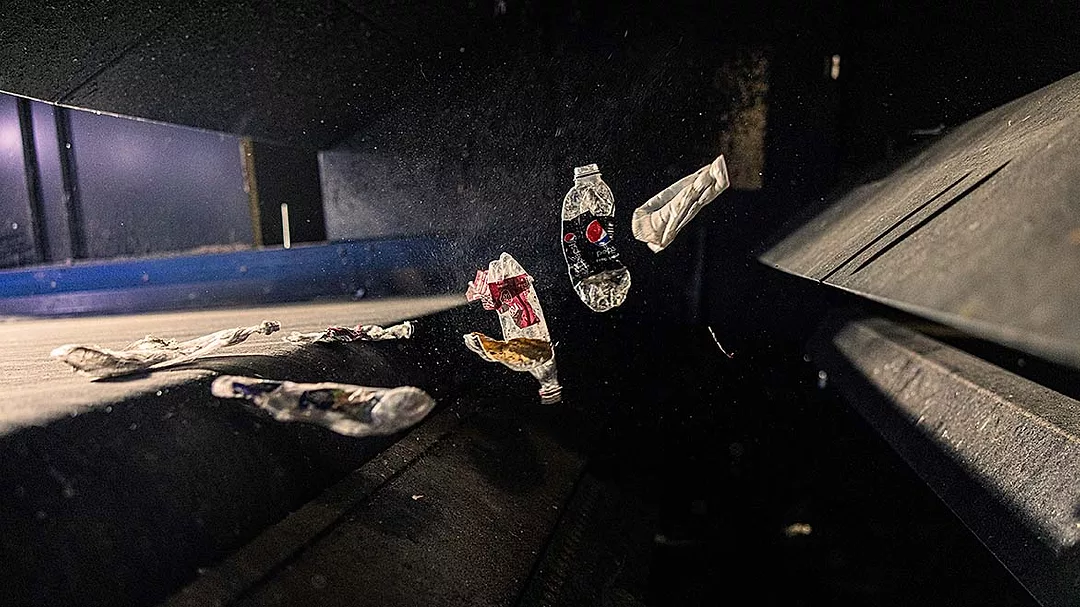
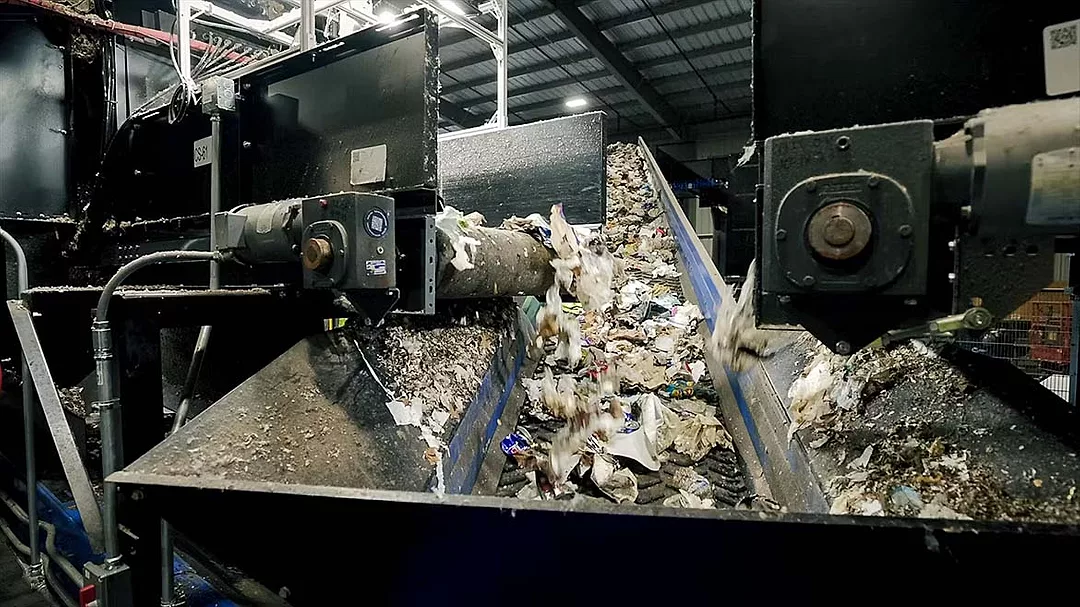
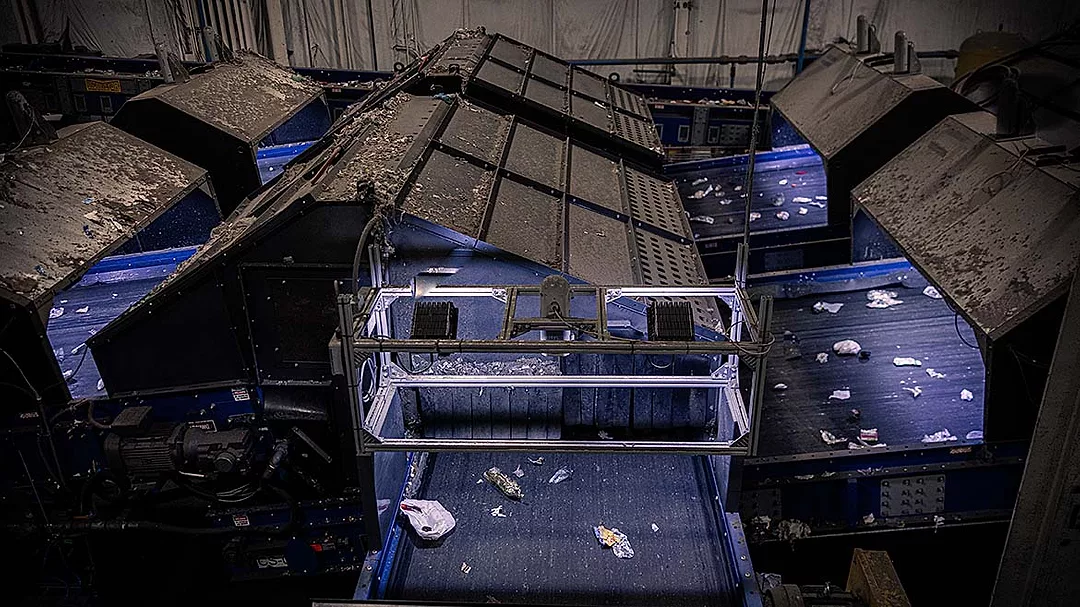
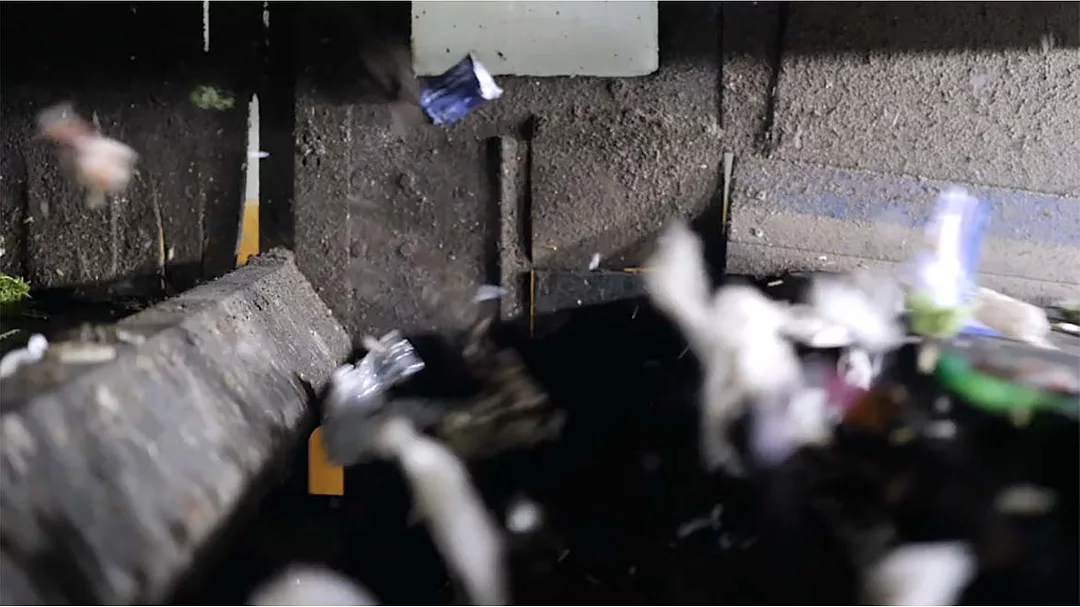
Artificial intelligence (AI) has evolved far beyond a passing buzzword, powering diverse industries with applications ranging from predictive analytics to robotic automation. These modern AI systems excel at processing vast data sets, spotting patterns, and adapting to new information. Recently, Large Language Models (LLMs) have dominated conversations about AI, but while LLM companies invest billions in data centers, industrial applications of AI technology are quietly innovating in challenging operational arenas like recycling. In the realm of material recovery, for example, AI systems are identifying and separating materials with startling accuracy, driving significant gains in both quality and throughput. By using computer-vision and deep-learning algorithms, these technologies detect subtle variations in plastic types, sort items on noisy or dusty conveyor belts, and automate tasks that once demanded intense manual labor. Beyond sorting, AI also optimizes collection logistics, predicts maintenance needs so facilities run smoothly, and monitors waste streams as they are processed, ensuring that the right materials go to the right place at the right time. Viewed through the lens of recycling, AI offers a compelling vision of a future with a circular economy—one in which we recover more materials, send fewer to landfills, and markedly reduce our environmental impact.
Challenges of Real-World Variability
Recycling facilities face enormous variability every day: objects arrive in infinite varieties of kind, shape, and orientation, all zipping through the facility at high speeds on conveyor belts. What’s more, those items may be mixed-material, folded, torn, smashed, or nested under other items. The challenge of recognizing and sorting such a varied mix of material is far from trivial—conventional recycling facilities often rely on a patchwork of machines each dedicated to a specific commodity type. These setups are expensive, inflexible, require frequent maintenance, and still require people or robots to correct sorting errors. Those limitations keep recycling costly and inconsistent. The technical limitations of legacy sortation equipment have restricted the value we can extract from our waste.
AI improvements over the last 10 years offer a solution. Computer vision algorithms and robotic sortation equipment are capable of seeing better than humans while sorting orders of magnitude more material at far lower costs than existing equipment. Low-cost sorting equipment that can generically see and separate materials at high levels of quality completely change how we think about recycling facility design. So, how do they work?
Training AI: From Data to Deployment
Training a neural network to detect recyclables demands not only large volumes of data, but also the right kind of data—data that’s capable of teaching the system to handle real-world messiness. The heart of AI computer vision is the training process: just as a human sorter learns to look beyond surface appearance and assess material type and condition, AI systems build their understanding using vast volumes of labeled image and sensor data. Teams of annotators review thousands of images of items in the waste stream. They categorize material type, shape and condition, and painstakingly assemble datasets with millions of pieces of carefully labeled waste. This data is then fed into machine-learning pipelines to teach computer vision neural networks. Real-world samples from active facilities are continuously added to the database, and the models are retrained to improve performance in high-throughput sorting environments. Operational data—what’s diverted, misclassified, and under what conditions—is fed into the cloud platform, allowing for ongoing refinement of the AI. Once trained, these neural networks are deployed to sortation facilities where they drive pneumatic sortation devices and other robots to separate material at scale.
What it Means to be an AI-First Facility
When AI capabilities are built into a facility from the outset, the entire design can be optimized for the technology. Entire classes of equipment can be replaced with lower-cost, smaller-footprint AI sortation equipment. More efficient conveyor belt layouts are suddenly possible where they were not before. This foundational approach unlocks orders‑of‑magnitude improvements: fewer sorters are needed, manual sorting may be eliminated altogether, and adding shifts becomes easier thanks to automation and lower variable costs.
Once deployed, AI systems don’t just sort material—they also track and report on it. Each piece of sortation equipment is also a high-fidelity sensor, telling operators exactly what is happening in their facility at that sort point. When facilities have dozens of AI-driven cameras throughout their layout, the emergent data about material flows, processing conditions and equipment performance allows the entire facility to be optimized beyond what is possible with legacy technology. Live data reports the quality of material that is sorted and the efficiency of individual pieces of sorting equipment, warns if the facility is running better or worse than last week, and surfaces problems to operators when they are still easy to fix. This all amounts to higher-uptime, higher-yield facilities that can be run with less intervention.
Fully Autonomous Sorting
Next-generation infrastructure—enabled by the latest in AI-powered software and automation—delivers high recovery rates with predictable performance, autonomously processes certain material streams, and improves throughput capacity over the life of the infrastructure, with a design that allows these systems to respond to issues in real time. A comprehensive offering may include operations, maintenance, upgrades, plant‑wide optimization, and even sourcing and selling the recovered material. By operating and maintaining the system, providers can make performance commitments and offer pricing that is tied to quality, providing a value incentive to the waste industry, which encourages increasingly higher efficiency as players compete to have better facilities. Today, these improvements have already made automated material recovery rates above 90% possible.
Expanding the Circular Economy: Mixed Waste and Broader Access
To move the industry forward, we need technology that’s resilient to contamination and can more easily go after dirtier material streams. Mixed waste sorting and its resultant diversion helps extend the life of landfills, reduces their environmental impact, and keeps transportation and disposal costs low. Even where recycling programs exist, about three-quarters of recyclable material still winds up in the trash. With municipal solid waste volumes expected to grow by 70% by 2050, this problem will only compound.
AI-driven systems that separate commodities and organics directly from mixed waste can change that trajectory. These technologies hold fewer labor demands while enabling higher reliability, tighter quality control, and the ability to divert more than half of landfill-bound waste into reusable products at costs often lower than landfill hauling. They’re also improving safety, consistency, and handling of dirty waste streams—bringing a level of performance into the realm of the possible.
Innovative sortation is helping to create a new model for recycling—one that makes recycling not only possible, but safe and economical, even where consumers may lack curbside access. More broadly, the application of AI-driven operations into industrial processing applications like recycling represent very real examples where AI technologies deliver true market efficiencies that were impossible with yesterday’s technology. Industrial improvements are always less flashy than consumer applications, but the scale and omnipresence of industrial infrastructure presents massive opportunities for technology-driven solutions to some of our thorniest problems.
Looking for a reprint of this article?
From high-res PDFs to custom plaques, order your copy today!