Materials
Considerations for Transitioning to Mixed-Metal PVC Stabilizers
Customers should look for a trusted additive supplier with a rigorous quality control process, a robust supply chain to weather potential market changes and raw material constraints, and deep technical and regulatory expertise.
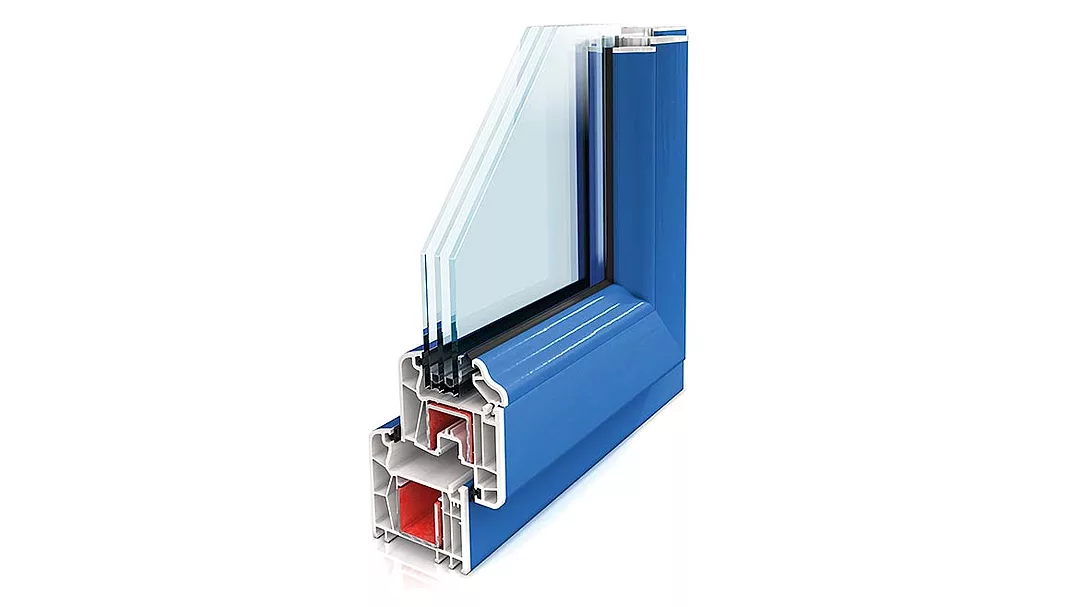
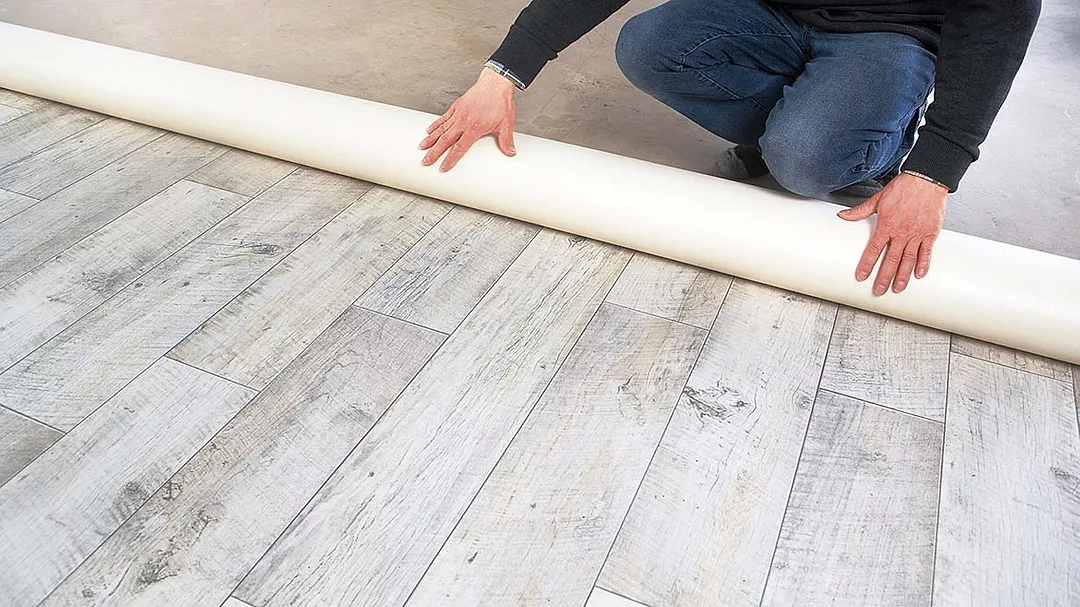
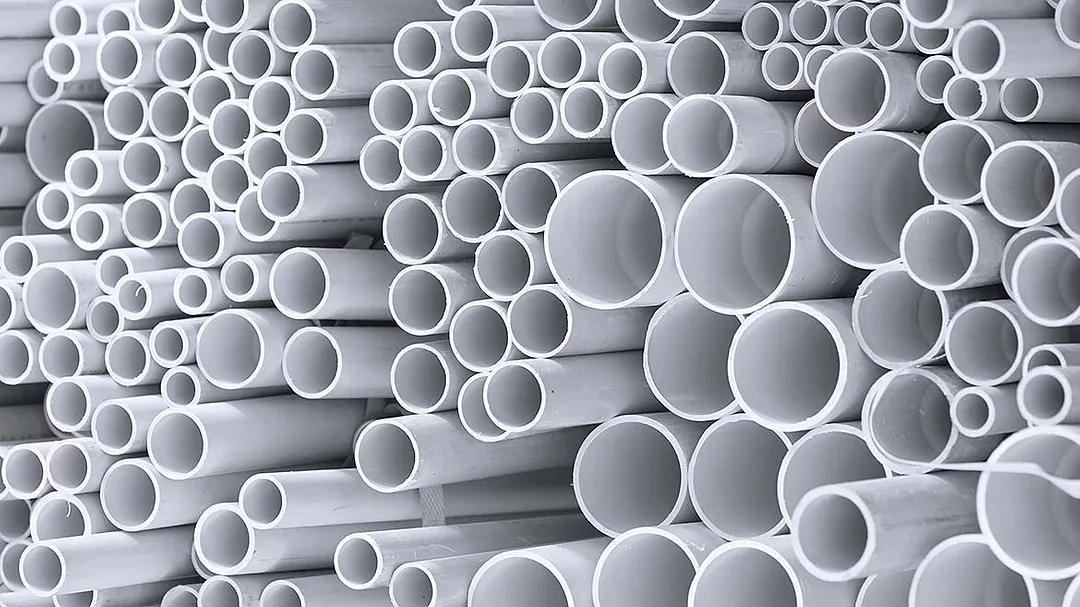
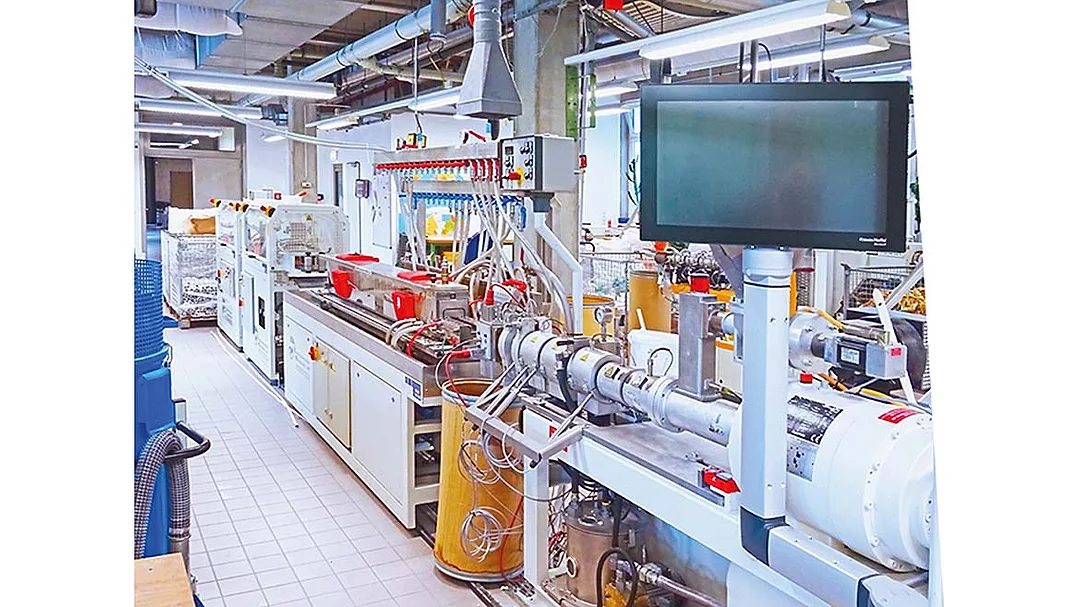
Tin-based heat stabilizers have long been the gold standard in North America for processing rigid and semi-rigid polyvinyl chloride (PVC) applications such as profiles, siding, and pipes. But today, newer stabilization technology based on mixed metals is replacing traditional additives based on tin, which is facing environmental and toxicity concerns, increasing demand, supply constraints, and price volatility.
(In Europe, where lead-based stabilizers were the norm, the industry has already converted to mixed-metal additives to comply with stringent regulations such as the Registration, Evaluation, Authorisation and Restriction of Chemicals (REACH) directive. Asia is also moving away from lead-based additives.)
Mixed-metal stabilizers, which include calcium-zinc (Ca-Zn), barium-zinc (Ba-Zn) and magnesium-zinc (Mg-Zn) solutions, offer important advantages. Compared to tin-based stabilizers, they are non-toxic to people and the environment; their raw materials are readily available; and in general, they are less prone to price fluctuations.
However, transitioning from tin-based to mixed metal stabilizers requires consideration of factors affecting the choice of chemistry and form factor, loading levels, incorporation of other additives such as lubricants, dosing methods and processing parameters. This article offers practical guidance for a successful move to mixed-metal heat stabilizers.
Stabilization for Quality and Performance
Heat and shear are the enemy in PVC processing. When unstabilized PVC resin is exposed to temperatures above 160°C to lower its viscosity during processes like extrusion, injection molding and calendaring, this heat-sensitive polymer begins to degrade. Thermal degradation releases hydrogen chloride (HCl) from the polymer chain, triggering further chemical reactions that can weaken the material and cause brittleness, discoloration and surface defects.
Heat stabilizers protect PVC from thermal degradation during processing and ensure that the material and its end products maintain strength, color, surface quality and long-term durability.
Tin-based stabilization has long been the leading technology in the United States and Canada, thanks to its high thermal stability, weatherability and transparency. However, these additives –primarily organic tins like methyltins and butyltins – pose environmental risks including toxicity for aquatic plants and animals. They also raise worker health and safety concerns. Voluntary guidelines, such as the Guideline for the Management of Tin Stabilizers in Canada, have been developed to help prevent the release of these stabilizers into the environment.
To address these issues, the PVC industry is turning to newer alternatives. Mixed-metal heat stabilizers, which avoid heavy metals, are non-toxic and comply with key regulations such as the Restriction of Hazardous Substances (RoHS) and REACH directives. They generally perform as well as tin-based products in preventing thermal degradation and offer some advantages over tin, as well.
Choosing the Right Mixed-metal Heat Stabilizer.
When selecting a heat stabilizer to replace tin-based products, PVC manufacturers need to consider chemistry and format.
- Calcium-zinc heat stabilizers are appropriate for both rigid and flexible PVC applications. They offer good initial color and long-term heat stability, along with good printability, improved weatherability and aging resistance. They are compatible with all types of PVC, as well as common fillers and pigments. These systems typically incorporate organic co-stabilizers and processing aids to optimize performance and processing behavior.
- Barium-zinc heat stabilizers, often supplied as a liquid, provide excellent thermal stability for demanding processing conditions. These stabilizers can prevent discoloration during processing and feature excellent UV resistance for outdoor applications. However, as a heavy metal, barium faces regulatory restrictions.
- Magnesium-zinc heat stabilizers are often used together with Ca-Zn stabilizers or to partially replace traditional systems to enhance long-term thermal stability and weatherability.
When it comes to the format of heat stabilizers, the first decision involves liquids vs. solids. Liquid mixed-metal stabilizers provide superior dispersion and transparency and enable rapid blending for flexible PVC and calendered films. However, they may emit volatile organic compounds (VOCs) during high-temperature processing.
Solid mixed-metal stabilizers are preferred for rigid PVC pipes and profiles. Compared to liquids, they offer higher heat resistance and longer shelf life. These forms do not emit VOCs and are hydrolytically stable.
Within the solid category, manufacturers can choose from several formats. Powder is the most economical; however, it can create dust and flowability issues. Other forms eliminate dust and can enable flowability while allowing easy dispersion.
- Powders
- Small particles with a large active surface area
- Rapid dispersion
- Medium bulk density
- Flakes
- Dust free for safety and cleanliness
- Free flowing
- Good mixability
- Granules/Prills
- Free flowing
- Robust handling characteristics
- High feeding accuracy
- Good dispersion
- Low dust
- Pastilles
- Dust free for safety and hygiene
- Free flowing
Making Formulation, Dosing, and Processing Adjustments
The next area for consideration involves changes in loadings of the stabilizer and other additives from tin-based stabilizers.
Tin-based stabilizers are used at 25 to 50 percent of the loading needed for mixed-metal stabilizers. While usually less expensive than tin-based products, Ca-Zn stabilizers must be used at loadings of between 1.5 to 3.0 phr., depending on the application. These higher loadings can raise total use costs for Ca-Zn products.
On the other hand, the need for lubrication declines with Ca-Zn systems, which are self-lubricating. Tin-based stabilizers impart little or no lubrication. This difference requires changing the blend of external lubricants for release and internal lubricants for flow. It can be difficult to find the right blend to achieve processing equilibrium.
In addition to lubricants, other PVC formulation components, such as processing aids and impact modifiers, can provide potential synergistic or antagonistic effects with mixed-metal stabilizers. Some combinations can enhance stabilizer effectiveness, while others may compromise performance or create processing issues.
One potential risk posed by mixed-metal stabilizers containing zinc is called zinc burning. This phenomenon can occur when zinc soaps used in the stabilizer react with unstable chlorine in the PVC polymer and with HCl generated during heating. This chlorine is converted to zinc chloride, a strong Lewis acid that can cause catastrophic degradation and cross-linking at high concentrations. To prevent zinc burning, mixed-metal stabilizers contain calcium soap to convert the zinc back into a soap, along with acid scavengers.
Stabilizer effectiveness relies on precise dosing and uniform dispersion. For example, because tin stabilizers are used at much lower loadings than mixed-metal stabilizers, as noted above, dosing variations have a larger effect with tin-based products. On the other hand, mixed-metal products have much lower levels of lubricants, making their dosing more critical than with tin systems. Careful dosing is still important after transitioning to a new mixed-metal stabilization chemistry.
Combining the stabilizer with lubricants and other additives in a single pack, a format offered by some leading suppliers, can help eliminate dosing variability and minimize weighing errors. Also, these combined additive packs can help avoid uneven dispersion that results from introducing additives in sequence.
In the area of processing, different stabilizer systems have varying activation temperatures and thermal stability windows, which influence their effectiveness under specific processing conditions. For optimal results, PVC processors must align the stabilizer’s thermal characteristics with their equipment and processing parameters.
For instance, high-temperature processing may require specialized stabilizer formulations designed for extreme thermal stress. Low-temperature processing can use stabilizers with enhanced activation at moderate temperatures.
Customizing PVC Stabilizers
In view of the formulation and processing adjustments that may be needed when replacing tin-based with mixed-metal stabilizers, working with additive suppliers that offer customization capabilities can deliver high-precision results. Customization includes not only modifying the stabilizer itself, but as mentioned above, combining it in a single pack with an array of other compatible additives based on resin type, application requirements, and processing method and equipment. This approach can simplify and standardize the incorporation of PVC additives.
Customization services typically involve consultations with the customer, development of possible formulations, lab testing and further modifications, if needed.
Conclusion
In the face of tightening global regulation of heavy metals such as tin and lead, the PVC industry in North America is following European and Asian counterparts by migrating to non-toxic heat stabilizers, mainly mixed-metal products. In particular, calcium-zinc systems have gained market share as environmentally protective alternatives that also deliver excellent thermal, color and aging stability in semi-rigid and rigid PVC applications.
Successfully switching to mixed-metal stabilizers involves a number of adaptations. To simplify this change, many PVC manufacturers are turning to additive suppliers with deep experience in mixed‑metal systems, for assistance with customized stabilizers and pre-packaged combinations of stabilizers and other additives that have been lab tested for compatibility, performance and processability.
Customers should look for a trusted additive supplier with a rigorous quality control process, a robust supply chain to weather potential market changes and raw material constraints, and deep technical and regulatory expertise in PVC systems.
Looking for a reprint of this article?
From high-res PDFs to custom plaques, order your copy today!