Electronics
A Quality Foundation for the AI Data Center Era: A Five-Step Framework for Sustainable Scale
This “NVIDIA speed” of innovation dictates that quality is now as much about velocity as it is about reliability.
Industrial electrical connector shown alongside its X-ray model.
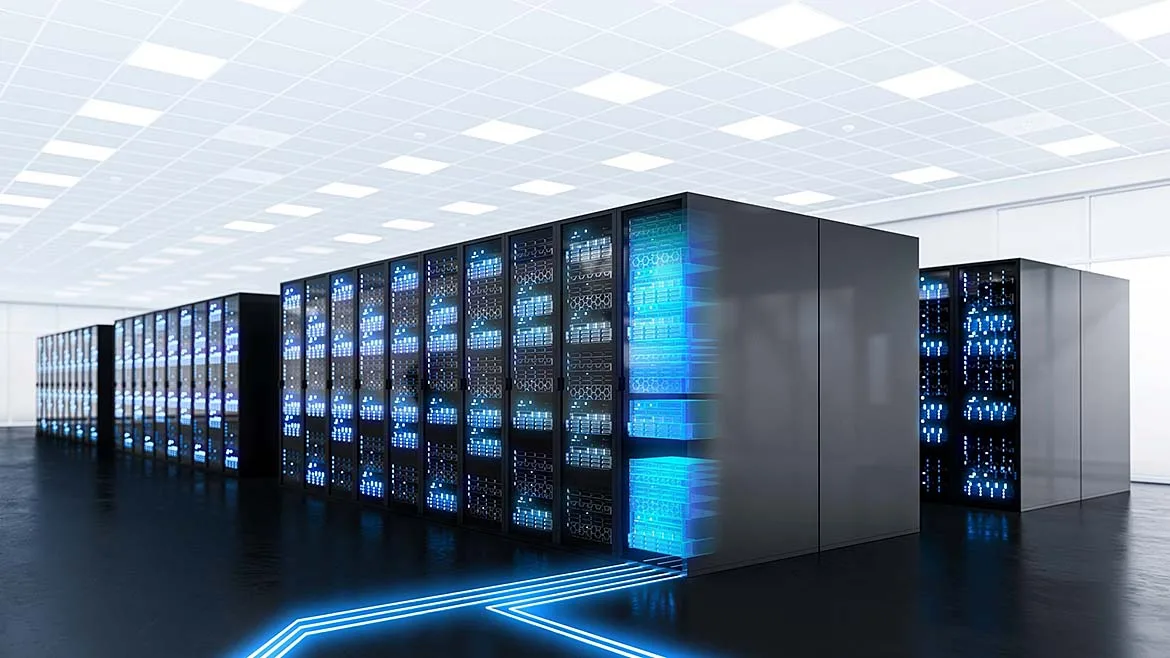
The data center industry is at a pivotal inflection point. As artificial intelligence (AI) workloads increase demand, worldwide data centers are expected to consume about 980 terawatt-hours (TWh) of electricity by 2030, more than double the 448 TWh used in 2025 [1], according to Gartner. The specialized power and cooling upgrades required to support this electricity, along with the necessary AI hardware, can increase the cost of building an AI-focused data center by five to six times that of a traditional facility [2][3]. With significant capital expenditure at stake, the true cost of inconsistent quality has shifted from a minor inefficiency to a major financial risk.
Yet, the industry’s quality assurance practices remain highly fragmented across suppliers, components, and regions, even as data center infrastructure becomes denser, more power-intensive, and more interdependent. History suggests that when technology sectors reach such complexity, growth often outpaces any shared understanding of quality. In the case of data centers, the industry cannot safely or efficiently scale if it continues operating without a standardized set of quality best practices. Now is the time to establish a common quality foundation for data centers to scale sustainably.
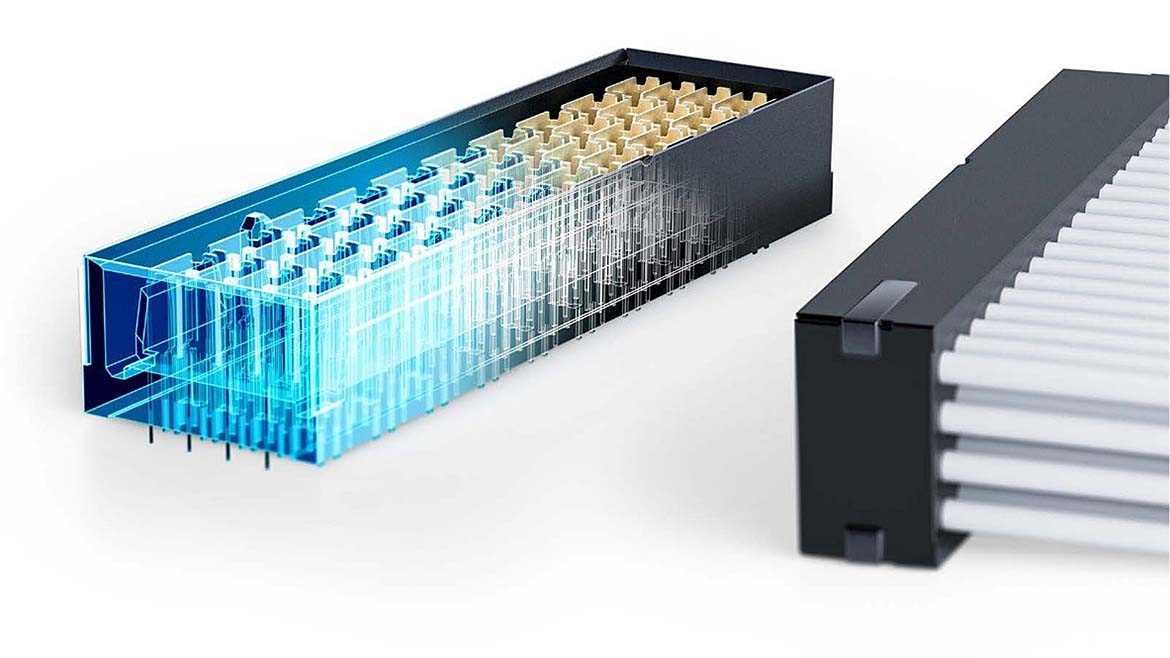
Connectors: Standardized quality practices can help prevent issues that can occur at interfaces and integration points. Source: ZEISS Industrial Quality Solutions
The Hidden Risk of Fragmented Quality in a Hyperconnected System
Hyperconnected data centers integrate servers, networking, power equipment, and cooling systems into one tightly coupled ecosystem. Failures rarely stem from a single component; instead, they often occur at interfaces and integration points where different subsystems meet. A misaligned power module or a below-spec cooling plate, for example, can create a cascade of performance problems that impact the entire system. These challenges include solder ball defects, bonding pad issues, and internal chip defects in optical modules, whereas in PCBs and servers, internal delamination, flatness issues, and misalignment in chassis, racks, and cooling plates occur.
AI-oriented data centers add to the challenge by incorporating co-packaged optics (CPO), ultra-high-speed interconnects, high-layer-count printed circuit boards (PCBs) and liquid-cooled architectures to advanced thermal management and liquid cooling, introducing stricter reliability expectations across all components [4]. Without standardized quality practices, subtle flaws at an interface are more likely to lead to widespread issues. Fragmented quality practices multiply risk, qualification efforts, operational uncertainty, and long-term costs in a hyperconnected data center.
Why Industry Growth Demands a Shared Quality Mindset
The annual cadence of new AI platforms and upgrades is compressing design and manufacturing cycles. This “NVIDIA speed” of innovation dictates that quality is now as much about velocity as it is about reliability. A shared quality framework is required to react to the market rhythm by iterating quickly, efficiently, and confidently, without deviating from that set of standards.
Mature industries eventually develop common expectations, shared metrics, and comparable benchmarks for quality. While this doesn’t mean every company must follow identical procedures, alignment of core principles supports compatibility and trust. Experience from other complex sectors shows that quality maturity accelerates when organizations adopt a framework approach, even before formal standards emerge. Embracing a collective quality mindset ensures that as data centers grow rapidly, the entire ecosystem advances efficiently and responsively.
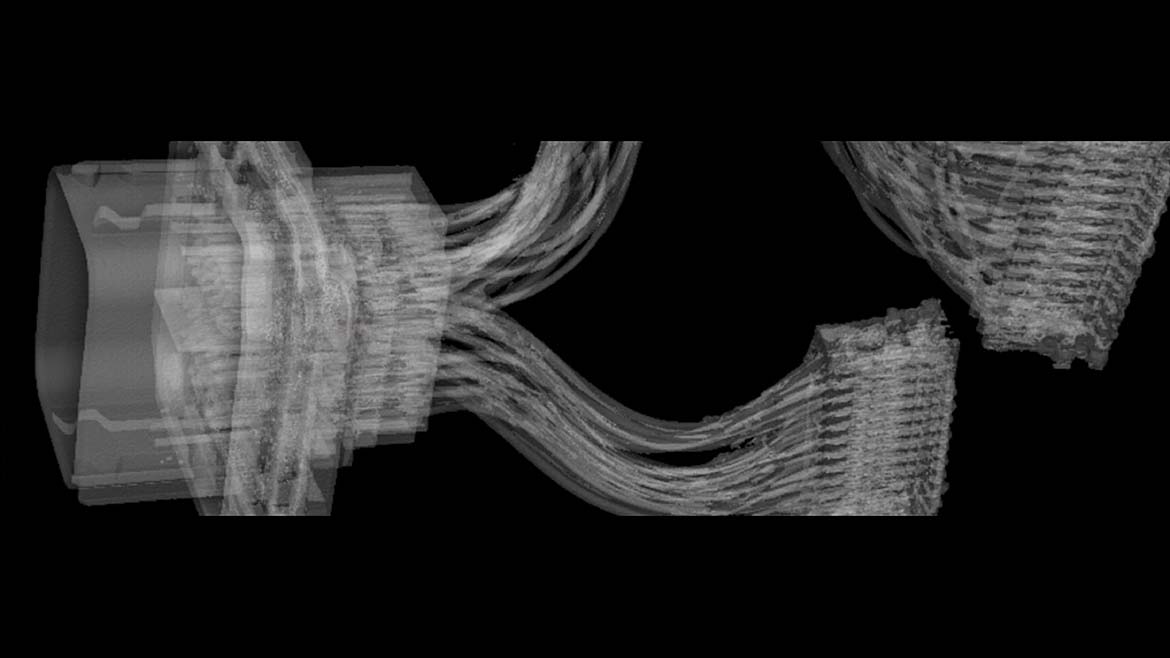
NDT connectors: Nondestructive testing (NDT) technologies offer a method of gaining full visibility into each part’s integrity without sacrificing components for quality validation. Source: ZEISS Industrial Quality Solutions
A Practical Five-Step Quality Framework for Data Center Manufacturing
To support alignment without waiting for formal standards, here is a pragmatic five-step quality framework for data center manufacturing. Each step addresses a key gap and offers a pathway toward better-coordinated quality assurance:
Step 1: Design with the Entire System in Mind
Quality starts at the design stage. Every component should be evaluated within the larger data center system, not in isolation. Early design alignment on how components will fit and interact helps reduce variability and ensures mechanical and electrical interfaces meet shared criteria. For instance, if a server rack’s dimensions or flatness are even slightly out of tolerance, servers might not fit correctly or cooling efficiency might drop. By proactively designing to meet common quality standards, such integration issues can be avoided, setting the stage for reliable scaling.
Step 2: Establish Common Quality Signals Across Components
In practice, different specialties use different quality measures. This lack of comparability makes it difficult to communicate and trust results across suppliers or disciplines. Align on a core set of shared quality signals and agree upon metrics and inspection criteria that define the gold standard for critical attributes. When all parties measure key characteristics (such as dimensional precision or thermal performance) with comparable accuracy, supplier qualification accelerates, and integration is smoother. Shared quality signals create a common language that improves communication between teams and partners and reduces gaps at component boundaries.
Step 3: Use Nondestructive Insight to Preserve Yield and Confidence
Across AI server manufacturing from PCB and optical modules to cooling systems and final rack assembly, the ability to visualize hidden defects, verify interfaces, and correlate data across sites is becoming a defining factor of scalable quality. Data center equipment is too valuable and complex to rely on destructive testing that damages or destroys parts. Nondestructive testing (NDT) technologies offer a method of gaining full visibility into each product’s integrity without sacrificing components for quality validation. Non-contact techniques such as industrial CT scanning, X-ray microscopy, and 3D scanning reveal hidden flaws (voids, warping, micro-cracks) nondestructively. The resulting visual data provides the fast, comprehensive insight needed to speed up production while remaining confident that every component installed in the data center will perform reliably at the chip-level (µm defects), module-level (assembly defects), and system-level (dimensional and thermal interfaces).
Step 4: Connect Quality Data Across the Lifecycle
Siloed information presents another barrier to unified quality. From design verification through component manufacturing, assembly, and operation, quality data is generated at every stage but is often not shared across them. A true quality foundation requires linking these data streams into a continuous digital thread that follows each component from design validation through production QC, failure analysis (FA) loops and into deployment.
When quality data is connected across the lifecycle, everyone can benefit from end-to-end traceability, making it easier to pinpoint root causes and collaborate with suppliers on improvements. Sharing those quality insights among stakeholders improves transparency and joint accountability, helping prevent defects because all parties understand how their work impacts the final system.
Step 5: Scale Quality with Sustainability in Mind
At scale, quality and sustainability go hand in hand. Rigorous quality practices reduce material and energy waste by minimizing rework, scrap, and production inefficiencies. High-precision manufacturing ensures components (such as cooling systems or power modules) operate at peak efficiency with minimal losses. Conversely, poor-quality parts often lead to higher energy consumption and premature failures, increasing waste and downtime. By embedding sustainability considerations into quality standards, the industry can boost reliability and energy efficiency in tandem. Ultimately, aligning on quality becomes a direct investment in sustainability, supporting both operational resilience and reduced environmental impact.
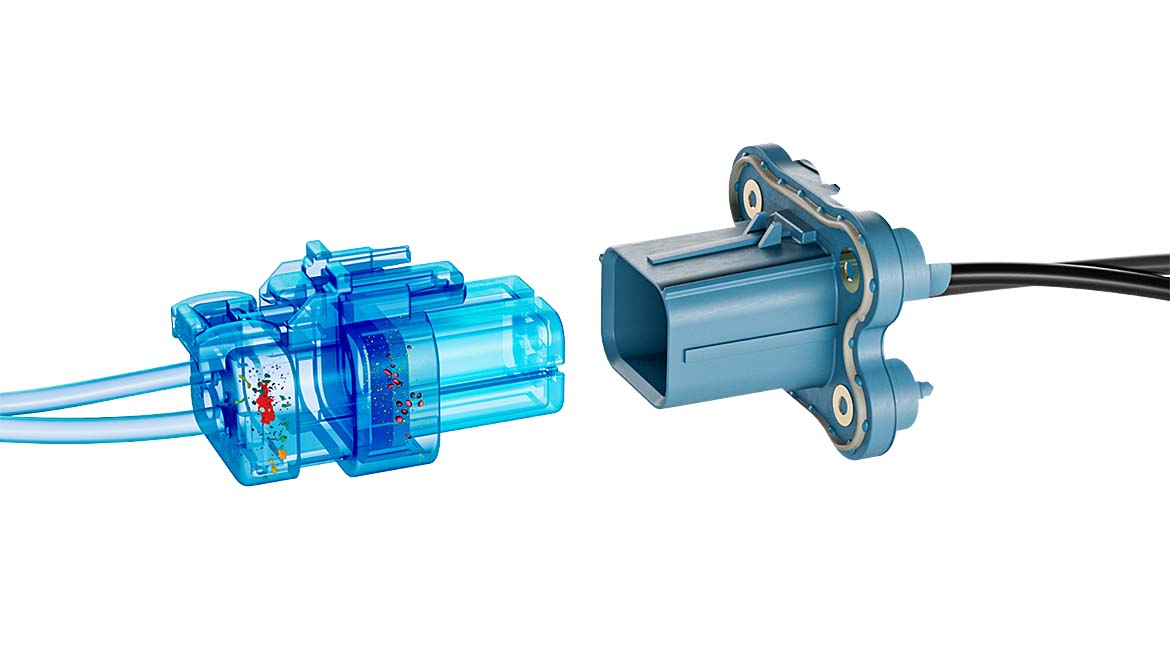
Connectors 2: Early design alignment on how components will fit and interact helps reduce variability and ensures mechanical and electrical interfaces meet shared criteria. Source: ZEISS Industrial Quality Solutions
Industry-Wide Quality Improvements
Aligning on a shared quality foundation will bring the data center industry transformative advantages. With common quality expectations clarified, supplier qualification becomes faster and more efficient because everyone meets a known baseline, and fewer duplicate audits are needed. At scale, performance and reliability across different sites become more predictable and consistent, reducing unexpected downtime and regional variability. Collaboration strengthens across regions and partners by removing friction in how quality is communicated and understood. In effect, this alignment reduces barriers to innovation and growth: the industry can focus on delivering more computing power and sustainable capacity instead of spending time reconciling conflicting quality standards.
Building Alignment Before It Is Required
The data center industry is entering a phase where quality is a strategic advantage. Formal standards and frameworks will likely evolve in time, but true leadership begins with proactive, collective intent. Organizations can start building shared quality principles today, rather than waiting for mandates. This approach is informed by decades of cross-industry experience guiding similar technology transitions: early movers in quality convergence reliably gain an edge and help set the standards for others. Those who build a quality foundation today will shape how the data center industry scales tomorrow.
References:
- Gartner (2025). Gartner Says Electricity Demand for Data Centers to Double by 2030 (Press Release, Nov 17, 2025).
- JLL & Allianz (2024). Average Data Center Construction Cost Estimates – figures cited in Motley Fool (Mar 12, 2026).
- Alpha Matica (2025). Economic Fundamentals of a 100 MW Data Center – industry analysis updated with 2025 data.
- McKinsey & Co. (2026). The $7 Trillion Data Center Build-Out – industry article, Mar 27, 2026.
Looking for a reprint of this article?
From high-res PDFs to custom plaques, order your copy today!