Articles Tagged with ''robotics''

Test & Inspection
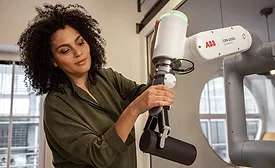
Using Robotics and Automated Inspection in Manufacturing to Achieve Autonomous Process Control
Transforming manufacturing with autonomous process control
Read More
Measurement
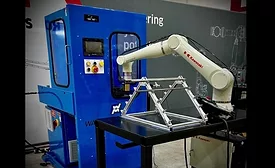
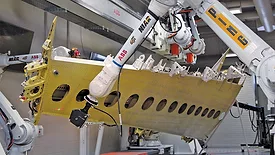
Integrated Metrology: The Next Frontier in Manufacturing
Imagine a manufacturing cell where robots and machines work in concert, assembling complex products with precision.
Read More

Vision & Sensors | Cobots
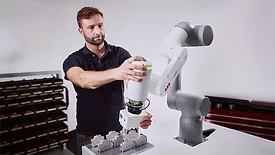
Collaborative Robots Emerge as Viable Automation Options for SMEs
Benefits and key steps for a successful system design and installation
Read More

Case Study
Creative Cobot Use Simplifies Product Testing
As the technology has progressed, many companies have discovered ways to reap the benefits of modern cobots beyond manufacturing and assembly operations.
Read More

Case Study
Remote Robot Monitoring & Control Slashes Downtime Costs
A new approach to remote robot monitoring and error recovery helps companies restart production faster in cases of unplanned robot downtime.
Read More
Vision & Sensors | Automation
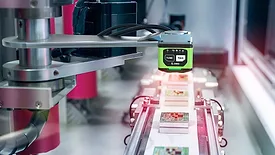
Augmenting Your Workforce: Three Opportunities to Leverage Technology to Automate Repetitive Tasks
As with any good engineering approach to problem-solving, we can divide the manufacturing labor challenge into parts.
Read More