The "3-Legged 5 Why" is a root cause analysis method that extends the traditional 5 Whys by investigating three separate "legs" or inquiry lines for a more thorough understanding. Here’s how it works.
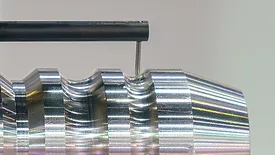
With ISO 21920 bringing a myriad of changes for metrology professionals, it is critical that all elements of the standard are understood for accurate measurements.
ISO 21920 introduces many changes for quality inspectors, engineers, and metrology professionals, requiring understanding of all standard elements for accurate measurements. The sections in the article highlight key parts and their practical measurement applications.
Lean teaches us the importance of delivering value to the customer and emphasizes that companies must recognize their quality deliverables don’t end after the sales transaction is complete. In Lean, we define value from the customer’s perspective.
I have learned that quality is meeting and/or exceeding customer requirements and doing things right the first time. Customer corrective action is an example of poor quality, losing customer satisfaction, and profit. The blame game is the opposite of accountability. Accountability is taking ownership of the results.
This article reviews the role, necessity, and format of education and training for quality professionals, offering insights for their professional development and decision-making.
From the streets of Jersey City to the Navy to nondestructive testing and his own company, Joe Sorrentino of Lean Quality Systems, passes along the knowledge of what he has excelled at−quality assurance, leadership, and management training. Joe sat down with Michelle Bangert to talk about, in part, his latest article for Quality.
There are record levels of uncertainty today, but Taylor St. Germain of ITR Economics says strong growth is ahead. He says manufacturers should follow the data—not just the headlines—and be prepared for growth for the next few years. Listen for his advice and insights regarding rising costs, labor challenges, and tariffs.
This article explains how a Quality leader can establish external requirements by defining products in a specific region, using medical devices as an example based on FDA regulation Section 201(h) and the 513g Request process. Following this prevents wasting time, funds, and resources on incorrect regulatory assumptions.
 RSS
RSS