 RSS
RSS

Quality Top Stories

Medical
Quality and Visibility as a Service in Medical Contract Manufacturing
For years, standalone quality management system (QMS) software has been at the heart of quality assurance programs. But that’s changing.
Read More

Management
AI Driven Shop Floor Excellence: The Next Frontier in Quality 4.0
What does it take to succeed in the quality excellence journey? Frontrunners focus on these three elements.
Read More
Measurement
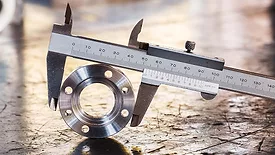
Understanding the Functions of Measurement Traceability for Coordinating Metrological Confirmation
Establishing that a reference standard accuracy is traceable to a higher standard gives credibility to the calibration performed.
Read More

Measurement
When Cybersecurity Becomes a Quality Issue
Protecting measurement integrity and process control from nation-state threats.
Read More
Measurement
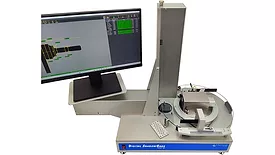
Continuous Improvement and Development of Video Metrology Systems
Meeting modern inspection demands
Read More
Measurement
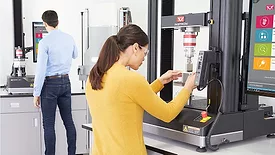
Why It’s Time to Move Quality Data from Files to Databases
The era of managing quality data through spreadsheets and shared folders is coming to a close.
Read More
Test & Inspection
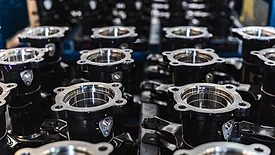
Misused & Misunderstood: Common GD&T and Datum Pitfalls on Engineering Prints
Whether you’re new to GD&T or a seasoned pro, identifying these issues early can improve communication, streamline inspection, and ultimately result in better parts.
Read More

Measurement
Empowering Maintenance Teams with Calibration Competency
To make in-house calibration successful, it’s critical to approach it the same way as any other quality process.
Read More

Management
Who Invented Quality?
When I started working in the automotive industry, the quality department had an army of people, mostly tasked to inspect products all day long.
Read More