Measurement
Empowering Maintenance Teams with Calibration Competency
To make in-house calibration successful, it’s critical to approach it the same way as any other quality process.
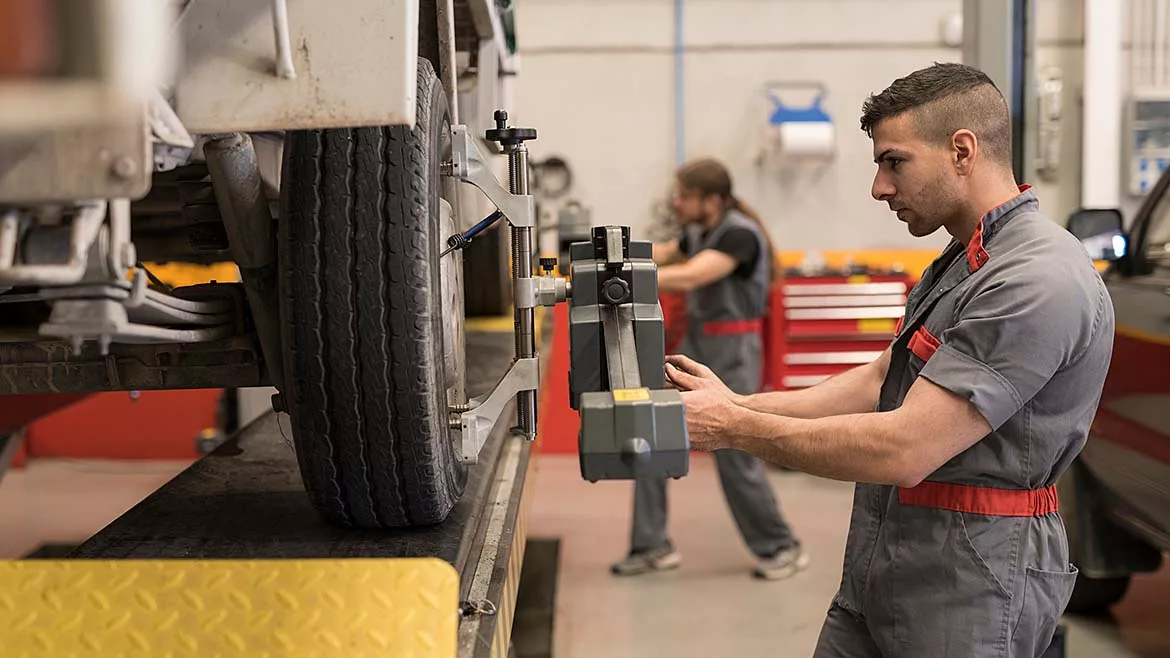
As industrial facilities increasingly rely on precision instruments, a notable shift is occurring in workplace responsibilities. Facility maintenance technicians, roles traditionally focused on tasks such as mechanical upkeep, repairs, and basic electric work, are being tasked with expanding their skill sets to include calibrating instruments such as temperature probes and pressure gages.
With this shift, facility maintenance technicians are becoming integral parts of the product quality team. Instead of simply fixing a machine and moving on to the next task, technicians have even more responsibility added to their plates as they take a major role in the accuracy of measurements taken and the resulting product quality. Although these technicians possess valuable practical knowledge, they often lack formal calibration training and knowledge of metrology practices.
Companies that want their maintenance teams to succeed in these expanded roles need to provide their teams with more than just additional responsibilities. They need to invest in training, ongoing calibration support, and user-friendly calibration tools.
The ease of use of calibration equipment plays a pivotal role in bridging the knowledge gap as teams learn to perform these added tasks. However, even user-friendly tools demand a foundational understanding of calibration principles to ensure accurate results and maintain compliance standards. This evolution in role expectations highlights an urgent need for comprehensive, accessible training programs tailored to non-specialist users.
The shift to in-house calibration
Even the best tools experience drift over time. Industrial environments subject tools to extreme temperatures, dust, drops, and other factors that can accelerate drift, making regular calibration a vital practice. Despite these factors, organizations often did not prioritize instrument calibration, performing it only irregularly if it was done at all. But over the past several years, organizations have begun placing a greater emphasis on the accuracy and efficiency of readings, and calibration is being built into workflows to ensure it is completed regularly with precise documentation.
High-performance, compliance-heavy industries are driving this shift as they face increased scrutiny from consumers and audits from organizations ranging from the FDA to the FAA. In industries such as food and beverage, oil and gas, pharmaceuticals, and aerospace, manufacturers can’t afford missteps in measurements or instrument calibration. Brand reputation, costly recalls, and lawsuits are on the line when product quality is impacted by incorrect measurements.
Additionally, manufacturers are increasingly being asked to do more with less. The industry-wide skilled labor shortage, combined with rising pressure to cut costs, makes in-house calibration a practical solution for maintaining tools such as probes, temperature gages, and pressure gages.
The benefits of in-house calibration
While it requires some upfront investment in calibration tools and continuing investments in education, many teams have found that the benefits of in-house calibration far outweigh the costs.
Outside calibration may require waiting for delivery or schedule openings, causing unnecessary delays and potentially jeopardizing audit compliance. And even if companies outsource their calibration, they still need to perform administrative tasks such as documenting the calibration to maintain an audit trail.
Performing calibration in-house enables teams to perform calibrations on their own internal schedule and control the documentation and processes. It has the added benefit of enabling teams to perform calibration when unexpected problems occur, such as when an instrument is dropped or is suspected of being outside of specifications.
Training your team to perform in-house calibration doesn’t just save time and money. In the face of an industry-wide decline in technical knowledge, it also builds a workforce that understands metrology principles and develops a deeper awareness of measurement accuracy. With this added technical knowledge, technicians become more mindful about calibration practices and are better equipped to maintain quality and reliability across their broader responsibilities.
Equipping your team for calibration competency
To realize these benefits, organizations must equip their teams with the knowledge and tools necessary to perform calibration with confidence and accuracy. Technicians need a solid understanding of metrology principles, including understanding how measurements work, which parameters they’re responsible for, and how to interpret and apply measurement modalities correctly. This foundational knowledge helps them not only execute calibrations, but also recognize when equipment is drifting or when deeper investigation is needed.
Companies can support this capability by investing in ongoing training. This can include webinars, on-demand courses, or hands-on, in-person sessions, whatever fits best with the team’s needs and schedules. Importantly, like calibration itself, training should not be a one-time event. New tools, technologies, and standards emerge regularly, and keeping technicians up to date ensures both quality and compliance. At a minimum, calibration training should be refreshed annually.
For organizations with limited resources, it may not be necessary to train every technician on calibration principles right away. Instead, prioritize the most complex operations or most critical systems, and focus on getting one or two key team members trained first. This approach balances day-to-day workload with the long-term benefits of building internal expertise.
How to select calibration tools
In addition to training your team, one of the most critical factors for building a successful calibration program is selecting tools that are intuitive and easy to use. These reduce the chance of operator error, build technician confidence, and ensure that calibration becomes a seamless part of daily workflows.
There should be no trade-off between simplicity and performance. Accuracy and compliance must remain the top priorities, and the best tools are those that deliver both, offering reliable, standards-based calibration results without requiring extensive setup or specialized expertise.
When evaluating calibration tools, look for options that:
- Integrate with existing systems such as your CMMS or asset management software, allowing calibration data to be stored, tracked, and retrieved easily.
- Offer a user-friendly interface and experience so technicians of all experience levels can use them effectively.
- Automate repetitive tasks, like data capture and documentation, reducing manual entry and minimizing the risk of missed steps or recording errors.
Choosing tools designed with the user in mind allows companies to improve consistency, reduce training time, and help maintenance teams focus on ensuring that equipment stays within specifications and that operations run smoothly.
Creating a culture of calibration
To make in-house calibration successful, it’s critical to approach it the same way as any other quality process. That starts with ensuring technicians know what they’re measuring and understand both the equipment being calibrated and the calibration tools themselves. A trained technician is far more likely to catch subtle issues, document results accurately, and follow best practices consistently.
These practices foster a culture of calibration, a mindset that views calibration as a proactive, essential process that’s incorporated into everyday workflows throughout your organization. When calibration is planned, prioritized, and valued across the organization, it’s far easier to maintain the high standards required in industries like pharmaceuticals, aerospace, food and beverage, and oil and gas.
As technology and quality expectations evolve, calibration is quickly becoming a standard responsibility for maintenance professionals. This shift brings technicians into the quality process by creating a more holistic approach to product quality control. By equipping maintenance professionals with the tools, training, and support to perform calibrations, companies can reduce costs, save time, and build stronger, more capable teams to meet the demands of modern manufacturing.
Looking for a reprint of this article?
From high-res PDFs to custom plaques, order your copy today!


