Whistleblowers protect the public interest by exposing harmful misconduct and maintaining trust in institutions. However, they must choose their battles wisely, as they often face significant challenges. In the transportation sector, AIR21 helps safeguard their rights.
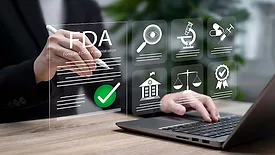
In 2025, medical device manufacturers are grappling with heightened regulatory uncertainty, leading to slower reviews and communication difficulties with the FDA. This situation drives them to reassess operations for compliance and risk management, with a strong emphasis on maintaining product quality, which is vital for patient safety.
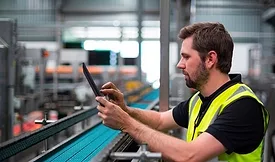
Automated SPC software can help organizations take their quality approaches from reactive to proactive, boosting efficiency and getting everyone on the same page. Read on to learn how companies in transportation and defense, consumer goods and construction materials, food and beverage, and medical devices and pharmaceuticals companies can meet quality requirements, industry regulations and more.
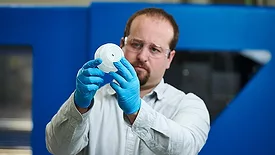
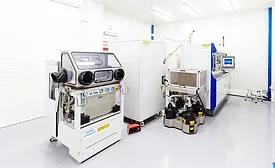
Additive manufacturing has clearly been a major disruptor in sectors where it has been adopted, and this disruption propagates through the supply chain.
Since the rise of additive manufacturing (AM) in the 2010s, many businesses across the world are now looking at this method of manufacturing to see where it can add benefits across the supply chain.
How the advances are benefitting aerospace engineers with increased flexibility, improved image quality, better reporting and data storage capabilities.
Standards and regulations rule the aerospace industry. Inspections and reviews are crucial to passenger and flight safety, but compliance with these standards can become time consuming and expensive.
This spring have presented no shortage of hurdles. While many industries are facing new challenges, for those in manufacturing, this may mean continuing production despite supply chain disruptions, health and safety concerns, and economic impact.