Items Tagged with 'universal testing machine (UTM)'
ARTICLES
Test & Inspection
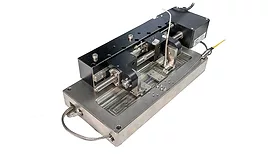
The Role of Microtesters in Materials Testing Today
The microtester has emerged as a recent evolution in materials testing technology.
Read More
Test & Inspection
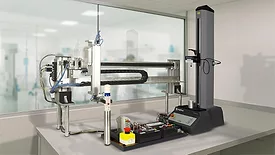
The Energy is Worth the Effort - the Catalyst to Automate
Automation in physical properties testing is a strategic investment that enables higher precision, greater throughput, and more actionable data.
Read More

Test & Inspection
Universal Testers: The Greatest Thing for Slicing Bread?
Documenting material properties is often a key factor in quality control and R&D divisions.
Read More
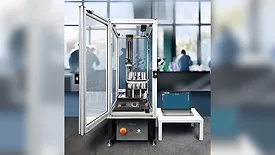
Test & Inspection
Universal applications and implementations of UTMs
A universal tester can regularly be found implementing tension and compression applications in QC and R&D environments.
Read More
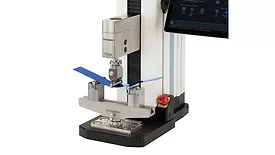
NDT | Compression Testing
Understanding Compression Testing and Flexural Modulus, a Crucial Aspect of Material Strength Evaluation
Advancements in materials science and engineering breakthroughs are possible through the science of compression testing.
Read More
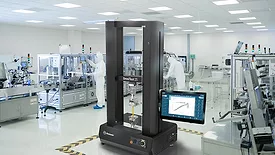
Tensile Testing: A Gripping Story
Tensile testing is varied in purpose and industry specific. The manner of holding the test specimen and applying the axis of tensile force is what makes the application unique and enables quality assurance at almost any point in any product's lifecycle.
Read More
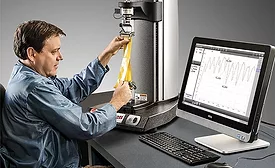

A guide to Force Measurement in Static Materials Testing
Force testing is the most fundamental element of materials testing and continues to be critical to the safety of the world around us.
Read More