Automotive
The Future of NVH End of Line Testing: From AI-Driven Diagnostics to Psychoacoustics
If even the slightest fault goes undetected in the production line, manufacturers can face costly returns, warranty claims, and reputational damage.
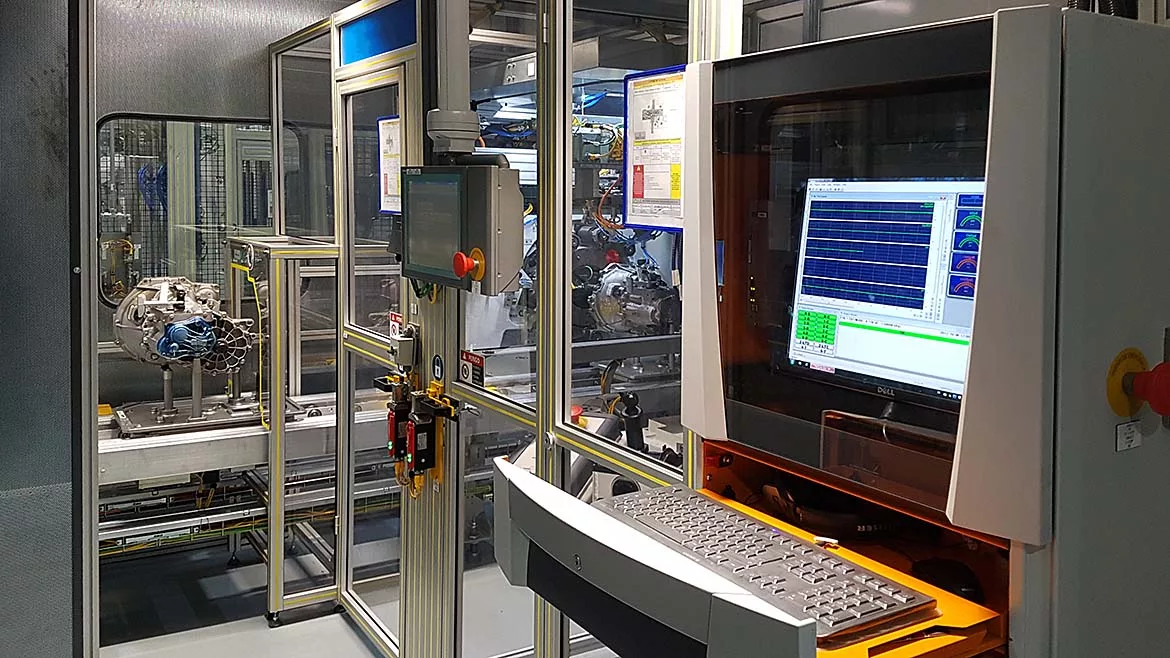
In today’s competitive manufacturing landscape, quality assurance isn’t just about meeting specifications - it’s about delivering sophisticated, reliable, and perceptually superior products. This is particularly important in the automotive industry, where End-of-Line (EoL) Noise and Vibration (NVH) testing has become a cornerstone of product validation for key components such as drive trains, motors and actuators. As manufacturers race to produce large volumes of high-quality vehicles, NVH testing ensures that critical components meet stringent performance and comfort expectations, before final vehicle assembly.
These principles and technologies are equally valuable to manufacturers of high-value products in other sectors, such as actuator devices for seat adjustment or back door lifting, plus other consumer goods where motors and actuators, with low noise and vibration, are essential to product quality, safety, and user experience.
Why NVH Testing Matters
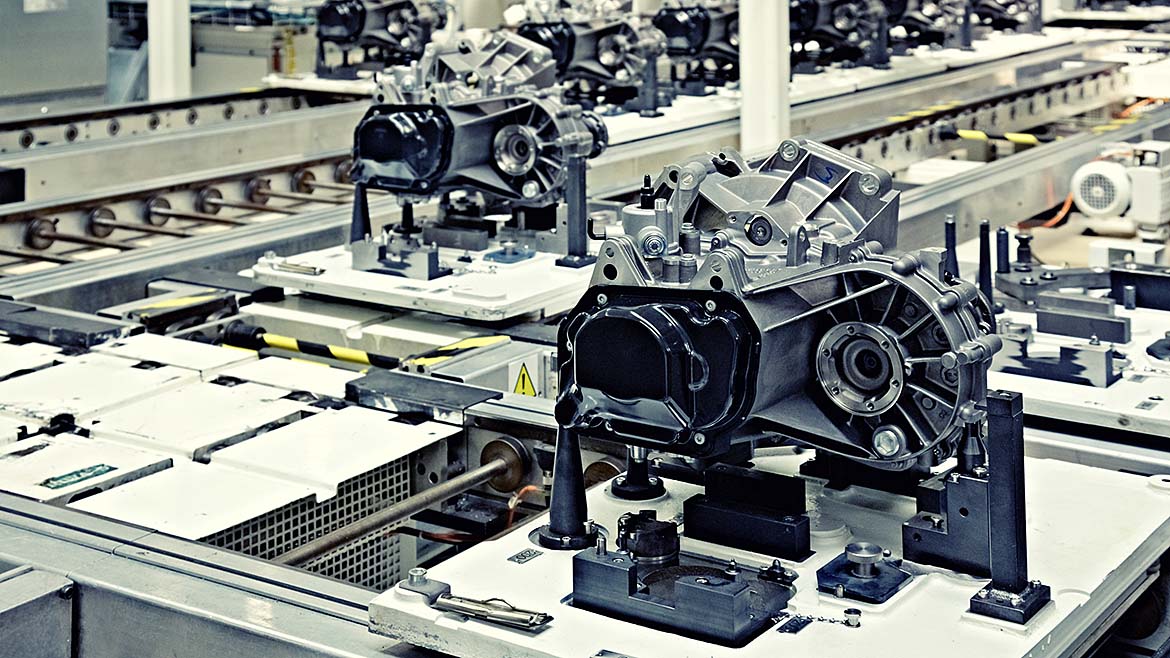
NVH testing evaluates the acoustic and vibrational characteristics of a component, helping manufacturers detect even the slightest anomaly which could impact performance and customer experience. For example, with the rise of electric vehicles (EVs), traditional masking noises from internal combustion engines have disappeared, making even minor tonal inconsistencies or vibrations from drive trains and actuators more noticeable to drivers. NVH testing in end-of-line (EoL) became a market differentiator, with tests ranging from single components like gears up to complex aggregates such as Dedicated Hybrid Transmissions (DHTs), Electric Power Steering, and Lift Gates.
For premium vehicles, NVH performance is a key differentiator. If even the slightest fault or anomaly goes undetected in the production line, manufacturers can face costly returns, warranty claims, and reputational damage.
Technological Advancements in End-of-Line NVH Testing
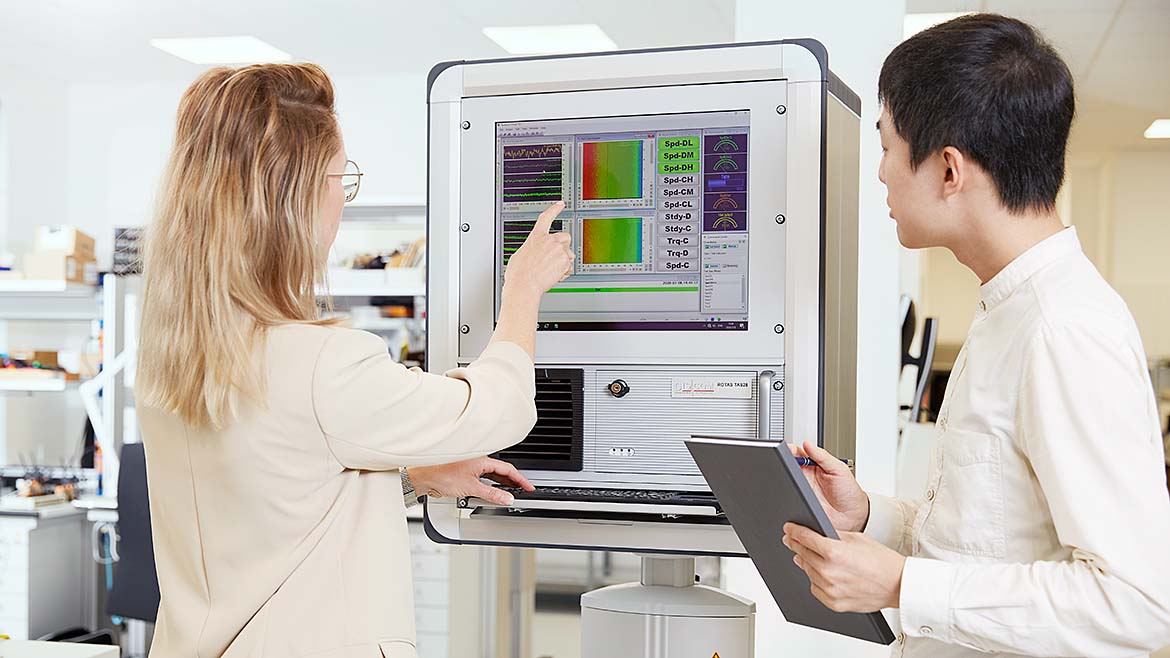
Modern NVH end-of-line testing systems have evolved to meet the demands of high-throughput, precision manufacturing. Key developments include:
Advanced Sensors: Structure and airborne-noise sensors, specifically designed for End-of-Line NVH tests, now offer greater confidence and signal insight, allowing for advanced analysis without the influence of external factors, such as electrical noise and structural resonances from the test stand. These sensors can be embedded into automated test benches, enabling consistent and repeatable measurements across thousands of units.
Advanced Signal Processing Algorithms: Dedicated synchronous analysis of multiple rotating parts and machine learning models are being used to detect anomalies, classify defects, and even predict future failures. These systems can flag subtle deviations in tonal noise or vibration patterns that may indicate assembly issues or component wear.
Digital Twins and Simulation: Virtual models of vehicles allow engineers to simulate NVH behavior before physical testing. This helps optimize test parameters and reduce the time needed for validation.
Cloud Computing / Data Mining: NVH data collected at different stages of the value chain can be processed locally for immediate feedback and uploaded to centralized platforms for long-term analysis, trend monitoring, and traceability. Examples are the correlation of data from different NVH analyses across the production value chain (gears à gearbox à e-axle) and the correlation of NVH results with other manufacturing variables, such as bearing press force.
Methodological Developments and Best Practices
To ensure consistency and reliability, manufacturers are adopting standardized protocols based on ISO and SAE guidelines. These standards help align lab-based testing with end-of-line procedures, ensuring results are comparable and actionable.
Adaptive testing strategies are also gaining traction. By tailoring test profiles to specific vehicle configurations or production conditions, manufacturers can improve defect detection rates and reduce false positives. Feedback loops between test systems and production lines enable continuous improvement and faster root cause analysis.
A Blueprint for Success
Although NVH testing is deeply embedded in automotive manufacturing, its principles are increasingly being applied in other sectors:
- Medical Devices: A good example of this is where quiet operation is critical in devices like infusion pumps, ventilators, and surgical tools. NVH testing helps ensure reliability and patient comfort.
- Consumer Goods: NVH testing can also detect hidden defects in motors of products such as washing machines, dishwashers, air conditioning systems and even commercialized service robots.
The automotive industry’s approach to scalable, high-precision NVH testing offers a blueprint for success. Refined NVH testing provides valuable data for continuous improvement in design and manufacturing, helping companies reduce returns and warranty claims, improve reliability, and ensure customer satisfaction.
Looking Ahead: Trends and Innovations
The future of NVH testing is being shaped by several emerging trends that are helping innovators gain a competitive edge:
AI-Driven Diagnostics: Artificial intelligence is being used to improve defect classification, reduce false alarms, and enhance predictive capabilities.
Psychoacoustic Metrics: Adapted to the reality of production environments, these metrics may enhance the overall NVH analysis in EoLs by partially quantifying how humans perceive sound and vibration, allowing manufacturers to align technical performance with user expectations.
Sustainable Testing Systems: Energy-efficient test benches and robust sensor materials are helping manufacturers meet environmental goals without compromising quality.
End-of-line NVH testing is no longer a niche quality control measure—it’s a strategic advantage for manufacturers producing great volumes of high-value products. In the automotive sector, it ensures that every drivetrain, motor and actuator meets the acoustic and vibrational standards expected by today’s discerning customers. And beyond automotive, NVH testing is proving its worth in industries where quiet, smooth, and reliable operation is essential to ensure customer satisfaction.
As technologies and methodologies continue to evolve, NVH testing will remain a vital part of the quality assurance toolkit—helping manufacturers deliver excellence, enhance efficiency and reduce costs.
Case Study: Customer challenge
A leading global automotive company contacted Discom by HBK as they were experiencing a spike in warranty claims and returns, due to issues with bearings connected to the rotor shaft of the e-motors in their electrical drive trains. Their existing end-of-line test system was failing to detect these anomalies, which meant faulty vehicles were being shipped to customers around the world. This resulted in costly returns and warranty claims, plus production line shutdowns. The issue was also impacting customer satisfaction, and putting brand reputation at risk.
The solution
A Discom by HBK engineer visited the production site to analyze the setup, understand the specific challenges they were facing, and run a parallel end-of-line test system to compare the data. By optimizing the analysis procedure and using advanced analysis techniques like the deviation spectrum, HBK was able to provide a solution that could detect the faulty bearings at the EoL test stand, and ensure they didn’t make their way into vehicles.
Conclusion
NVH analysis at end-of-line test benches has proven to be an indispensable tool in the automotive industry to ensure even the slightest anomaly is detected early. As a result, manufacturers can confidently produce large volumes of high-quality, comfortably quiet vehicles that will delight customers and avoid costly warranty claims, product recalls and production delays.
Looking for a reprint of this article?
From high-res PDFs to custom plaques, order your copy today!