From the Editor
The Origins of Superheroes
And their real-life counterparts in quality.
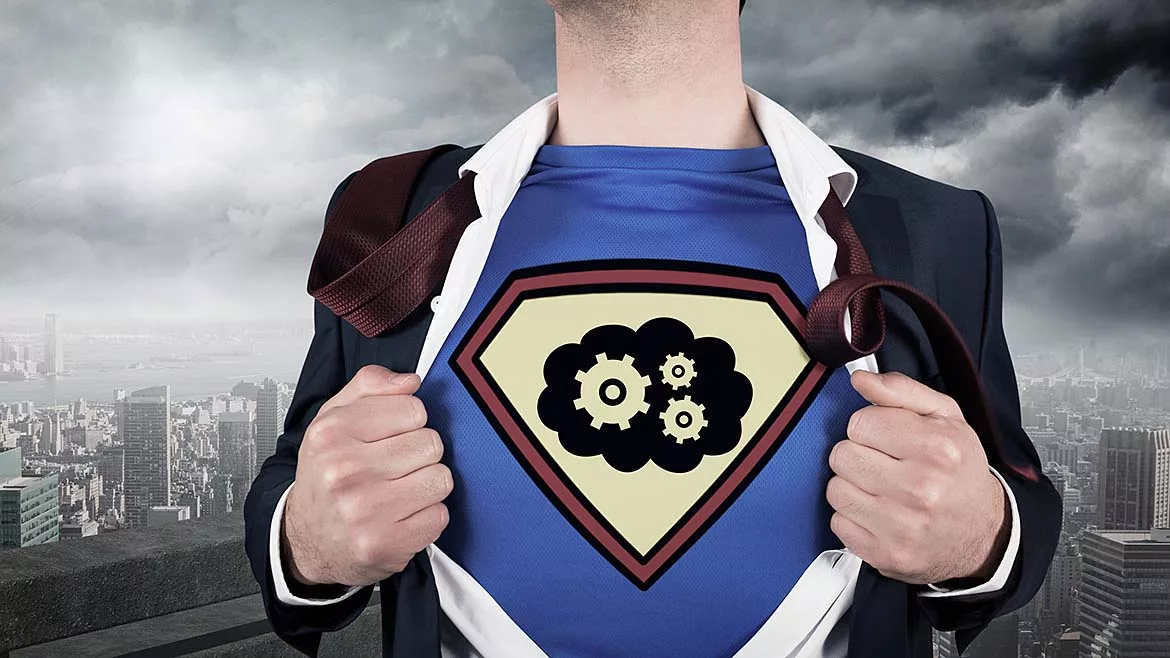
The concept of heroes with extraordinary abilities is far older than the comic books—which then became movies, which became television or streaming shows—that we know today. Stories that come from ancient myths laid the groundwork for what has become the superhero genre. Heroes like Heracles in Greek mythology, with his superhuman strength, or the Norse god Thor, wielding his mighty hammer, were early archetypes for the superhero—larger-than-life protectors who embodied courage, justice, and divine power. Additionally, these stories often reflect the values and fears of society.
The modern superheroes emerged (or were reborn, from the ancient storyteller’s perspective) in the late 1930s, with Superman. His origin as an alien sent to Earth to escape his planet’s destruction combined science fiction with moral idealism. This formula, blending extraordinary powers with a compelling backstory, became a blueprint for countless heroes.
The blueprint held true for Batman, although it offered a stark contrast—a human hero forged not by alien heritage but by personal tragedy. His parents’ murder became the emotional core of his mission, showing that trauma could be a catalyst for heroism.
Spider-Man’s transformation after a radioactive spider bite is inseparable from his guiding principle that “With great power comes great responsibility.” Wonder Woman’s Amazonian heritage ties her to themes of peace, justice, and equality. These beginnings are not just explanations for powers, but also the moral compasses that define the hero’s path.
Supervillains, on the other hand, often emerge from the same narrative soil but grow in darker directions. Many villains share traits with heroes—intelligence, ambition, resilience—but their motivations are twisted by greed, vengeance, or ideology, or again, the other side of the coin of a personal tragedy. The Joker, for example, in all his iterations, emphasizes chaos and a rejection of moral order. Magneto’s backstory as a Holocaust survivor adds depth to his antagonism, framing him as a tragic figure whose mistrust of humanity fuels his militant defense of mutantkind.
Some villains are actual mirrors of the heroes they rail against. Lex Luthor is Superman’s intellectual equal but uses his genius for personal power rather than altruism. Doctor Doom rivals Reed Richards in intellect but is driven by ego and control. These parallels highlight a central theme: the same circumstances or abilities can lead to vastly different moral choices.
And as mentioned earlier, the superhero story can also be reflective of the fears of society. The Cold War era brought a wave of origin stories tied to nuclear power, radiation, and scientific experimentation—reflecting societal anxieties about technology and its consequences. Later, the rise of antiheroes like Wolverine or the Punisher blurred the lines between hero and villain, showing that morality in these worlds could be complex and situational.
I share these superhero stories with you because I have toyed with the idea of creating a superhero story for the quality field. A mild-mannered quality engineer, perhaps a bit disenchanted, maybe overworked and feeling underappreciated (I’m sure none of us can relate) is working in his super-high-tech lab off an even higher-tech shop floor, teaming with an abundance of artificial intelligence and state-of-the-art testing equipment. Suddenly, an explosion!
From the ashes rises the evil Dr. Defecto, an evil sorcerer capable of destroying manufacturing and quality control systems with his fingertips. His nemesis, General gage, a robot made entirely of gages, and his team of robots created by the explosion and made sentient from the AI, including Colonel Calibration and a delightfully quirky CMM, nicknamed Cordo.
And, credit where credit is due, Eddie Pompa’s NDT Hero creations incorporate each NDT method into unique superheroes that work to protect and make our world safer by preventing disaster by implementing sound inspection and quality assurance processes across all sectors. You can check them out at https://www.ndthero.com/about-2.
But we don’t have to create superheroes. They already exist. Even in the quality industry. As Michelle Bangert writes, “The team at Power Plant Services is working hard to keep the lights on. Power plants depend on them—they are known as the emergency room for power plants—and they are available around the clock.”
Power Plant Services is Quality’s 2026 Plant of the Year! You can read all about them in Michelle’s article, “The Power of the Right People,” and discover everything we have to offer in this month’s Quality.
Enjoy and thanks for reading!
Looking for a reprint of this article?
From high-res PDFs to custom plaques, order your copy today!