Electronics
Durable Labels: The Overlooked Driver of Product Quality and Traceability
For quality teams, the challenge is ensuring that all required information is available and legible wherever the product travels.
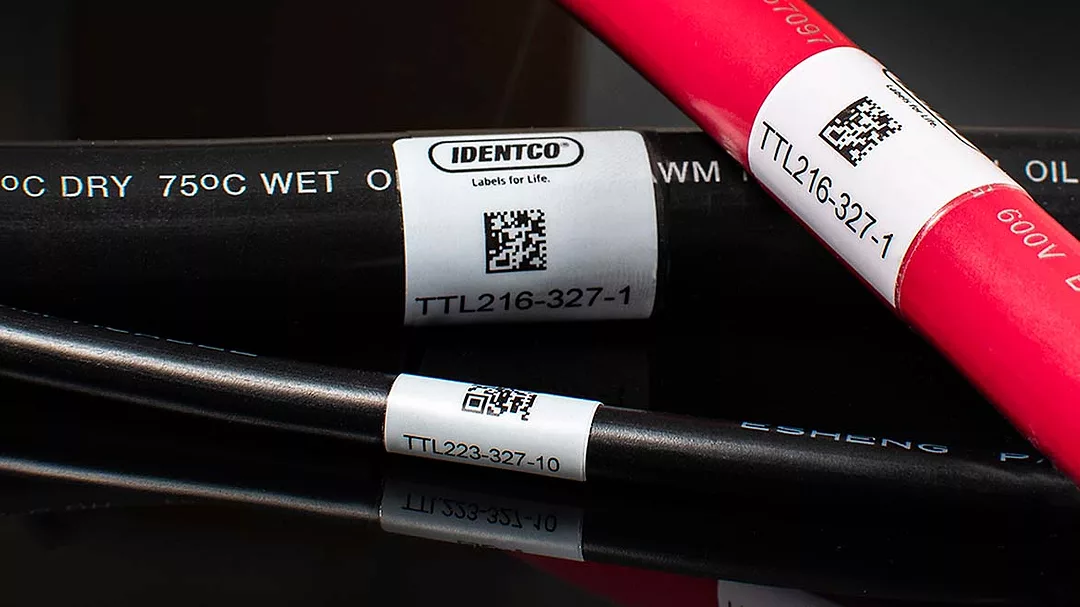
Engineered labels withstand harsh environments – heat, abrasion, and chemicals – ensuring safety information, specifications, and traceability data remain legible throughout the product lifecycle.
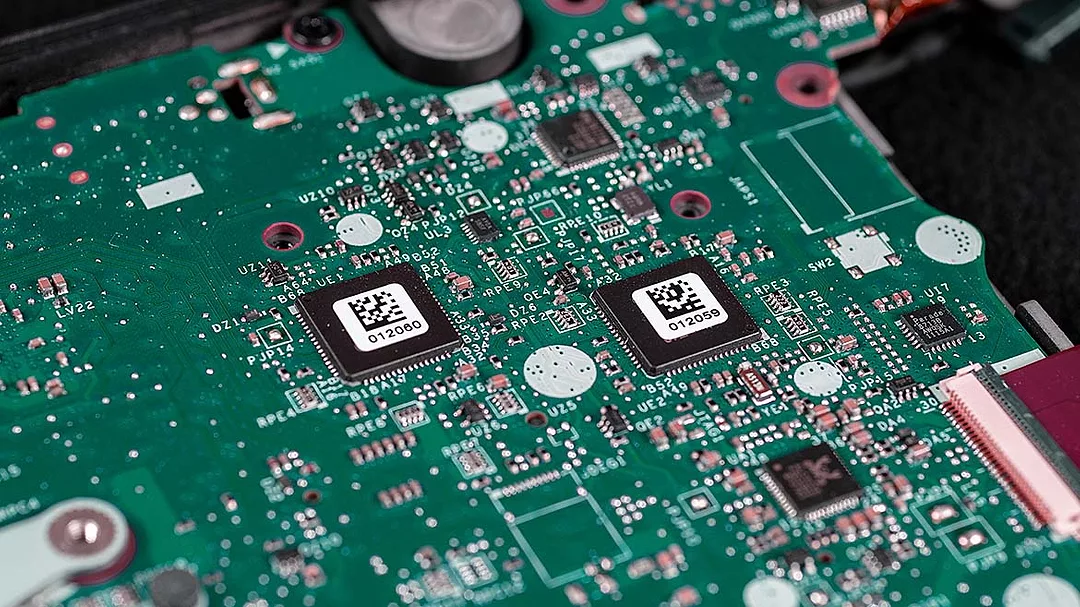
Durable labels on printed circuit boards (PCBs) preserve traceability through every stage of electronics manufacturing, from assembly to testing, ensuring critical production data remains connected to each unit.
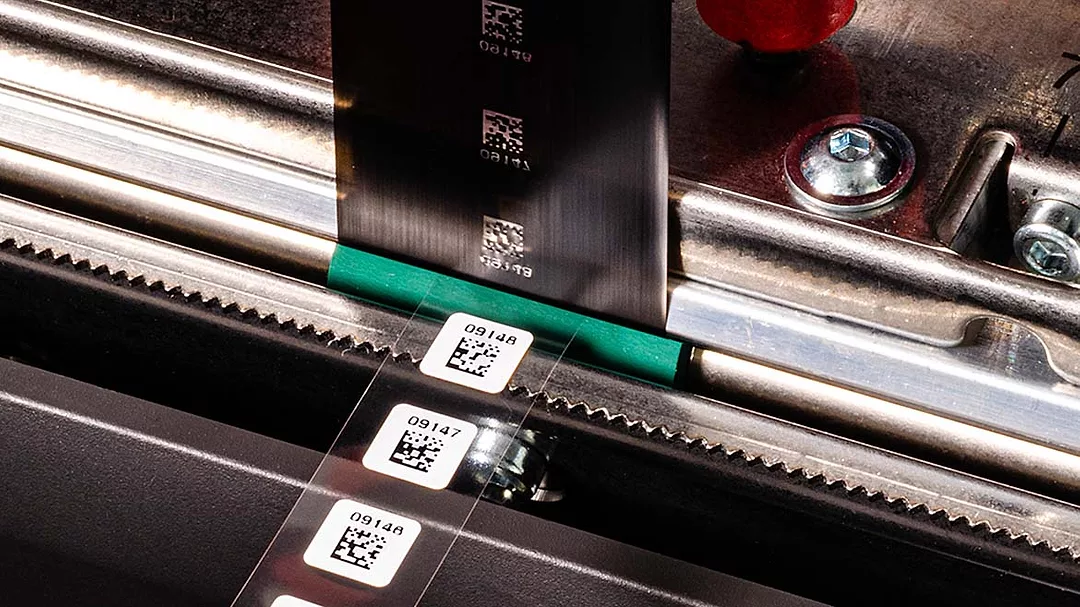
High-resolution printing of serialized QR/data matrix codes ensures accurate, scannable identification, supporting traceability, quality control and the data integrity required for effective quality management systems.
No matter the industry, every manufactured product carries critical information: specifications, safety warnings, regulatory markings and even serialized identifiers that are linked to traceability and quality control. That information must remain connected to the product throughout its lifecycle.
Durable labels maintain that connection. They carry the data that links physical products – from printed circuit boards (PCBs) to chemical drums – to production records, regulatory documentation and quality systems. When labeling systems degrade or fail, gaps in traceability emerge, compliance risks become more prevalent and manufacturers lose visibility into the processes that protect product quality and integrity. This leads to regulatory violations, production delays, product recalls and safety risks.
Why Labels Matter More Than Ever
Manufacturing environments continue to grow in complexity. Products move through global supply chains, pass multiple regulatory checkpoints and operate in increasingly harsh conditions. In these environments, durable, reliable identification is essential.
This importance is particularly clear in industries where product identification directly supports quality systems and regulator compliance, such as electronics manufacturing and chemical production.
In electronics manufacturing, PCBs move through a series of tightly controlled production steps including assembly, solder reflow, cleaning, inspection and testing. Throughout this process, board-level identification connects each PCB to manufacturing records, component lots, process parameters and quality data. If a label fails during production, that link can be lost, making it difficult to isolate defects, trace component issues or conduct effective root cause analysis.
Chemical manufacturers face a different but equally critical challenge. Drums and containers must carry hazard communication, regulatory markings and product identification that remain readable throughout handling, storage and transport. Labels are exposed to abrasion, chemicals, moisture and UV as they move through warehouses, loading docks and transportation networks. When those labels degrade or detach, shipments can be delayed, rejected or deemed noncompliant with critical regulations.
Across both environments, durable labeling protects the integrity of the information that manufacturing systems rely on. By ensuring product identification remains legible and securely attached throughout production, distribution and use, durable labels help preserve traceability, support regulatory compliance and maintain the visibility required to manage product quality.
Traceability: The Foundation of Quality
Traceability is a cornerstone of many quality programs. Manufacturers must be able to track materials, components and finished goods throughout the product lifecycle. If a defect occurs, they need the ability to isolate affected products quickly, determine root cause and prevent issues from spreading through the supply chain. Clear and reliable product identification makes this possible. Labels connect physical products to the data that supports manufacturing records, quality documentation and component history.
Within a quality management system (QMS), identification supports multiple control points throughout the product lifecycle. Materials are verified at the start of production, components remain traceable during processing and finished goods retain clear identification through storage, transportation and use.
When labels degrade, fade or detach, traceability systems break down. Identification numbers or your brand become unreadable, information is lost and digital records lose their connection to the physical product. As a result, manufacturers lose the visibility needed to isolate defects, perform effective root cause analysis and maintain control over product quality – while also increasing the risk of compliance failures, audit disruptions and safety issues.
Identification Reliability in Harsh Environments
Regulatory compliance and traceability requirements assume product identification is legible and intact long-term. In practice, that can be difficult to guarantee.
Industrial environments place stress on labels. Products are exposed to extreme temperatures, abrasion, chemical exposure, UV radiation, moisture or aggressive cleaning processes. In electronics, this means solder reflow and solvent cleaning. In chemicals, these labels must withstand warehouses, transportation networks and outdoor storage.
For quality teams, the challenge is ensuring that all required information is available and legible wherever the product travels. When labels fail in harsh environments, it becomes more difficult to read part numbers, confirm specifications, identify a brand or ensure the correct materials and components are used throughout production and distribution.
Achieving reliable identification requires expertise in materials selection, adhesive chemistry and print technologies that are matched to the environments products will encounter.
When labels are engineered for the right conditions, manufacturers can maintain consistent, long-lasting identification across products and components. This supports process verification, reduces variation and ensures the control needed to maintain product and process quality.
Four Ways Durable Labels Strengthen Product Quality
When labels are engineered for durability, they support product quality in several critical ways.
- Maintaining traceability across the product lifecycle.
Durable labels ensure product identifiers remain readable through production, logistics and field use, preserving the data chain required for audits, root cause analysis and product recalls.
- Protecting regulatory and safety information.
Hazard communication, compliance markings and certification information must remain visible and legible. Durable labels ensure this critical safety information remains intact throughout handling, transport and storage.
- Supporting process verification on the production floor.
Labels allow operators and quality teams to confirm part numbers, revisions and specifications throughout production, ensuring the correct materials and components move through each stage of manufacturing.
- Preserving data integrity in digital manufacturing systems.
Modern manufacturing relies on barcode and serialization data tied to enterprise systems. Durable labels ensure scanners can reliably read identifiers throughout the product lifecycle.
Durable Labels as a Strategic Quality Decision
Despite their critical role in manufacturing, labels are treated as commodity purchases, with decisions driven primarily by cost. Yet when labels fail, the consequences surface in the very areas quality teams are responsible for protecting: product identification, traceability, compliance and product integrity.
While labeling is required, reliable product identification is not guaranteed unless labels are engineered for the environments they encounter. For quality leaders, the real decision is whether the labels supporting their products will perform for the full product lifecycle. When they do, manufacturers protect the information their quality systems depend on.
Looking for a reprint of this article?
From high-res PDFs to custom plaques, order your copy today!