This article introduces materials testing for metal powder and parts made using metal additive manufacturing. It covers types of testing and their objectives for characterizing printed metal, aimed at non-experts new to metal printing and testing.
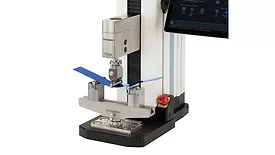
Catheters are used for various medical procedures, including addressing issues in a person's arterial network and urological conditions. They also deliver medical devices and treat conditions such as clogged arteries and irregular heartbeats. Testing for catheters includes tensile testing, lubricity testing, and usability/trackability testing.
NSL Analytical Services ("NSL" or the "Company"), an independent analytical and metallurgical testing services company serving U.S. and global customers, announced a significant milestone in its growth trajectory with the relocation of one of its two Cleveland-area testing laboratories.
Materials testing ensures quality by subjecting materials and products to controlled conditions to evaluate properties and behavior under stress. Learn how mechanical, physical, and chemical properties are evaluated to determine suitability for different applications.
There is an old saying: Garbage in, garbage out. It is a reference to the need for any creative, quality end product to start with quality, reproducible material.
Quality materials are the route to quality products. For a product to be fit-for-purpose and meet legislative and commercial requirements it must check several boxes.
In the realm of material science and engineering, the evaluation of material strength is crucial. One of the key methods for this purpose is compression testing.
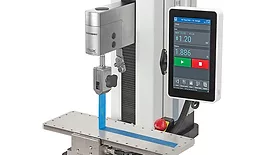
Whether you are an OEM testing an airframe or a third tier supplier testing high strength alloys, it is crucial to use a reliable tensile testing system that can produce repeatable results.
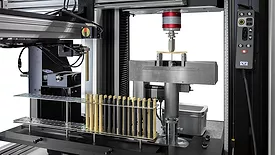
Materials testing is critical for the development and quality assurance of all products in the market, with some industries such as biomedical, aerospace, and automotive companies experiencing high volumes of testing throughput in addition to strict quality standards.
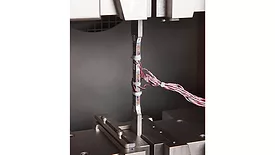
An extensometer is a device that is used to measure changes in the length of an object, or sample in the materials testing world, such as stress-strain measurements and tensile tests.