Testing the performance of components is critical to many automotive suppliers in a quality control aspect—and hugely important for research and development of new products.
In the production of automobiles, there are many different materials that require mechanical testing. When industry changes occur, this ultimately affects the types of testing being conducted.
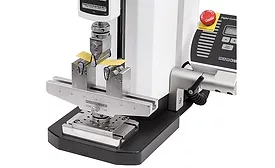
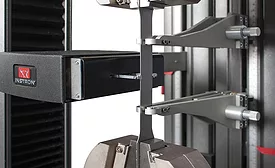
They’re as common as dandelions in the spring, and as universal as a Swiss army knife. Sometimes they gather dust, condemned to a dark corner, other times they’re polished to a mirror finish from intensive everyday use. We’re talking, of course, about universal testing machines (UTMs).
It’s the year 2017. These days, it’s not uncommon for us to encounter several pieces of technology before we even leave the house in the morning. Simple devices like coffee makers and alarm clocks have had a space in our homes for decades, and with the entrance of the digital age, have made some impressive strides in technological advancement over the last several years.
Lloyd Instruments’ range of materials testers and materials testing accessories for the medical device industry now includes a specially developed THS306-V2 syringe testing jig that is designed for evaluating both the force required to pull off the end caps from syringes as well as the force required to expel fluid through the syringe (the break-away force and the glide force).
It is hard to overestimate the importance of quality and reliability in the area of medical devices since the lives and well-being of individuals are at stake and the industry is so tightly regulated.
When the materials testing application calls for up to 3,000 kN of hydraulic force applied by advanced digital control, Tinius Olsen offers its all-new SL series, replacing the company’s Super L series.