Disruptions to your testing program can result in delayed shipments, upset customers, and lost revenue. For this reason, it is crucial to ensure that measures are being taken to prevent system downtime when planning the introduction or evolution of your testing program.
In the year since the COVID-19 pandemic began upending our lives, one change among many was the huge uptick in the global consumption of paper and plastic products. Ecommerce saw rapid expansion in 2020 as restaurants shifted to a takeout model and consumers opted to shop online from the safety of their homes instead of visiting a crowded store.
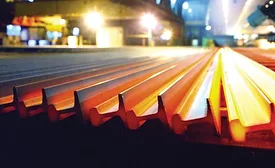
Today there are over 3,500 different grades of steel. In fact, steel is one of the world’s most innovative and essential materials for manufacturing, building and construction.
All objects—from toothbrushes to umbrellas to the components of a space shuttle—experience forces throughout their lifecycles. In performing everyday actions like tying a shoelace or ripping open a package, we all exert forces without even realizing it.
Anyone involved in medical device manufacturing knows that their industry is highly regulated. Almost every medical device manufacturer or pharmaceutical supplier uses materials testing systems in their quality control and research laboratories or outsources their testing to approved third-party laboratories.
We tend to take cardboard packaging for granted, despite its increasing importance in our everyday lives. With the advent of online shopping, more and more of our purchases are shipped to our homes inside cardboard boxes of all shapes and sizes.
Component manufacturers across the manufacturing spectrum—such as in automotive, aerospace, electronics, medical, energy and other fields—must ensure that their parts meet engineers’ specifications.
What is tension? The application of tension involves stretching or pulling a piece of material. Tensile tests are conducted to help specify materials for engineering applications.
It is a cold hard fact that steel production in Europe can hardly be made economically viable unless manufacturing facilities use the very latest equipment and technology. And there is no alternative to operating 24/7.