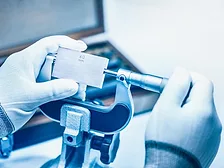
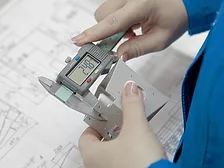
Whether you’re doing internal calibrations or outsourcing it, it’s important to understand calibration basics. This can mean the difference between a company that runs smoothly—or scrambles to get by.
While some calibration challenges are ever-present, calibration—as with so many things this past year—has changed because of the pandemic. Manufacturers may have extended their calibration cycles for gages that were not being used, or put off calibration.
It’s not what you’re thinking. It stands for ‘overdue’ and nothing puts quality people into panic mode faster than the realization they’ve got some items in their system that are overdue for calibration and, of course, a quality audit is happening within a day or so.
In keeping with my recent columns summarizing the calibration of various gages, I offer this one as a catchall for the many precision hand tools used for measurements.
This column is the fourth in a series of overviews on gage calibration to give you some idea of what is involved at this level of measurement. A book could probably be written on each subject and not do the job very well so I will continue keeping it simple to avoid completely ruining your day.
In my last column I listed some basic equipment requirements for the calibration of thread plug gages so I thought it would be helpful to give mating gages the same treatment.