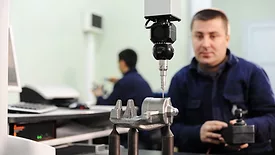
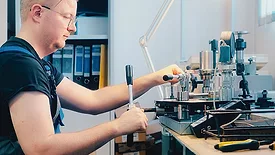
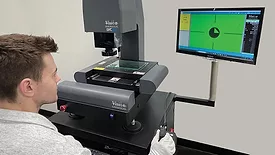
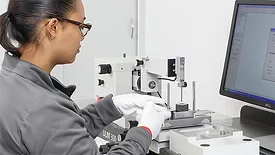
Drift, as defined by NIST, refers to a slow change in a gauge's response. When measurement equipment drifts beyond specifications, it can result in inaccurate data, negatively affect product performance, and potentially lead to recalls. Drift can occur simply through normal use over time.
The American Association for Laboratory Accreditation (A2LA), a global accreditation body, announced the opening of a second office in Boulder, Colorado.
Automated calibration systems are changing how manufacturers maintain measurement accuracy. These systems reduce reliance on manual processes and improve precision.
Proper calibration is essential to ensure these sensors deliver trustworthy data, but data centers face significant challenges when calibrating these devices.
As data centers continue to evolve into vital infrastructure, maintaining environmental compliance and operational reliability are increasingly important.
To help labs stay ahead of evolving industry demands, A2LA WorkPlace Training's courses provide practical, standards-aligned training designed to build confidence, sharpen technical skills, and strengthen quality systems.
Calibration lab quotes are often based on ideal conditions, but the true costs of calibration testing can remain hidden from metrics. When these costs appear, managers may blame the lab. By using risk control tools and investing in quality equipment, labs can reduce these hidden expenses.
The role of quality auditors has evolved into that of strategic leaders and data experts, driven by technology and industry demands. This article highlights the key traits and importance of modern quality professionals.
Companies often confuse verification with calibration and seek cheaper services, sometimes from local providers unaware of manufacturer specifications. They may also overlook whether those providers' ISO-17025 accreditation covers their equipment, risking invalid calibration.
The gaging setting standard is essential for accurate measurements in high-performance manufacturing, despite often being overlooked. While digital calipers are versatile, they lack the precision of comparative gages that rely on a master-setting standard for sub-micron accuracy. Proper use of this standard can enhance performance and lower calibration costs.
Heather Wade previews her workshop “The 3 Rs of Calibration; Reading, Writing, and Reviewing Accreditation Scopes, Service Requests and Calibration Certificates.” With over 100 presentations worldwide, she provides practical insights on metrology.