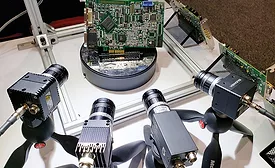
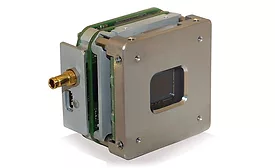
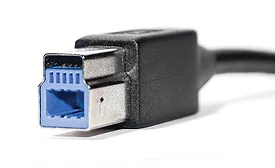
A number of data transfer hardware interfaces have been developed specifically for the machine vision sector over the years, including cameralink, GigE vision, USB3 vision, CoaXpress and Cameralink HS.
The choice of camera data interface is a vital consideration both in traditional PC-based machine vision systems and in the increasingly important area of embedded vision.
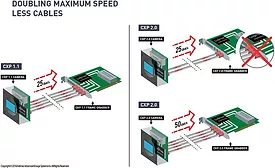
Understandably, designers of high-throughput, multi-camera machine vision systems have grown dissatisfied with those aging standards and have found a new champion, CoaXPress (CXP), a high-speed, point-to-point, serial communications interface that runs data over off-the-shelf 75Ω coaxial cables.
A machine vision interface connects a camera to a computer, transferring image data for processing and analysis. What you choose will impact your application, your system component options, and your results for a long time to come.
The electronics industry is driven by the trend for more GOPS (Giga-Operations per Second) per mm3. This requires smaller technology nodes in wafer manufacturing, a drive to advanced packaging, as well as back-end inspection of the smaller interfacing components like micro-bumps, distribution layers, etc.
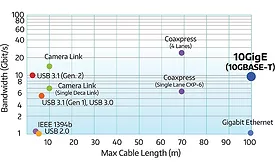
Two interfaces—GigE and USB—have been dominating the machine vision industry for the last five years. One supports long cable lengths and easy integration of multiple cameras, while the other offers higher bandwidth and true plug-and-play convenience.
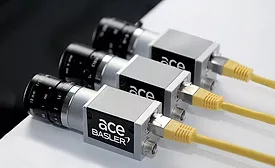
The new standard in single-link interface speed, 10 Gigabit Ethernet (10 GigE), enables users to take full advantage of the latest generation of high-performance sensors with their higher resolution, frame rates, bit depth and dynamic range.
In 2000, the Camera Link standard was adopted as one of the first machine vision standards. Now more than 17 years old, it has seen some changes and several other standards have emerged and been adopted by the industry.
With the continually increasing demand on framerates, bit depths, and resolution, interface standards must adapt to these changes with new ways to transfer data with increased speed and robustness.