
Articles Tagged with ''nondestructive testing''

NDT and Industry 4.0
How Industry 4.0 is affecting NDT in manufacturing, and a brief look into different technologies that affect NDT.
Read More

NDT Flaw Detection 101
We’re always faced with deciding which nondestructive testing method is the most appropriate for detecting a specific flaw type.
Read More
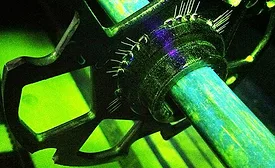
8 System Performance Tools for Magnetic Particle Inspection
Learn more about magnetic particle inspection tools and requirements.
Read More
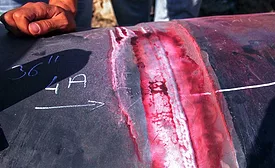
The Ultimate Guide to Visible Dye Penetrant Testing
Some handy tips for beginners who are new to visible dye penetrant testing or NDT pros who want an easy reference guide.
Read More
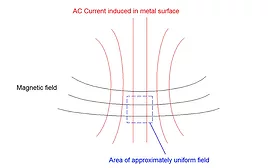
Alternating Current Field Measurement Testing
A number of industries use ACFM to inspect welded connections for surface-breaking defects.
Read More
The Application of Digital Radiography in the Aerospace Industry
Many different parts can be tested and inspected using computed radiography.
Read More
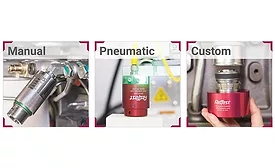
Leak Testing Trends, Best Practices & the Importance of the Connection
Industry 4.0 moves into the leak testing space.
Read More

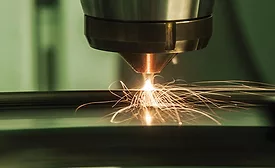
Additive Manufacturing and Inspection Difficulties
Traditional nondestructive inspections are performed much the same for additive parts, but there are some new limitations introduced by the AM methods.
Read More