 RSS
RSS

Quality Top Stories
Vision & Sensors | Vision
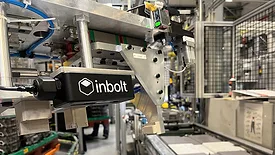
How Vision-Enabled Robotics Are Redefining Factory Quality
From blind robotics automation to intelligent perception. We are witnessing a new era where robots not only act but also see, analyze, and improve.
Read More

Vision & Sensors | Vision
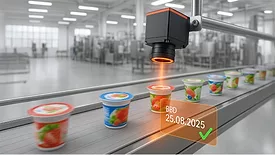
Five Ways Advanced Imaging is Improving Quality
The importance of modern quality control
Read More
Vision & Sensors | Machine Vision
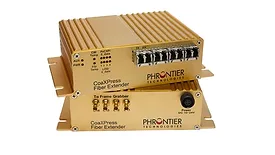
The Perfect Long-Distance Relationship: CoaXPress over Fiber Optic Cables
It’s a rapidly evolving field with the latest advancements arriving in the form of CoaXPress over Fiber.
Read More

NDT | Fatigue Testing
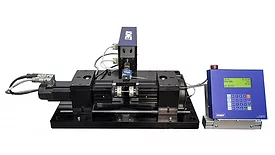
Rotating Beam Fatigue Testing
A Time-Tested Method for Modern Material Evaluation
Read More


Quality Edge Column | John Vandenbemden
Manufacturers Must Verify Products are Fit Through Analysis and Testing
Product Hazard Analysis
Read More


Fellow Traveler | Daniel Zrymiak
Product Definition and Regulations
A quality leader should take steps to understand how their product or system could be regulated within a particular market or geography.
Read More


AME Column
While Baldrige Offers Strategic Framework, AME Provides Practical Implementation
AME and the Baldrige
Read More
