AI is transforming manufacturing, with nearly 60% of top use cases leveraging it to reduce defects and boost productivity, though questions about the extent of these improvements remain.
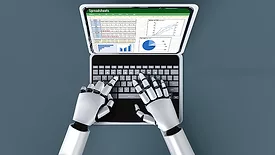
Welcome to the frontier of productivity, where artificial intelligence transforms your Excel files, Google Sheets, and CSV sheets into dynamic business decision tools.
AI is revolutionizing spreadsheets, transforming them into powerful tools for data analysis and decision-making, while also highlighting the importance of secure usage.
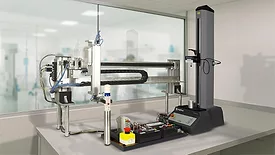
This article discusses automation in quality assurance, with a focus on physical properties testing and metrology, and highlights automated crush strength testing for catalyst pellets in the energy sector.
Dr. SK Gupta, co-founder of GrayMatter Robotics, emphasizes the role of AI-powered robotics in enhancing manufacturing quality and addressing labor challenges, while advocating for a human-centric approach.
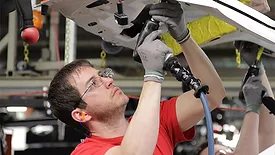
Nissan's Smyrna, TN, plant hosted sixty attendees from Assembly South before a Nashville show. Covering over 6 million square feet, the facility includes production areas and a test track. In mid-April, Nissan reversed its plan to cut shifts due to concerns over tariffs and trade war risks.
Ibrahim Intabli had a passion for taking things apart and excelled in math and science, guided by a mentor in the field of engineering. While his path seemed typical for an engineering career, it took a twist when he returned to school in his thirties to earn a second degree in engineering.
Manufacturing has long been crucial to innovation; however, a new technological revolution, driven by artificial intelligence and data solutions, is reshaping the industry.
Companies are turning to robotic automation for surface finishing tasks like sanding and polishing due to labor shortages. Advancements in AI enable robots to self-program and perform complex operations autonomously.
By “intelligent evolution,” I’m not talking about the simple adoption of automation and forms of machine learning, sort of a set-it-and-forget-it approach.
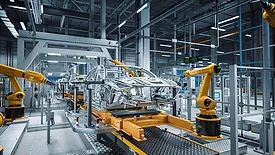
Manufacturing has evolved significantly with intelligent machines like robotics and automation working with humans. AI and predictive analytics help reduce equipment failures and optimize systems in real time, marking a major shift in traditional manufacturing practices toward a smarter future.
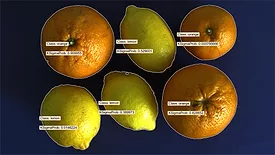
We define machine learning and explain how it works within machine vision, with a focus on where machine learning can be effectively applied to enhance inspection reliability and capability.
 RSS
RSS