 RSS
RSS

Automation

Test & Inspection
Digital Microscope Systems and Visual AI: A Practical Guide to Smarter Magnified Inspections
We’ll explore some introductory, practical considerations on how to bring a visual AI to routine manual visual inspection.
Read More

Software
From Pen and Paper to AI: Transforming Manufacturing
As more supply chain risks like tariffs ripple through operations, outdated systems can no longer adapt to the pace of change required.
Read More

Vision & Sensors | Machine Vision
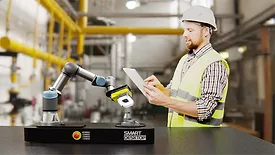
Seeing the Future: Camera Trends, Deep Learning, and System Integration in the Energy Sector
Recent developments in optics, AI, and robotics are pushing inspection systems into new territories.
Read More


Management
The Last Mile of Compliance Is Broken and AI Is the Bridge
AI technologies are particularly well-suited to solving last-mile compliance challenges.
Read More

Guest Column | Nader Fathi
Quality at an Inflection Point: Why MedTech Needs Predictive, Not Just Compliant, Systems
In an era of portable supply chains and digital audits, fragmented systems leave quality teams behind. MedTech leaders must harness unified, predictive data to stay competitive.
Read More

Management
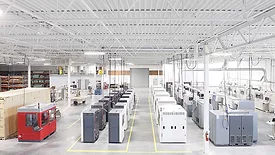
How Digital Twins & AI Are Transforming Training, Quality & Recruiting in Manufacturing
These techniques demonstrate that digital twin and AI-driven training environments are more than just workforce tools; they are recruiting assets.
Read More


A3 Column | Bob McCurrach
Sharper Eyes on Manufacturing Quality
Whether you opt for hyperspectral or multispectral imaging, these advanced technologies are transforming industrial operations.
Read More
