Test & Inspection
Hidden Reliability Risks in Automated Inspection Systems
Workforce related challenges pose significant risks to the successful integration of automated inspection systems within production environments.
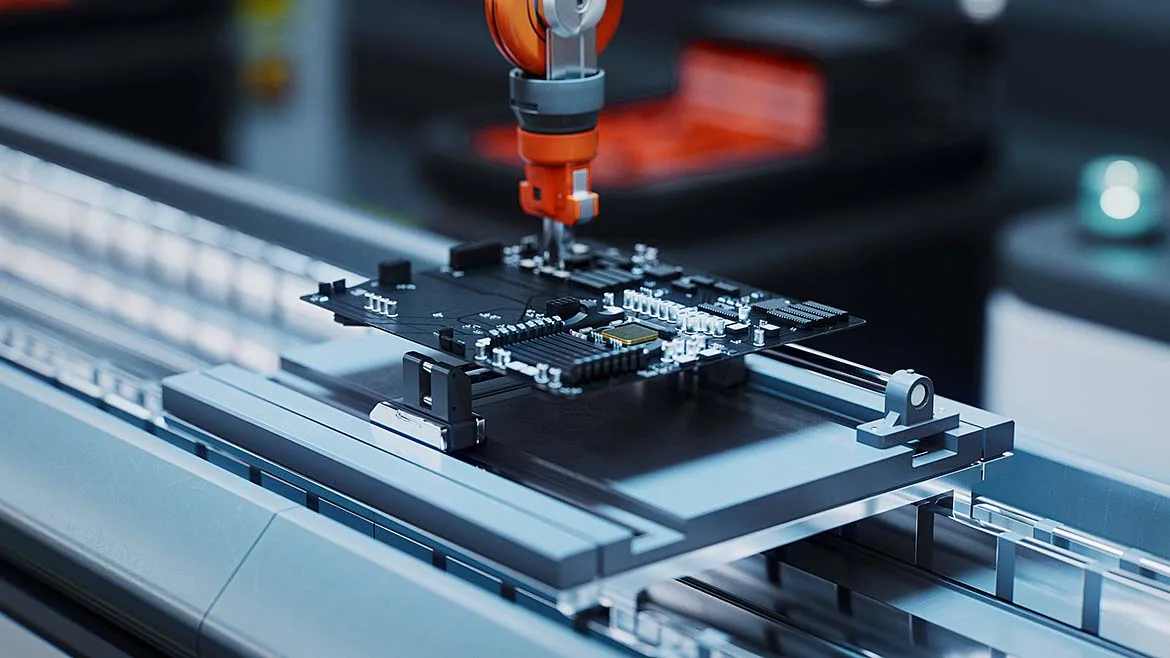
Automated inspection systems have revolutionized manual inspection processes by increasing accuracy, reducing time, and enhancing the reliability of the final product. Manufacturing industries are increasingly adopting automated inspection systems to improve defect detection and prevention.
In most cases, the primary focus remains on improving inspection quality by optimizing operational parameters and enhancing automation capabilities. However, reliability risks in inspection often originate from unexpected operational factors and are frequently overlooked.
Although inspection systems may appear to operate normally, reliability issues can result in false rejects, machine breakdowns, inspection inconsistencies and unstable quality processes. To improve reliability, manufacturers must focus on often neglected areas, such as maintenance practices, operational performance, communication stability, and data consistency. It helps to extend the inspection system’s life, improve confidence in inspection processes and enhance finished product quality.
Reliability Risks in Automated Inspection Systems
Identifying reliability risks in an automated inspection system is the first step towards improving overall inspection reliability. Some of the major reliability risks associated with automated inspection systems are discussed below.
Vision System Instability
Vision system instability can disrupt the image capturing process and may result from several operational and environmental factors. Miscalibration of sensors or cameras can compromise inspection accuracy and overall quality assurance. Variation in lighting conditions can affect image consistency and process control. Environmental factors such as dust particles and contamination can obstruct camera visibility and reduce inspection reliability. Similarly, alignment issues and vibration can disrupt camera positioning, leading to the loss of critical image data.
Vision system instability can undermine confidence in automated systems, especially in highly regulated industries like pharmaceuticals. Consequences include frequent inspection interruptions, unnecessary product rejection and wastage, and increased troubleshooting.
Machine vision issues can be mitigated through a strict calibration program recommended by the inspection system manufacturer. Regular cleaning of camera lenses and the mechanical enclosure also helps minimize contamination issues. Monitoring environmental conditions and maintaining operating environments within manufacturer recommended limits can further improve inspection system reliability. Finally, routine validation of inspection system performance through approved validation plans and schedules helps achieve long-term stability.
Communication and System Integration Failures
Automated inspection systems use digital technologies to enhance traceability, improve process efficiency, and increase operational visibility. However, these systems often face data silo challenges, leading to missing records and incomplete inspection entries. This results in reduced visibility into quality. For example, a lack of historical data on accepted or rejected containers can undermine traceability and the effectiveness of investigations.
Other operational impacts may include unauthorized operator adjustments, workflow disruptions and inconsistent quality processes.
These inspection reliability risks are often associated with communication and system integration failures. Common causes include the inability of communication networks to efficiently handle large volumes of inspection data, and communication mismatches among PLCs (Programmable Logic Controllers), inspection system controllers, and other manufacturing components.
To improve operational consistency, segment networks based on specific communication needs, monitor for both data loss and synchronization issues, implement standardized communication protocols, and use backup configuration management through version control, drift detection and resolution.
Preventive Maintenance Gaps in Inspection Assets
Like other pharmaceutical grade equipment, automated inspection systems are highly vulnerable to poor maintenance practices, particularly inadequate preventive maintenance. These maintenance gaps can halt production lines through unplanned downtime caused by software component failures and mechanical wear and tear. More critically, inspection systems rely on precisely calibrated cameras and sensors to detect objects, and measurement drift and unintended changes may lead to inaccurate responses.
Preventive maintenance gaps can arise from several high-level reliability risks associated with inspection systems. For example, an inspection system may be excluded from preventive maintenance planning due to maintenance resources or the prioritization of other production equipment. Other contributing factors may include a reactive maintenance culture and delays in replacing critical components due to inventory issues.
Gaps in preventive maintenance can cause operational instability, including reduced inspection accuracy that leads to false accepts or rejects. These failures can disrupt stability and, in regulated industries like pharmaceuticals, may result in audit failures. Maintenance failures also increase costs through the need for expensive component replacements and outsourced technical support.
Preventive maintenance gaps can be reduced through strategically planned maintenance schedules. Including all inspection systems in preventive maintenance schedules improves visibility and planning effectiveness. Spare parts should also be arranged in advance, particularly when inspection system manufacturers are located in different regions, to minimize delays caused by transportation and procurement. Involving cross-functional personnel from mechanical, electronic, automation, and software disciplines can further improve maintenance effectiveness. Tracking maintenance activities also helps ensure timely preventive maintenance and inspection reliability.
Data Integrity Challenges
Automated inspection systems generate large volumes of inspection data and utilize digital technologies and software algorithms for automation and image analysis.
Several factors could cause data integrity challenges. These include untracked parameter changes by machine operators and an inability to synchronize data between image analysis software, MES, and SCADA systems.
These issues raise serious concerns about data integrity, leading to process uncertainty and compromised quality outcomes. For example, inconsistent data might delay batch release or cause rework. In regulated industries, such as pharmaceuticals, ineffective centralized data management can also raise compliance and audit concerns, including gaps in audit trails. These challenges also reduce process visibility during quality investigations and hinder targeted process improvement measures, making it harder to identify root causes and implement corrective actions.
These challenges can be mitigated through centralized data management. Inspection data from different sources is stored in one location using standardized recording formats. Access to inspection data should be controlled with proper authentication and authorization procedures. Reliable backup and recovery systems are also needed. In addition, software changes should be reviewed, validated, and documented through approved change control and validation procedures.
Workforce Coordination and Operational Awareness
Workforce related challenges pose significant risks to the successful integration of automated inspection systems within production environments. Poor coordination between production and maintenance teams can result in weak fault ownership and ineffective root cause analysis. Another challenge is insufficient operator training, in which operators rely heavily on maintenance personnel for even minor operational issues. Additional factors may include communication gaps in reporting inspection abnormalities and deviations.
These risks can result in delayed error reporting, slower troubleshooting response, and recurring quality inconsistencies. As a result, operational reliability and workflow efficiency may be significantly affected.
Workforce coordination challenges can be mitigated through implementing cross-functional training programs that educate production personnel on inspection continuity, operational reliability, escalation procedures and drift indicators.
Looking for a reprint of this article?
From high-res PDFs to custom plaques, order your copy today!