Building the NDT Workforce from Entry-Level to Engineering. NAS 410, SNT-TC-1A, ISO 9712, and the education pathway behind professional NDT certification.
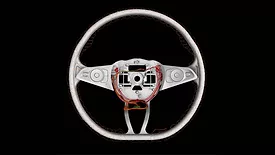
X-ray Computed Tomography (CT) inspection has become one of the most powerful tools available for diagnosing quality problems that other inspection methods simply cannot reach.
Every morning, millions of people cross bridges, board aircraft, step into elevators, cook with gas, and drive through tunnels without giving a second thought to the forces that hold those structures together.
Earlier detection through CT scanning prevents downstream rework, reduces material waste, and protects production capacity while also enabling traceability.
Ask any aerospace manufacturer about their biggest challenge, and one word comes up again and again: speed. For quality, this is in constant tension between maintaining uncompromising precision and meeting production demands.
Customers should look for a trusted additive supplier with a rigorous quality control process, a robust supply chain to weather potential market changes and raw material constraints, and deep technical and regulatory expertise.
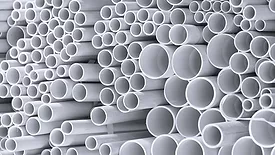
Tin-based heat stabilizers have long been the gold standard in North America for processing rigid and semi-rigid polyvinyl chloride (PVC) applications such as profiles, siding, and pipes.
Today’s aviation, defense, and space organizations navigate three converging trends: faster technology adoption, increasingly distributed supply chains, and rising expectations for risk-based oversight.
Wire built for aerospace applications operates across elevated altitudes where temperatures plummet to -50°C. Similarly, in defense applications, wiring must face the unpredictability of ground operations, enduring constant vibration and shock.
 RSS
RSS