 RSS
RSS

NDT
NDT | Aerospace
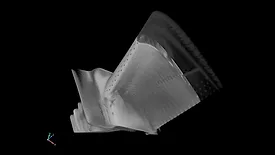
Advancements in Industrial X-Ray Computed Tomography
Implementing X-Ray CT technology provides a pathway to increased efficiency by overcoming production bottlenecks, addressing issues related to a shortage of skilled labor, and navigating supply chain challenges.
Read More
.webp?height=168&t=1751233044&width=275 "Battery-pack failure modes")
NDT | Test & Inspection
Best Practice Nondestructive Testing for EV Battery Packs, the Equivalent Channel Method
SAE International’s Battery Standards Testing Committee recently issued a recommended practice that established nondestructive in-line production test methods for evaluating water leak tightness for propulsion battery packs.
Read More


NDT | XRF
Ensuring Coating Quality: The Power of XRF Analysis in High-Tech Manufacturing
How XRF works, its advantages over traditional coating analysis methods, and its critical applications in ensuring product quality and compliance.
Read More

Guest Column | Richard Cuevas
A Whistleblower Speaking Truth to Power
It is important to choose battles wisely, as there may be repercussions.
Read More

Management
A Deeper Dive into Aero Quality: Upcoming IA9100 Series Standards Updates
The most personally transformative element of the upcoming revisions is arguably the formalization of quality culture and human factors within the QMS framework.
Read More


NDT | Aerospace
Aviation Manufacturing Quality and Nondestructive Inspection Special Processes
I am happy to report to you that we are safer in 2025 than we were in 1972.
Read More

Test & Inspection
Building Trust: The Role of QA/QC and Specialized Inspections in High-Stakes Manufacturing
We’ve seen firsthand how targeted inspections can prevent multimillion-dollar losses and protect human lives.
Read More

Aerospace
How Additive Manufacturing Technology is Transforming Repair and Maintenance Strategies
Rethinking Aerospace Repair
Read More
Aerospace Column
Why Should We Position Manufacturing Quality at the Center of our Businesses?
Manufacturing Quality starts at the quoting stage, including quality costs. Don’t miss any critical requirements. It may be too late when you get the purchase order…
Read More
