Software
The Latest in Calibration Software Trends
Thanks to AI and machine learning, we are seeing new amounts of data change the landscape of the calibration process.
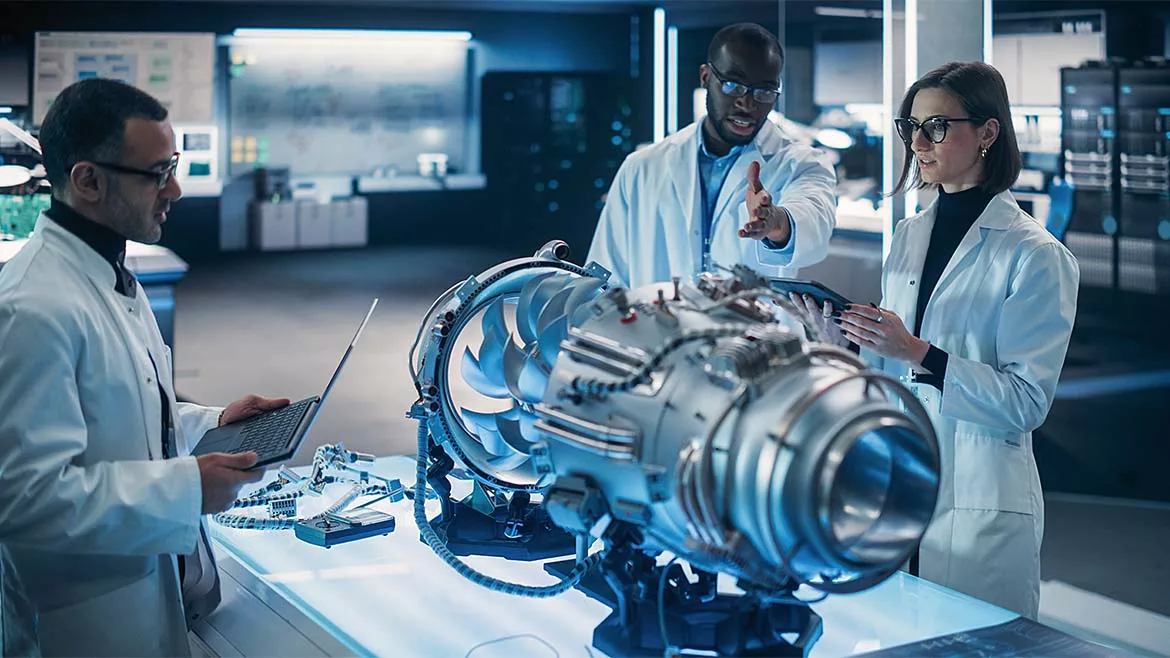
Image Source: gorodenkoff / iStock / Getty Images Plus
Gone are the days when chess-winning computers and moon walks wowed us. Today it is virtual reality, artificial intelligence and the internet of things that are making our jaws drop. Our world is becoming increasingly automated and integrated, giving us the ability to customize products more granularly, while at the same time opening up new worlds to their use. This shift is beginning to take hold in the world of calibration software.
The latest trends in calibration software are making calibrations more efficient, accurate and data-driven. Processes, traceability and compliance are simplified and integrated, making it easier to address the increasing demand for precision by regulators and the market.
Those of us in the quality space need to pay close attention and be ready to stand in the evolving equipment calibrations environment. Below are some of the trends to keep an eye on.
Calibration Software Defined
Calibration software allows you to digitally manage all calibration processes necessary for your equipment. With it you can centralize calibration records, such as instructions and policies, create a calibration schedule and get reminders when a calibration is due, store and archive calibration data and easily access it when needed, and integrate supplier or third-party records and certificates.
Many regulatory standards, including ISO 9001 and ISO 13485, require a formal, documented, traceable calibration system used to maintain the accuracy of instruments or machinery. Beyond regulatory standards, ensuring that equipment is properly calibrated verifies the accuracy of inputs and attests to the overall quality of the products or services you provide.
If you’re in an industry such as pharmaceutical, medical device or aerospace manufacturing, improper equipment calibration could ultimately have life-altering consequences. Proper equipment calibration is incredibly important and regulations are more exacting where end-user safety is a factor.
Again, being aware of the trends coming to manufacturing and calibration processes in general will help the quality industry be prepared to address regulatory and consumer demands for consistent precision. Probably the biggest changes we are seeing fall under the realm of Industry 4.0, the name for the integration of digital technologies, artificial intelligence (AI), the Internet of Things (IoT) and data analytics.
Industry 4.0
The internet of things is a term used to refer to a network of physical objects embedded with sensors, software or other technology that allows for the exchange of data via the internet. One of the simplest examples of this is a smartphone or smartwatch. These devices can collect information about you, such as physical activity and favorite shows, and provide relative feedback in the form of alerts and recommendations.
Thanks to the IoT and other technology, such as AI and machine learning, we are seeing new amounts and types of data change the landscape of the calibration process. Equipment can be outfitted with sensors that continuously monitor and collect performance data. AI algorithms can then analyze the data, provide real-time insight into the equipment’s performance and prescribe immediate action, if needed, better maintaining your asset and minimizing the risk of end-product defects.
Over a longer term, the collected data can predict when calibration is likely to be needed, leading to a more efficient calibration schedule and reducing equipment downtime. Data patterns that may not be easily noticed by standard analysis can be picked up through AI and machine learning, providing more reliable information for planning and decision making.
All of the data collected from equipment can be funneled into quality management software, where it is automatically integrated with related processes, such as document management or compliance applications, and shared with stakeholders, like suppliers and employees.
Although these so called “smart factories” are not currently the norm, especially for SMEs, the potential of the technology for the calibration industry is huge, especially as the industry faces a lack of incoming talent to the field. A predictive approach to calibrations will optimize resources, minimize disruptions and ensure that instruments are consistently within specifications.
3D Scanners
In metrology circles, there is a lot of excitement around the potential of 3D scanners and the accuracy they bring to the production line. These scanners can be taught to recognize different materials, volumes, shapes and surfaces, making them applicable to a variety of industries.
A 3D scanner used during production is more sensitive to equipment defects. By analyzing a product’s volume or geometry, the scanners can compare it to the standard and find deviations instantly. Scanner data is then used to recalibrate machines on site without human intervention.
The impact on quality includes greater precision, greater efficiency, consistency, and less downtime for equipment. It also means less time to identify deviations, perform root cause analysis and take corrective actions.
Remote Calibrations
As the calibration process becomes more digital it is also becoming more accessible remotely via the cloud. This is especially beneficial for companies with multiple locations or remote teams. With cloud-based solutions, technicians in the field can access and update calibration records from anywhere, making the process more streamlined and efficient.
Using these methods, technicians are able to perform calibrations on site, reducing the need for dedicated calibration labs, eliminating the need for paper records and manual data entry, reducing machine downtime, saving time, and minimizing the risk of errors.
Virtual Reality
Virtual reality has emerged as another tool in the calibration arsenal by providing a simulated environment where calibration technicians can visualize and interact with calibration processes and practice before performing calibrations on actual equipment. This is particularly applicable for training purposes, allowing technicians to replicate various calibration scenarios and conditions.
Virtual reality can provide immersive visualizations of complex equipment and calibration processes. Technicians can interact with virtual representations of equipment components, controls and measurement readings, enhancing their understanding of the calibration process and helping them identify potential issues more easily.
Automated Work Flows
Companies are embracing the benefits of automating their calibration management processes with one, centralized system. A robust calibration management software can connect and streamline all calibration activities, resulting in more controlled and consistent testing. Calibration activities are easily monitored and recorded, better ensuring the completion of all compliance processes.
With calibration software you can easily schedule and track calibrations, view outcomes, generate reports and certificates, and receive alerts when equipment is due for calibration. Calibration data is centralized and easily accessible.
Automated calibration software lets you:
- Store test parameters
- Schedule testing
- Store equipment data, including history, usage, service and repair records
- Easily access calibration data for audits
- Integrate calibration data with other quality processes, such as deviations and risk management
- Meet regulatory standards
- Manage inventory
- Assign corrective actions
Conclusion
In the evolving landscape of calibration software, businesses must embrace the latest trends as much as able to remain efficient and meet the needs of an increasingly demanding marketplace. From Industry 4.0 integration to artificial intelligence, remote calibrations, virtual reality and automated workflows, the future of calibration management is digital.
These technologies are not only enhancing efficiency and accuracy but also paving the way for smarter decision-making. As we navigate this technological revolution, it’s imperative for quality professionals to adapt and harness these innovations, ensuring compliance, optimizing resources and ultimately delivering top-notch products and services in an increasingly competitive market. Embrace the trends, stay agile and pave the way for a more precise and interconnected future in calibration management.
Looking for a reprint of this article?
From high-res PDFs to custom plaques, order your copy today!