Machine Vision
Lighting Design for Machine Vision, Part 2
There are many varied light sources commonly used in machine vision. This article shows each light source mapped onto the lighting cube.
This is the second article in a five-article series on machine vision. The first article in the series introduced the scene analysis form that enables machine vision lighting designers to identify the characteristics of parts and their background that create contrast.
This article develops the lighting cube that characterizes the lighting direction. It shows how common machine vision light sources map onto the lighting cube.
The third article in the series covers how information from the scene analysis form maps onto the lighting cube. The fourth article combines these mappings of the scene characteristics and light sources to identify lighting solutions suitable for most machine vision applications. The fifth article covers lighting color, polarization, and intensity. It also provides examples that challenge even experienced practitioners of machine vision.
Light Characteristics
Illumination striking any point in a scene has several characteristics. They are:
- Front lighting or back lighting
- Bright field or dark field lighting
- Directed or diffuse lighting
- Spectrum or color
- Intensity
- Polarization
The lighting cube discussed below represents the first three characteristics that all relate to the direction of the light. The last three characteristics are discussed in the fifth article in this series.
 Figure 1 -- Front Lighting - Image Source: Perry West
Front Lighting or Back Lighting
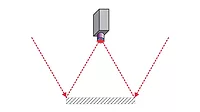
When the light source is on the same side of the object as the camera, it is front lighting. (See Figure 1.) Front lighting relies on reflected light from the scene reaching the camera.
When the light source is on the opposite side of the object from the camera, it is back lighting. (See Figure 2.) Back lighting usually relies on light being transmitted through the object or background to reach the camera.
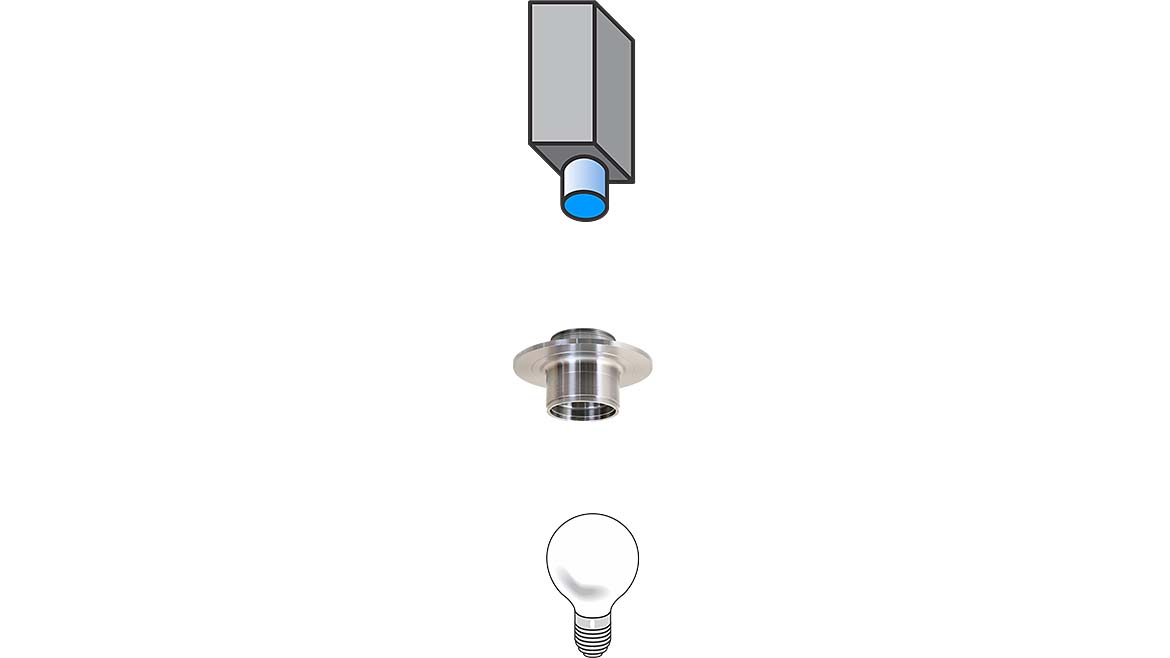 Figure 2 -- Back Lighting - Image Source: Perry West
 Because for front lighting, the light must reflect off the part to reach the camera, and for back lighting, the light must pass through or around the part to reach the camera. These two directional characteristics are considered mutually exclusive.
There are rare exceptions for very unique situations where front and back lighting are both used to make different aspects of the scene visible. Combining both takes extremely careful design and implementation. Also, rarely used is edge lighting, where the light is introduced into the part and conducted within the part by reflection and/or refraction to leave the part and reach the camera.
Bright Field or Dark Field
There is the concept of the illumination “W” for front lighting. If lines are drawn from the center of the lens to the edges of the field-of-view, and then continued as if they were reflected off a mirror, the lines form the shape of a “W”. When the light source is inside the illumination “W”, it provides bright field illumination. When the light source is outside the illumination “W”, it provides dark field illumination. (See Figure 3.)
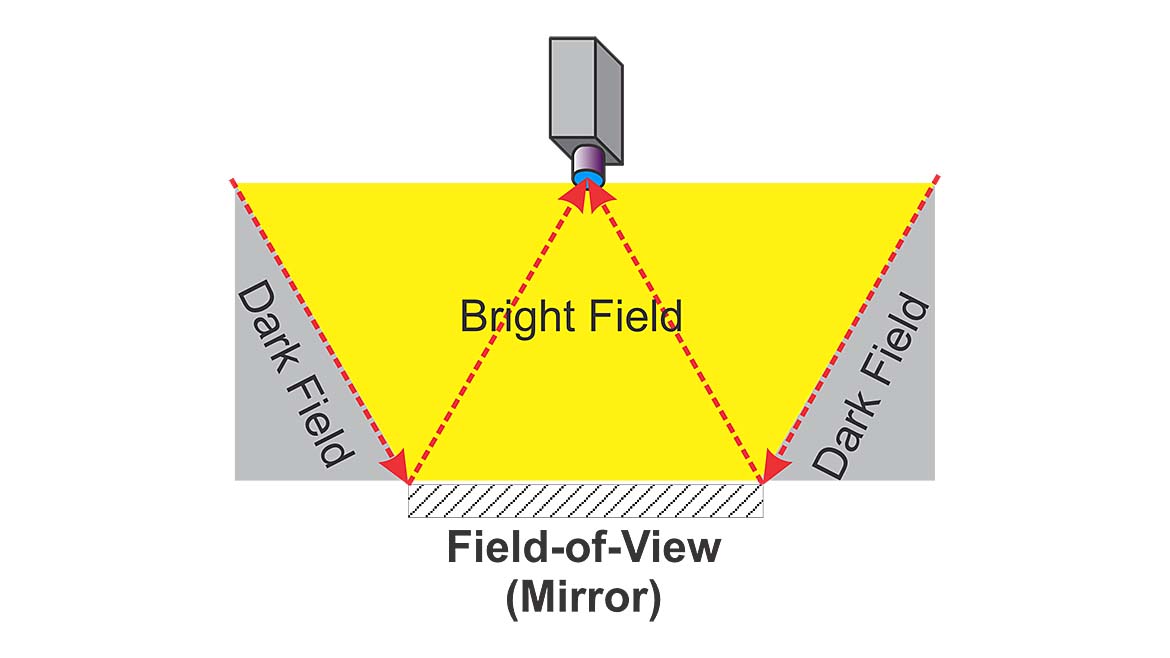 Figure 3 – Illumination “W” and Bright Field and Dark Field Lighting Regions - Image Source: Perry West
 For back lighting, the “W” turns into an inverted “V”. Light within the “V” is bright field, and light outside the “V” is dark field. (See Figure 4.)
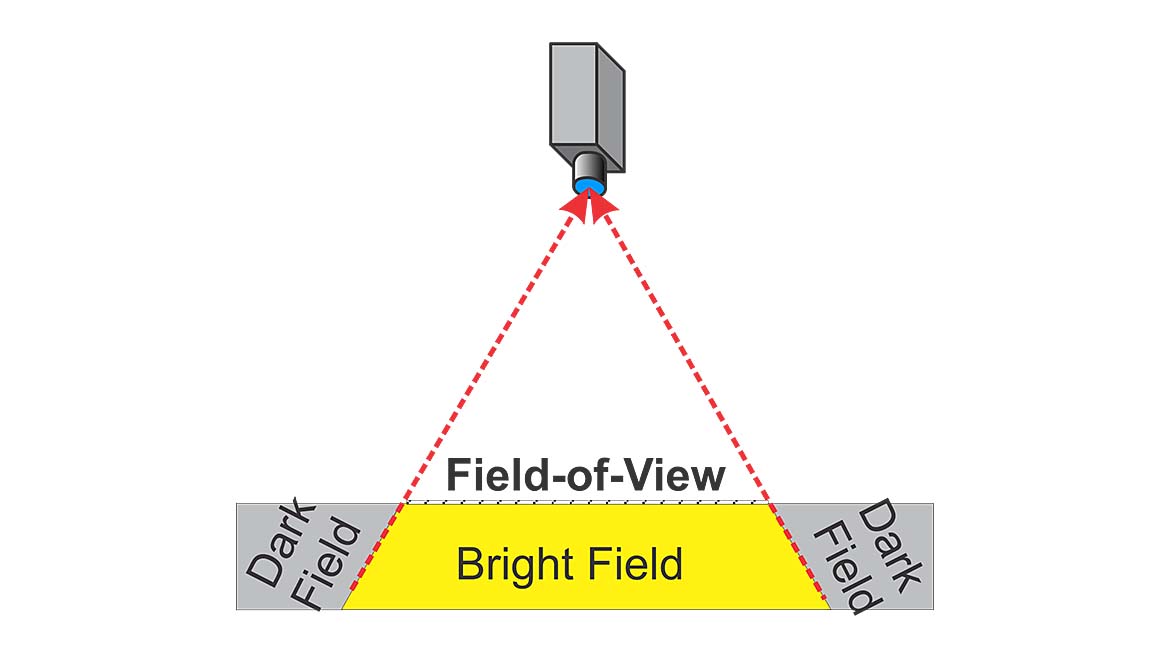 Figure 4 – Illumination “V” and Bright Field and Dark Field Back Lighting Regions - Image Source: Perry West
The third article in this series will show that the characteristics of the scene can affect the shape of the “W” or “V” as well as make the demarcation between bright and dark field very crisp or very blurry.
Direct or Diffuse
The first article in this series introduced the scene analysis form where reflection could be specular (not scattering the incident light), diffuse (scattering the incident light over a wide range of angles), or semi-diffuse (scattering the light over a narrower range of angles).
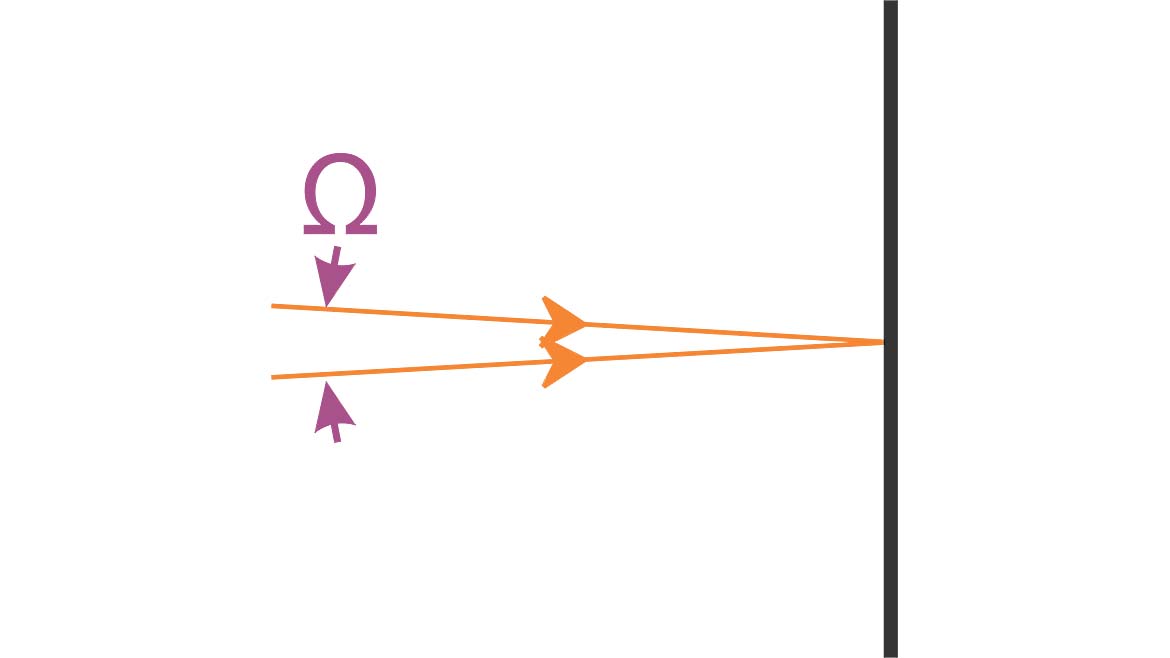 Figure 5 -- Direct Illumination - Image Source: Perry West
Diffuseness is also a property of incident light as well as reflected light. When incident light arrives at a point in the scene from a very narrow range of angles, it is direct illumination. (See Figure 5.)
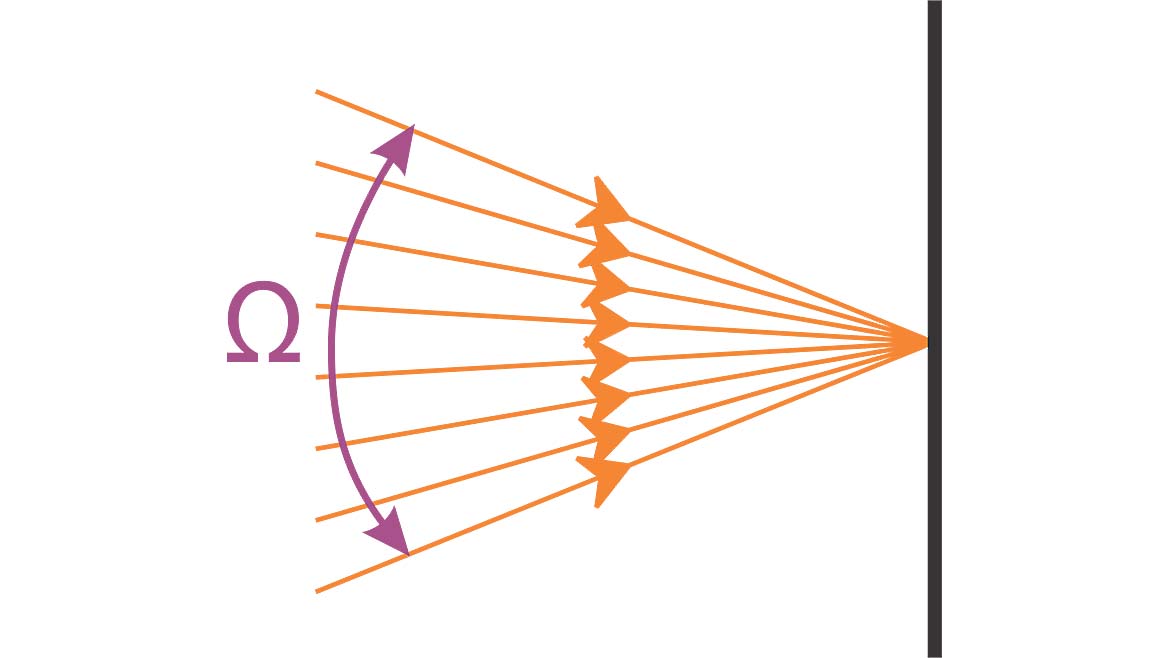 Figure 6 -- Diffuse Illumination - Image Source: Perry West
Direct illumination casts strong, distinct shadows. When incident light arrives at a point in the scene from a very wide range of angles, it is diffuse illumination (see Figure 6). Diffuse illumination provides very indistinct shadows or sometimes no shadows at all.
Color or Spectrum
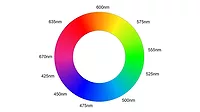
Light incident on a scene also has a spectrum. Also, as recorded on the scene analysis form, light that is reflected, transmitted, or emitted by an object also has color characteristics. For human vision, any of these characteristics is called color. In machine vision applications, color is a label for the light spectrum and can extend outside the visible region to ultraviolet and infrared. In many machine vision applications, the concept of color as seen by humans is adequate for illumination design, and the entry on the scene analysis form can be something like red, green, blue, yellow, white, black, etc. In more demanding applications, such as grading fruit for ripeness, a more detailed analysis of the light spectrum is needed.
While color is extremely important in machine vision illumination and can greatly enhance contrast, the discussion of color is deferred to the fifth article in this series.
The Lighting Cube
The first three pairs of characteristics above all relate to light direction and can be shown as a cube with axes of Front Lighting/Back Lighting, Bright Field/Dark Field, and Direct/Diffuse. (See Figure 7.)
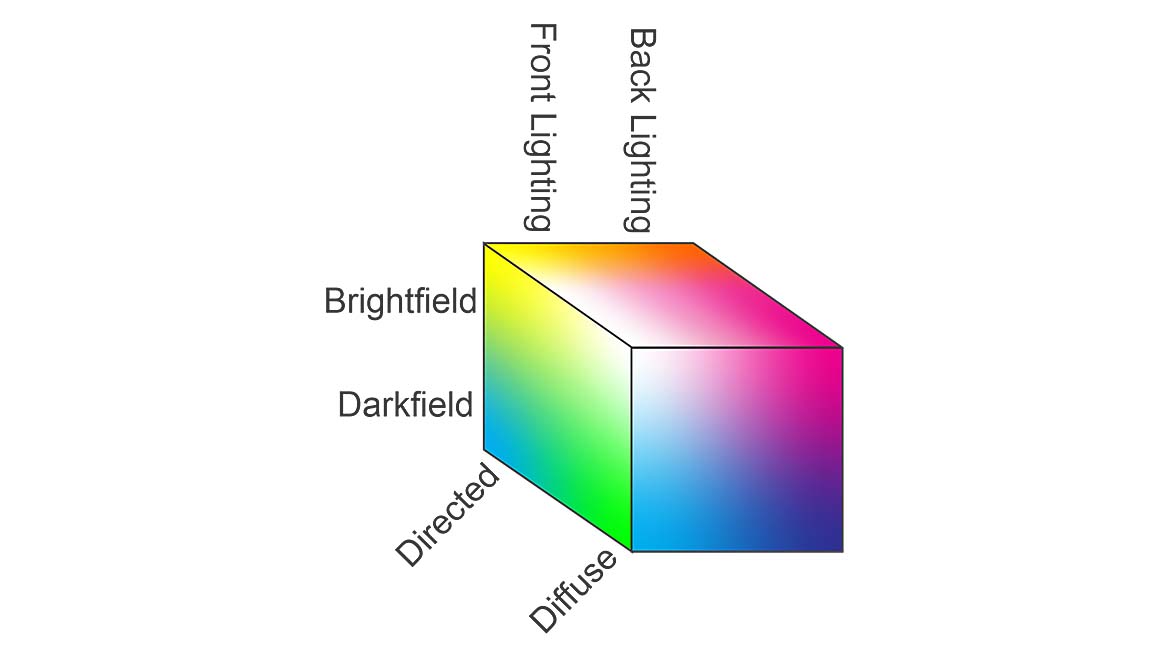 Figure 7 -- The Lighting Cube - Image Source: Perry West
Since front lighting and back lighting are mutually exclusive, the lighting cube can be simplified into two rectangles: one for front lighting and the other for back lighting. This is shown in Figure 8. The two halves together are still referred to as the lighting cube for simplicity.
While the lighting cube represents the directional characteristics of machine vision illumination, it doesn’t address dimensional requirements. It doesn’t address the size of the light source to be appropriate for the size of the field-of-view. It also doesn’t address working distance restrictions that affect which lighting techniques and sources are compatible with an application.
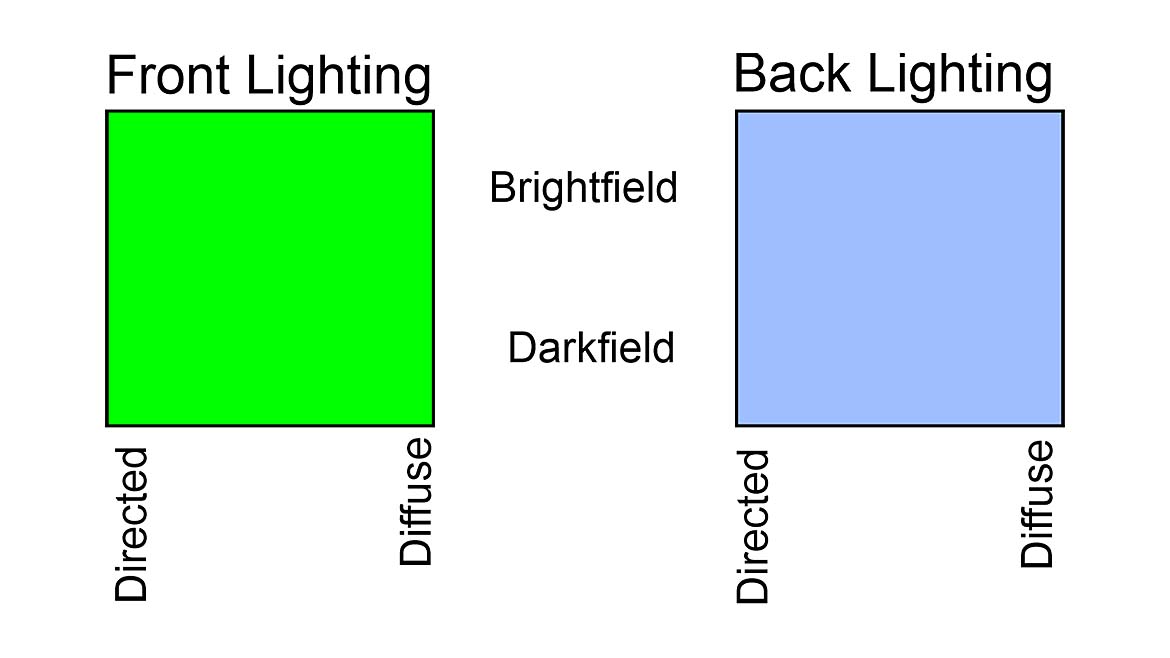 Figure 8 -- Two Halves of the Lighting Cube - Image Source: Perry West
Common Light Sources Used in Machine Vision
There are many varied light sources commonly used in machine vision. We can map each of these sources onto the lighting cube. Because LED lights are so ubiquitous, this discussion will assume these are the light sources. However, xenon strobe lamps, fluorescent ring lamps, and fiber optic illuminators still find occasional niche applications. These other sources could also be mapped onto the lighting cube.
This article shows each light source mapped onto the lighting cube. Because there is such a range of light source configurations for every type of light and because the working distance, light to scene, varies with each application, the mapping of light sources onto the lighting cube is subjective and not quantitative. Yet, as will be shown in the fourth article in this series, the mappings can give good insight into what type of light source will work for an application.
Spot Light
The light source that most often comes to mind is the spot light. (See Figure 9.)
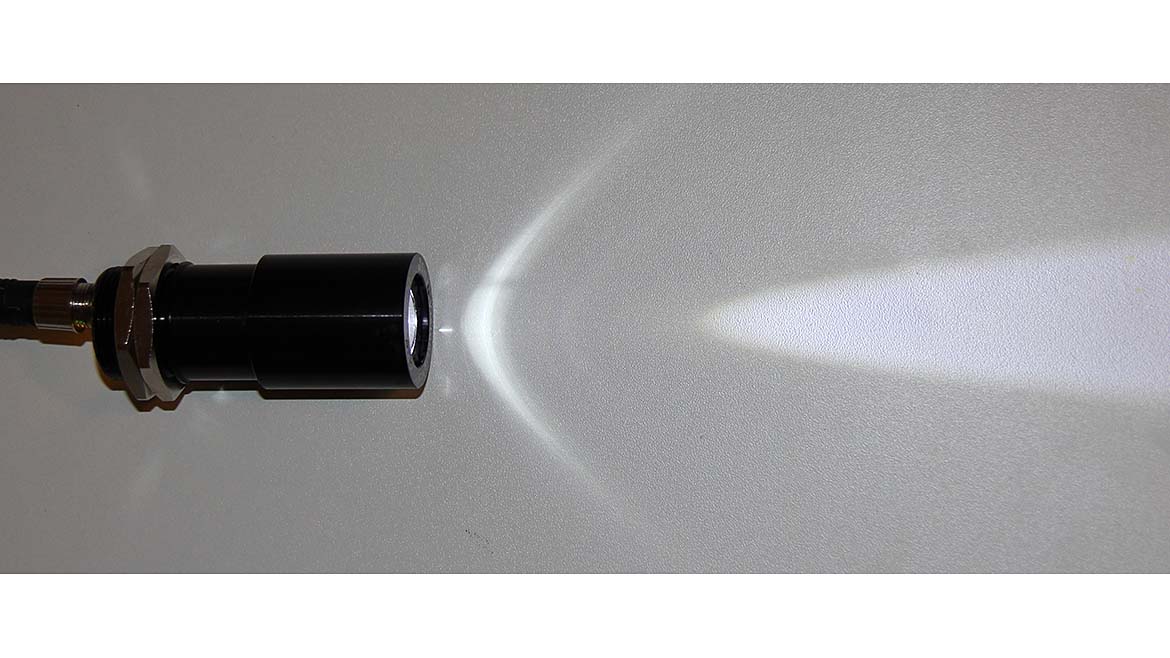 Figure 9 -- Small Spot Light - Image Source: Perry West
This is a light that has its light focused on a limited area, is fairly direct, and casts strong, distinct shadows. While used occasionally in machine vision applications, its drawback is that it usually provides light with poor uniformity across the field-of-view unless it is used with a long working distance from the field-of-view.
Figure 10 shows the spot light mapped onto the lighting cube. The white areas are its areas of best use. The colored areas are where it is not generally appropriate.
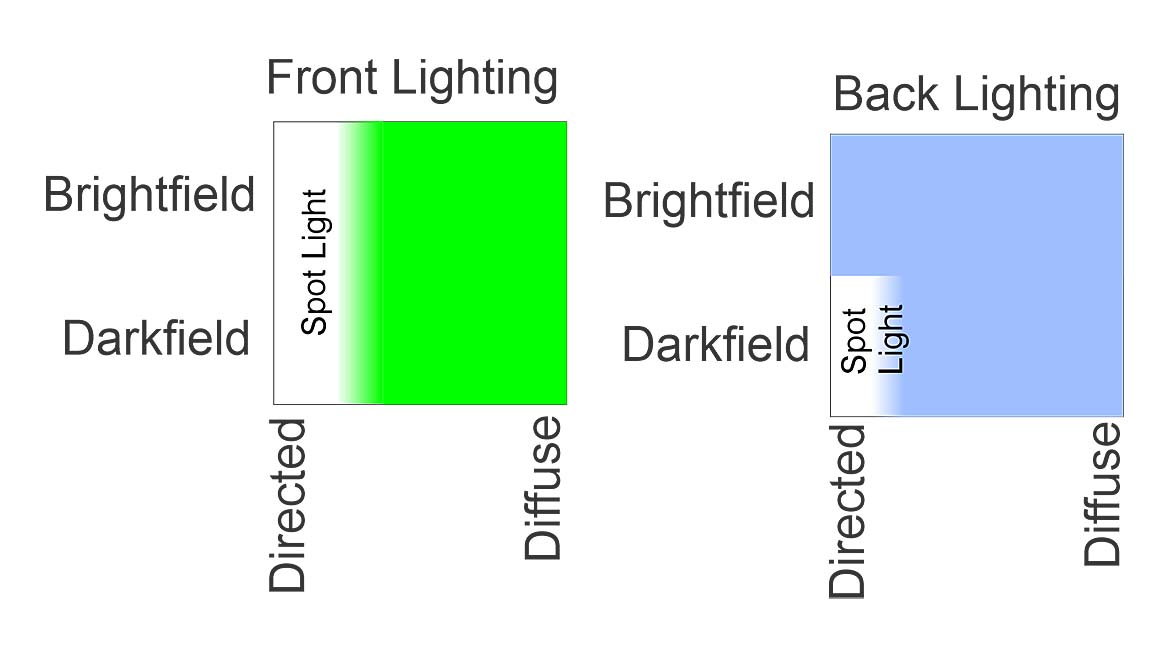 Figure 10 -- Spot Light Mapped onto the Lighting Cube - Image Source: Perry West
Flood Light
A flood light (see Figure 11) is designed to flood an area through a range of angles, making its light somewhat diffuse. The flood light produces soft shadows. Because they are designed to illuminate a large area, flood lights are used occasionally for very large fields-of-view. However, in this use, they may give illumination with some non-uniformity across the field-of-view.
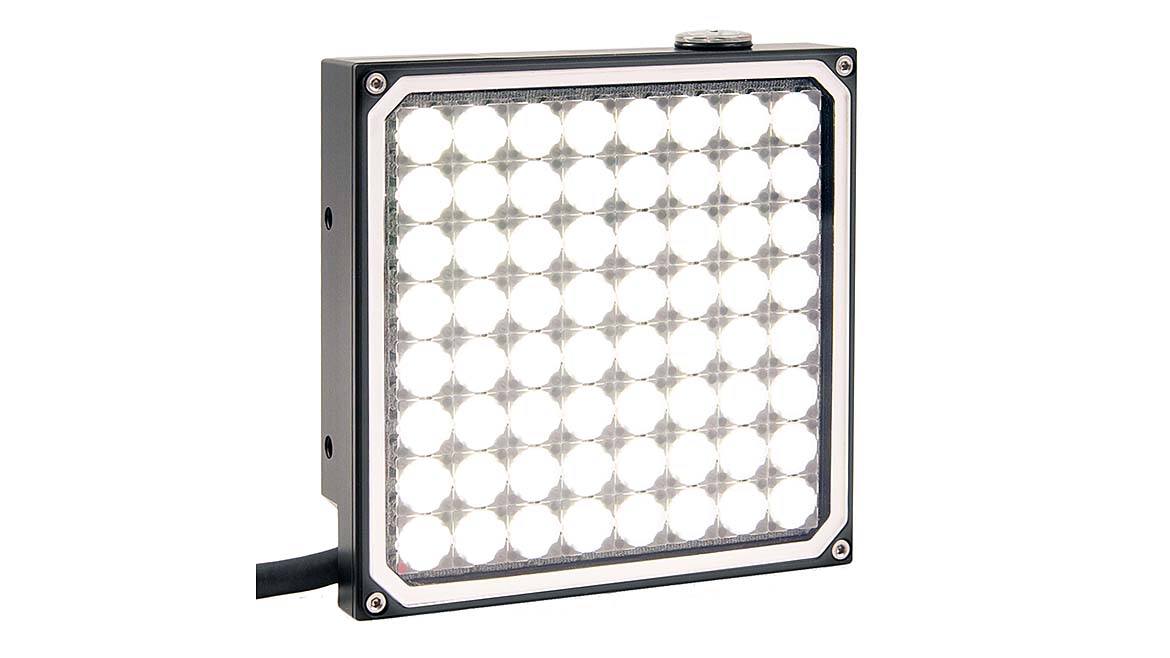 Figure 11 -- Flood Lamp - Photo by LUMIMAX by Exaktera
Figure 12 shows the flood light mapped onto the lighting cube. Notice that there is no mapping for its use as a back light since the light is unsuitable for this application.
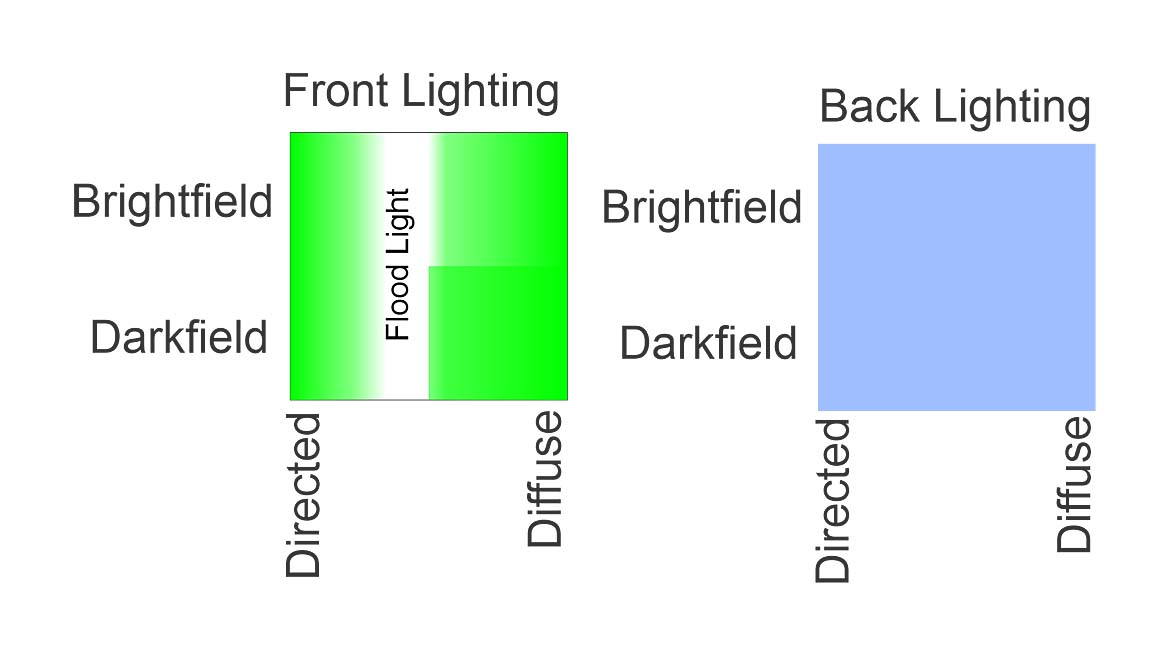 Figure 12 -- Flood Light Mapped onto the Lighting Cube - Image Source: Perry West
Bar Light
The bar light is a form of a flood light. (See Figure 13.) Because of its rectangular format, it is very diffuse in its long dimension and only somewhat diffuse in its narrower dimension. This light is finding frequent use in machine vision applications.
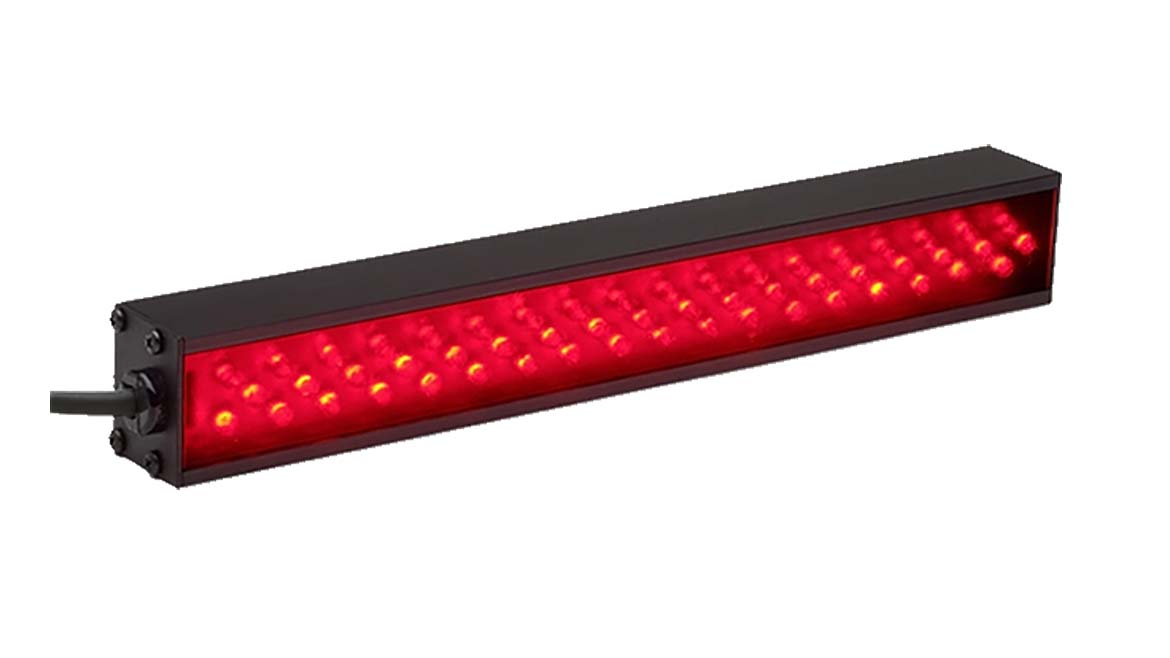 Figure 13 -- Bar Light - Photo by Advanced Illumination
Figure 14 shows the bar light mapped onto the lighting cube. Because of its geometry, it does find some application as a dark field back light.
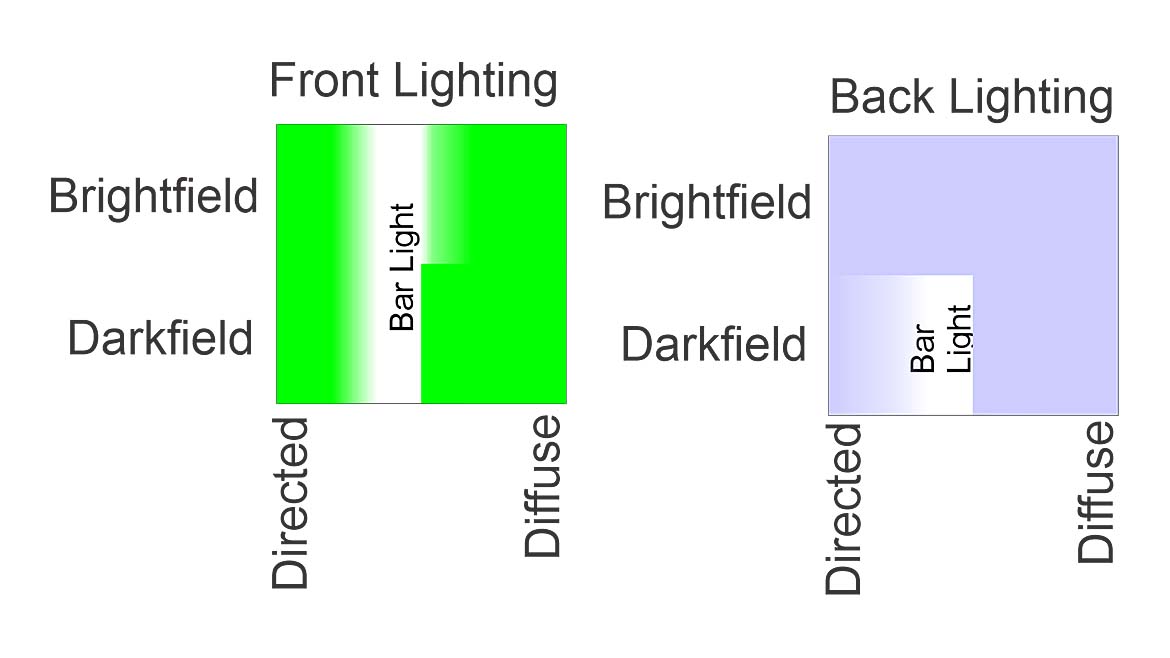 Figure 14 -- Bar Light Mapped onto the Lighting Cube - Image Source: Perry West
 Something is becoming evident in this mapping. The lower right corner is masked off. The masking identifies that a dark field light source cannot be highly diffuse. If it were highly diffuse, it would encroach into the bright field area.
Ring Light
Perhaps the most common light source used in machine vision is the ring light. The ring light is very versatile and is available in a wide range of sizes and configurations. A common error in machine vision applications is for the vision system developer to start out using a ring light without considering how illumination can be configured to give the most reliable vision system.
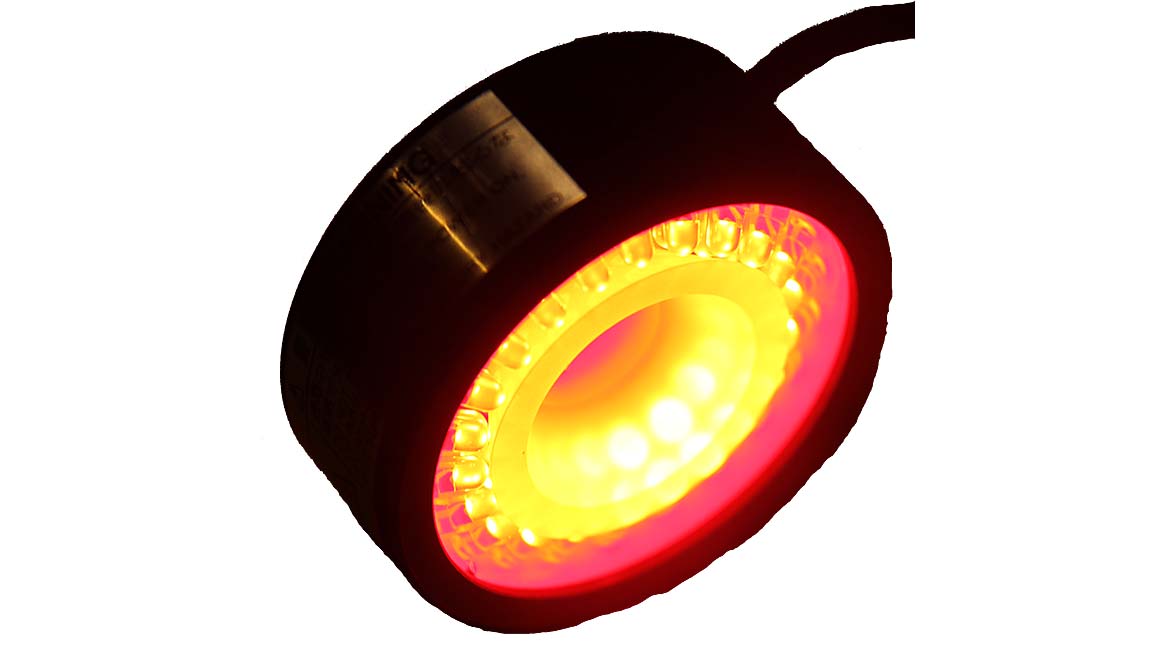 Figure 15 -- Bright Field Ring Light - Image Source: Perry West
 To give the best uniformity, ring lights are designed for either bright field (Figure 15) or dark field (Figure 16) illumination. Bright field ring lights have their LEDs aimed more axially along the ring light’s axis. Dark field ring lights have their LEDs aimed more radially toward the ring light’s axis.
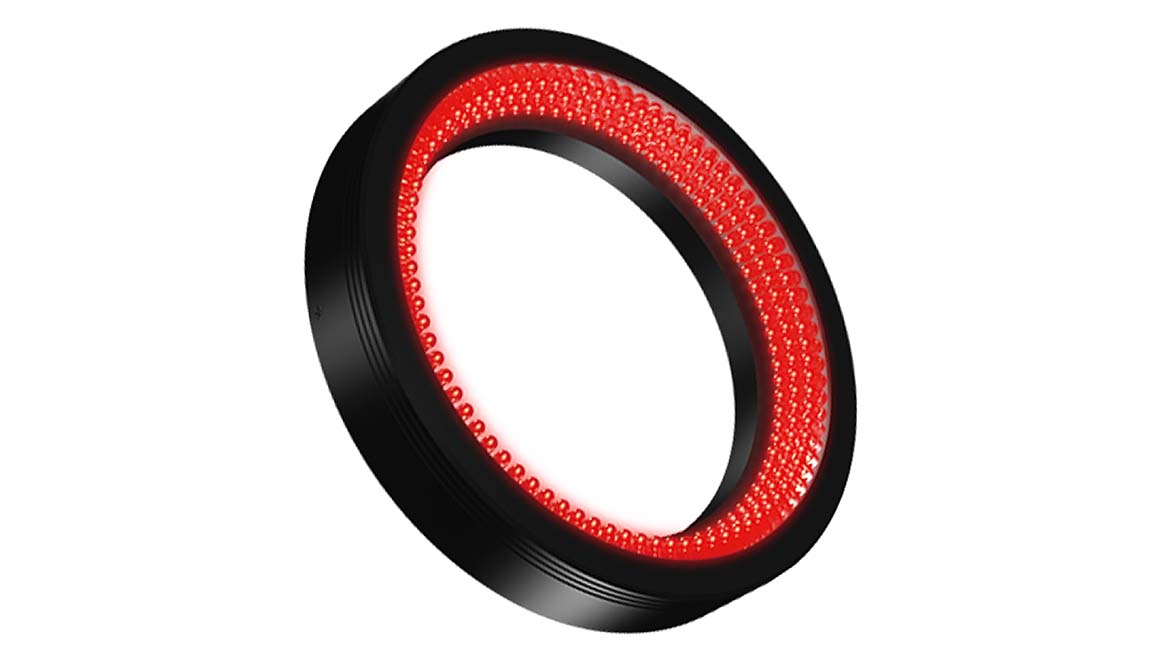 Figure 16 -- Dark Field Ring Light - Photo by CCS
Note that ring lights are designed to give the best performance not only from bright or dark fields but also for a certain range of fields-of-view sizes and a certain range of working distances. The information in these articles will help you identify if a ring light is right for your application. It will not serve as a provider of the specifications of the right light.
Figure 17 shows the ring light mapped onto the lighting cube.
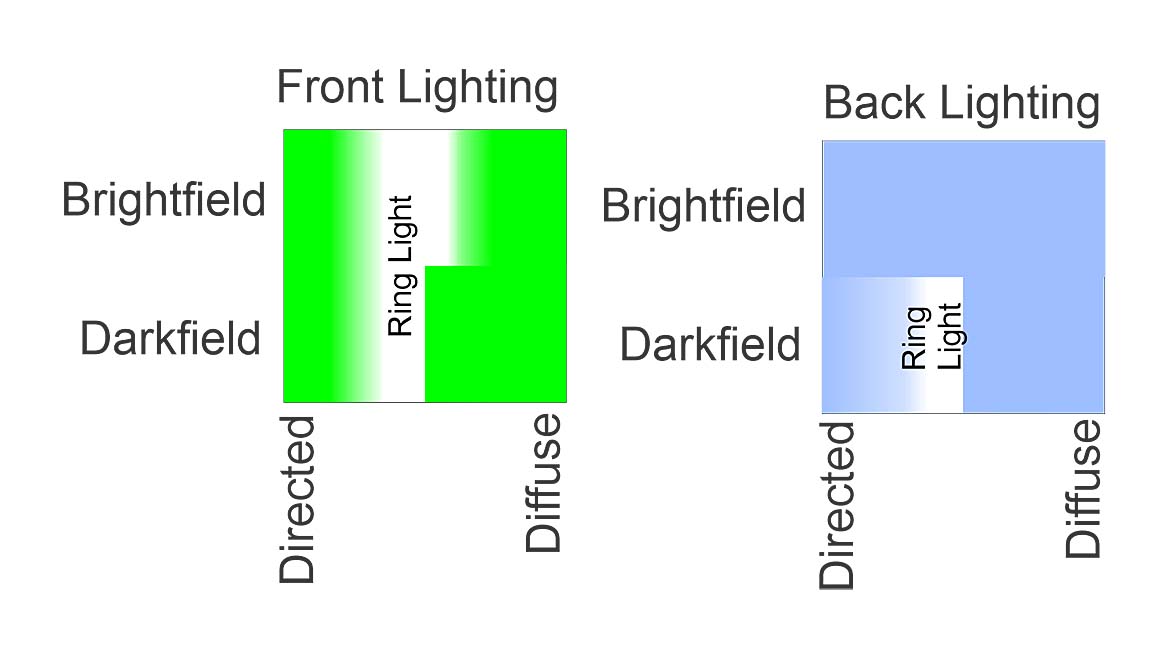 Figure 17 -- Ring Light Mapped onto the Lighting Cube - Image Source: Perry West
Another form of ring light is created using several bar lights; typically, four bar lights are shown in Figure 18. The advantage of this configuration is that it allows adjustment of the angle of the bars to give the best (most uniform) illumination.
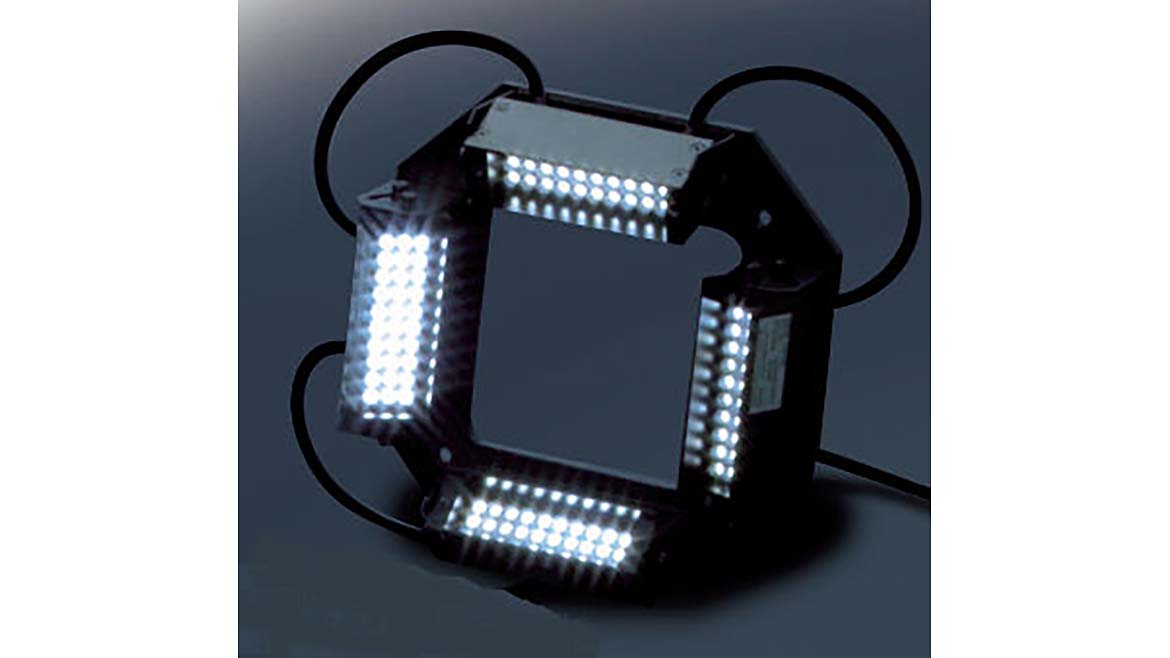 Figure 18 -- Four Bar Lights as a Ring Light - Photo by Moritex
Coaxial Illuminator
Coaxial illumination is illumination provided on-axis with the imaging lens. Most often, coaxial illumination is built into the lens. Macro lenses and telecentric lenses are available with built-in coaxial illumination.
Telecentric lens coaxial illuminators provide very directed illumination. The illumination is direct and parallel with the optical axis of the lens.
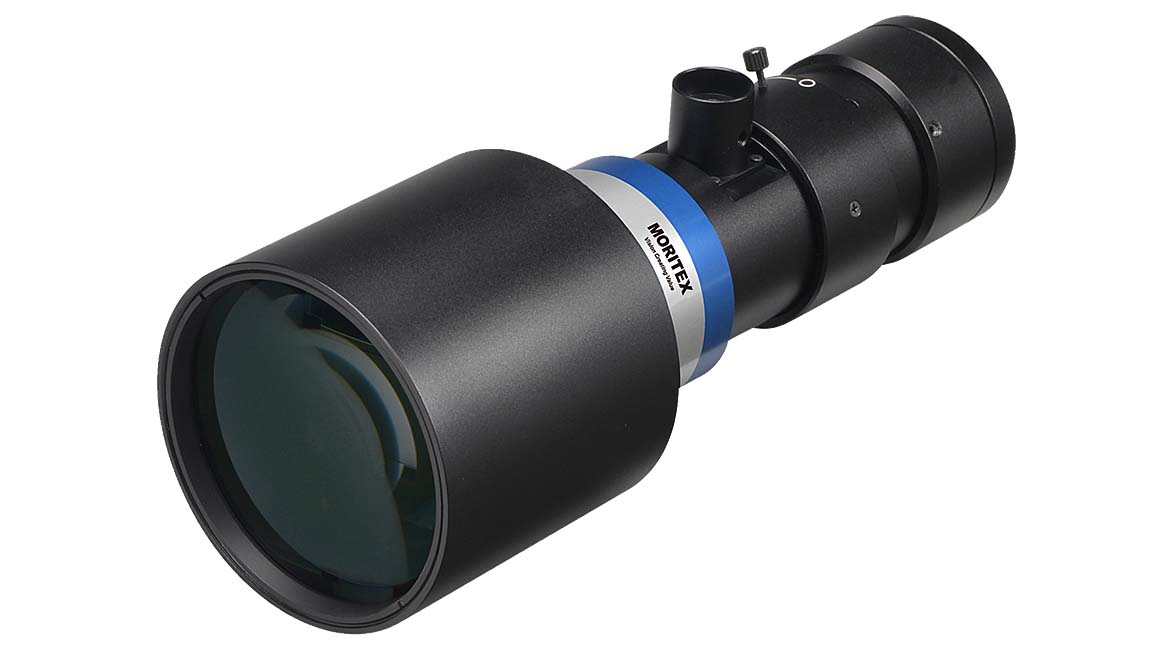 Figure 19 -- Macro Lens with Coaxial Illumination Port - Photo by Moritex
Macro lenses having coaxial illumination (see Figure 19) may be partially diffuse for high-magnification macro lenses or provide more directed light from many low-magnification macro lenses.
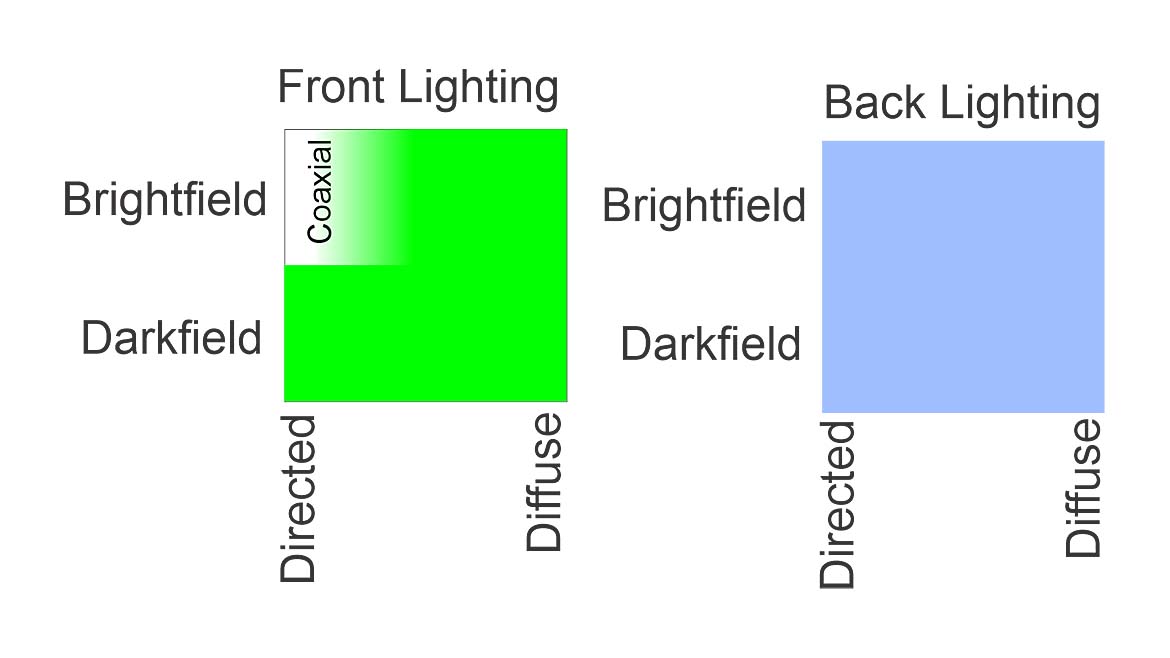 Figure 20 -- Coaxial Light Mapped onto the Lighting Cube - Image Source: Perry West
 Figure 20 shows the coaxial illumination mapped onto the lighting cube.
Coaxial Diffuse Illuminator
A light source that is external to the lens but still coaxial is the coaxial diffuse light source shown in Figure 21. This illuminator is normally placed just beneath the lens. The light from an array of LEDs is transmitted through a diffuser and reflected off the beamsplitter onto the scene. Light from the scene passes through the beamsplitter to reach the camera’s lens.
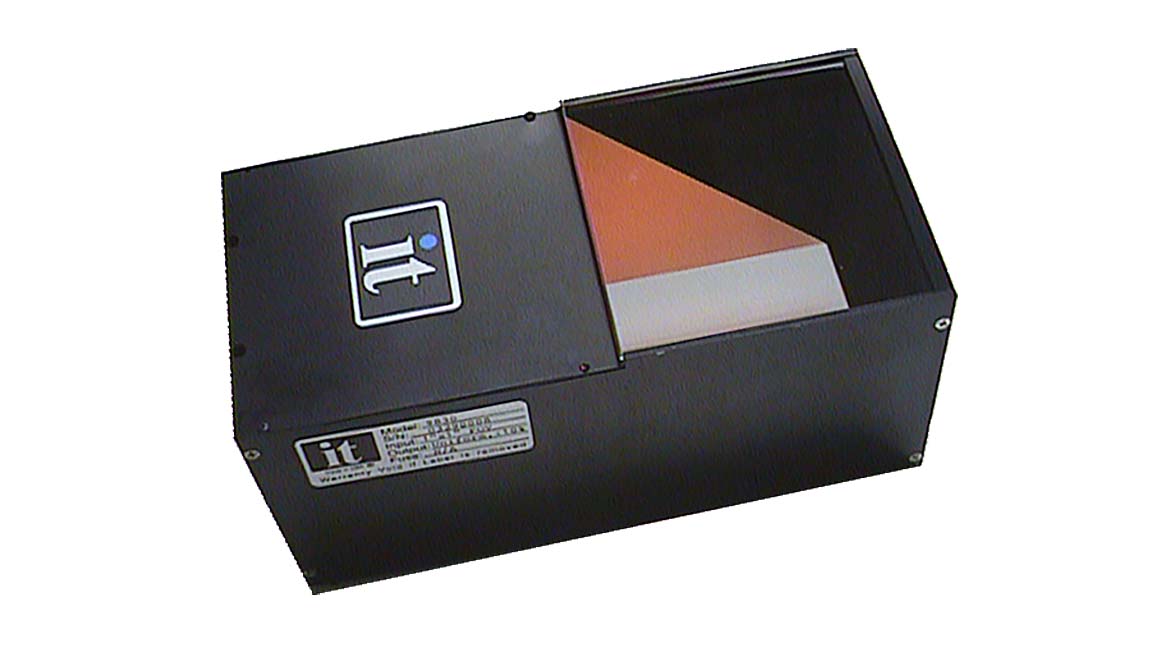 Figure 21 -- Coaxial Diffuse Illuminator - Photo by Illumination Technology
The coaxial diffuse illuminator maps onto the lighting cube as shown in Figure 21. Note that the coaxial diffuse illuminator has no purpose for either dark field lighting or back lighting.
 Figure 22 -- Coaxial Diffuse Illuminator Mapped onto the Lighting Cube - Image Source: Perry West
 Diffuse Back Light
The diffuse back light is another very common light source for machine vision. Its construction consists of an array of LEDs illuminating a diffusing plate, as shown in Figure 23. It provides broad diffuse illumination. While it could be used as a flood light in some unique circumstances, this would be rather rare and inefficient.
 Figure 23 -- Diffuse Back Light - Photo by Advanced Illumination
The diffuse back light maps onto the lighting cube as a back light, bright field, and diffuse as shown in Figure 24.
 Figure 24 -- Diffuse Back Light Mapped onto the Lighting Cube - Image Source: Perry West
 Semi-Collimated Back Light
The semi-collimated back light (see Figure 25), also called by some people a collimated back light, is similar in appearance to the diffuse back light. In fact, it is a diffuse back light with collimating films to restrict the light output angle. Where the diffuse back light emits light over an almost 180° angle, the semi-collimated back light emits light through an angle range of around 30°.
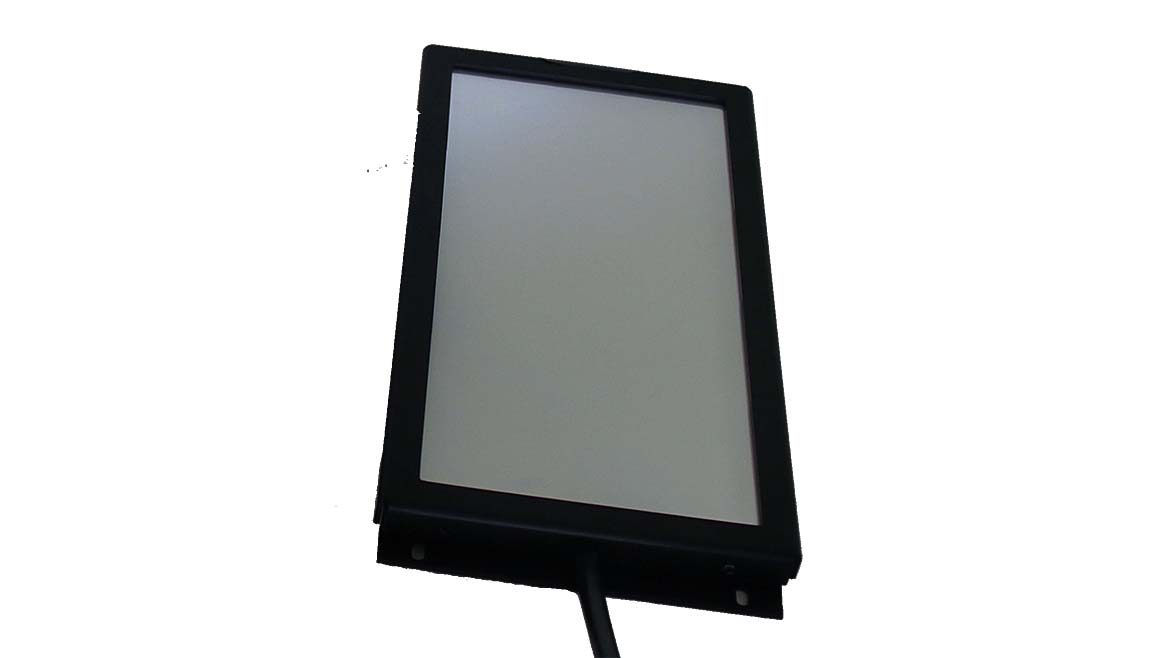 Figure 25 -- Semi-Collimated Back Light - Image Source: Perry West
 The semi-collimated back light maps onto the lighting cube similarly to the diffuse back light, except it is more directed, as shown in Figure 26.
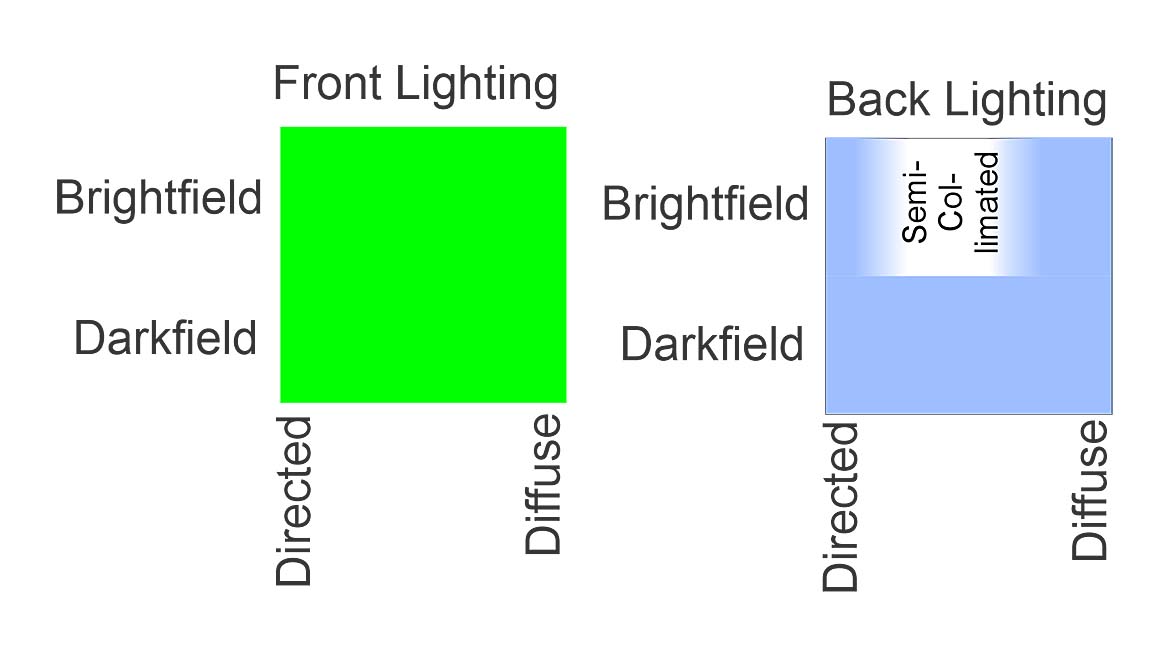 Figure 26 -- Semi-Collimated Back Light Mapped onto the Lighting Cube - Image Source: Perry West
 Telecentric Light
The telecentric light is a light projector using a telecentric lens. (See Figure 27.) This results in highly collimated light where each point on the scene is illuminated perpendicularly with an extremely narrow range of light angles.
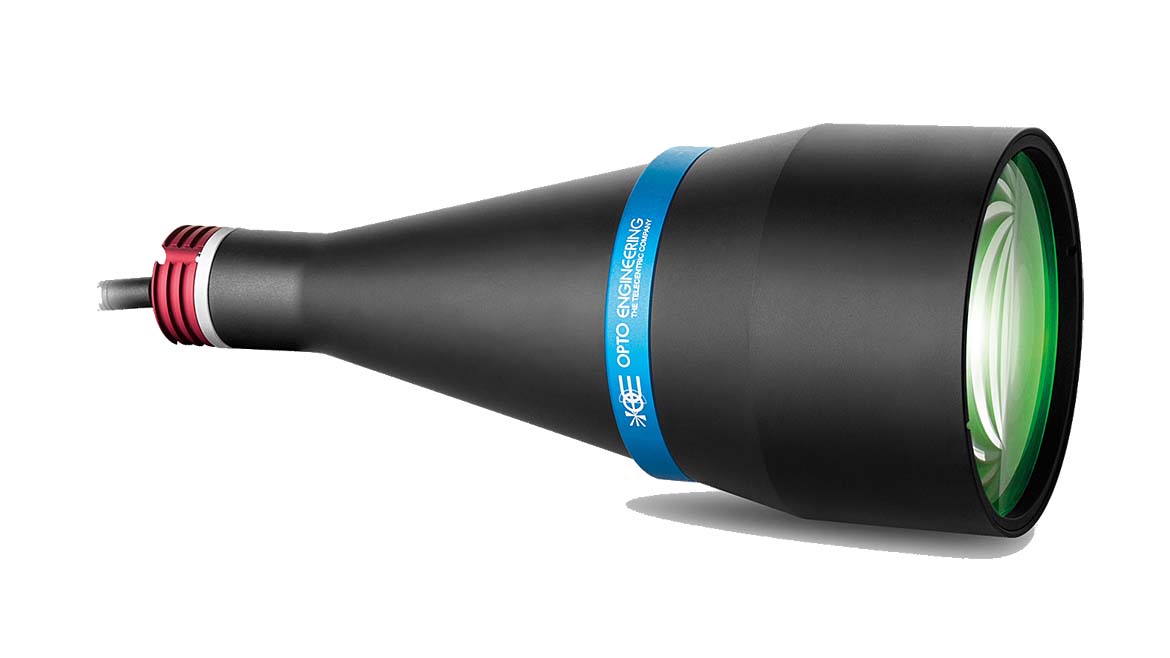 Figure 27 -- Telecentric Light - Image Source: Perry West
Because only a very small fraction of the light output reaches any point on the scene, telecentric lights are used primarily for back lighting. Due to their collimation, telecentric lights must be as large as or larger than the size of the scene and be used with a telecentric lens.
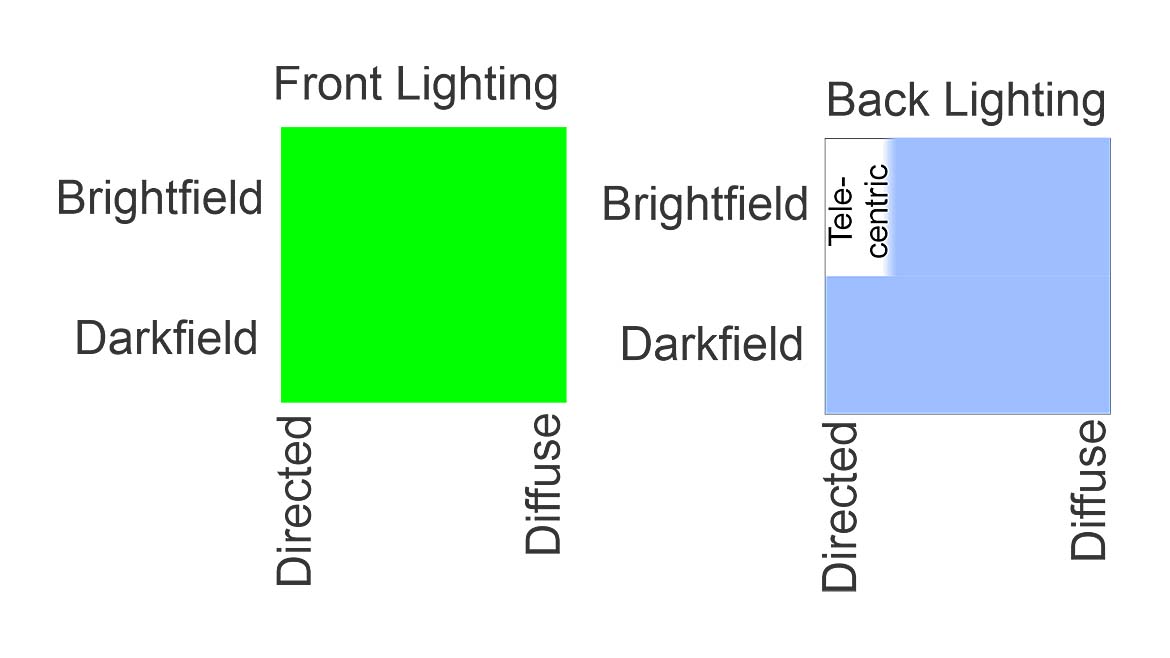 Figure 28 -- Telecentric Light Mapped onto the Lighting Cube - Image Source: Perry West
Figure 28 shows how the telecentric light maps onto the lighting cube as very direct bright field back lighting.
Conclusion
This second article in the series on lighting introduced the lighting cube and showed how the light sources commonly used in machine vision illumination fit into the lighting cube. Figure 29 shows all the light sources covered and how they map onto the lighting cube. Overlaying all the mappings shows the range of lighting covers all of the lighting cube except for the lower left corner for both front lighting and back lighting. As previously stated, this is due to the impossibility of having very diffuse dark field lighting.
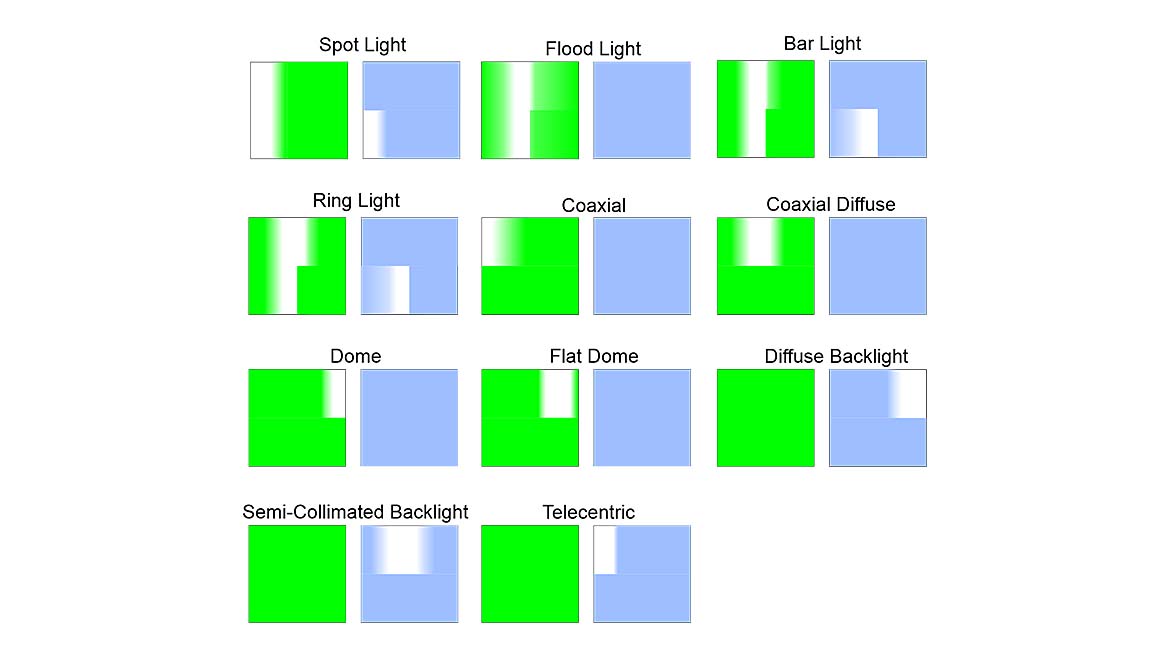 Figure 29 -- All Light Sources Mapped onto the Lighting Cube - Image Source: Perry West
 Figure 30 -- Range of Light Sources for Front and Back Lighting Ranging from Direct to Diffuse - Image Source: Perry West
The collection of light source mappings is available at: https://drive.google.com/drive/folders/1qU5EUshTyHfxRbzZqW7-XNs_4NjFJTDv?usp=drive.
The third article in this series on lighting shows how the information from the scene analysis form introduced in the first article of the series maps onto the lighting cube.
Looking for a reprint of this article?
From high-res PDFs to custom plaques, order your copy today!