Management
A Modern Manufacturing System Requires Sustainable Continuous Improvement Methods Beyond Lean Six Sigma
The traditional manufacturing environment of predictable supply chains alongside stable customer demand and patient improvement cycles no longer exists in modern industry operations.
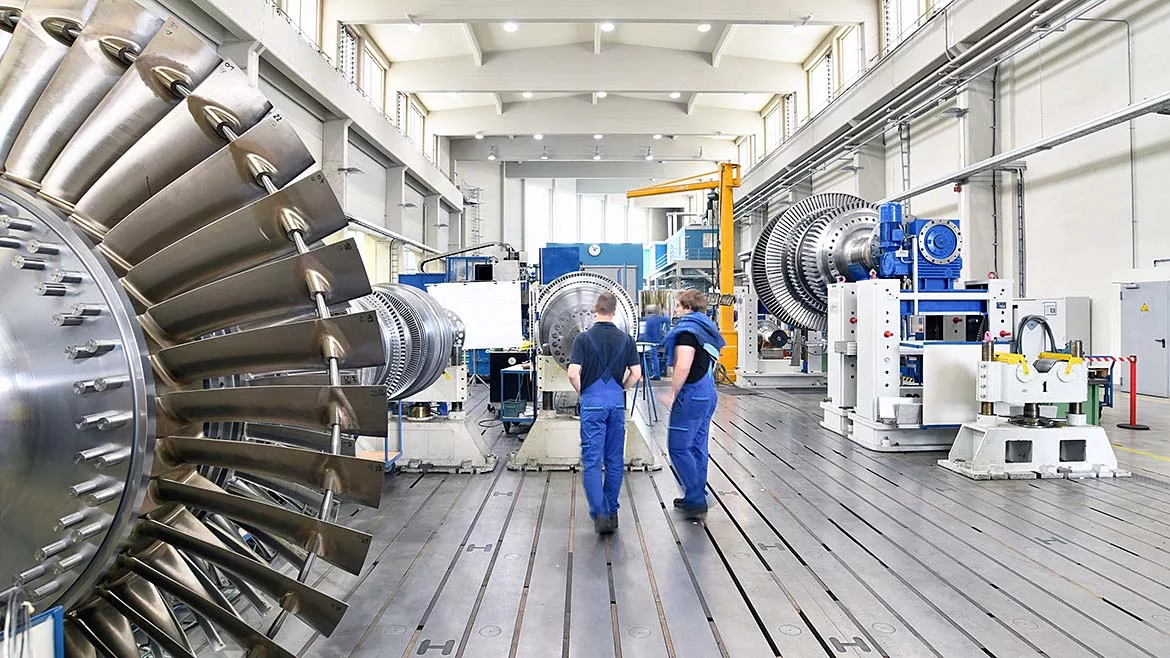
Manufacturing operations have always relied on continuous improvement as their fundamental operational excellence framework. While the established Lean Six Sigma (LSS) approach remains beneficial, manufacturers must integrate essential modern features into their systems because of current business realities.
The traditional manufacturing environment of predictable supply chains alongside stable customer demand and patient improvement cycles no longer exists in modern industry operations. Current manufacturing operations experience rapid disruptions. Organizations need digital competency spread throughout their entire operational structure. They must integrate adaptability with transparency and organizational DNA relevance to create sustainable, continuous improvement cultures within their current environment.
A systematic review of LSS in manufacturing showed that more than half of the projects failed because of inadequate leadership support, poor communication, resistance from employees, and misalignment of resources. These are not rare exceptions; they are common obstacles, especially in cross-cultural rollouts.
Lean Six Sigma provided organizations with a structured approach to define problems, while measuring performance and analyzing root causes and implementing controls. But month-to-month, the problems that needed solving changed.
In one of my roles, I developed an interactive recipe dashboard using Excel with Power Query and VB scripting. It was simple, cost-effective, and powerful enough that senior leaders used it to make data-driven decisions. In another case, I built a custom Phage dashboard to track culture usage and microbial counts across shifts, helping us avoid repetition and contamination, while providing traceability and early warnings.
In another high-impact project, I automated the CTQ report using Excel macros to reduce operator input errors and streamline customer reporting. These tools didn’t just save time, they built trust and transparency between engineering and quality teams.
More recently, I developed a Python-based label automation tool for a large-scale engine manufacturer. The tool generates QR-coded labels with product metadata immediately after laser marking, eliminating the need for manual lookup and reducing delays at the final packaging stage. It’s currently being deployed to reduce operator workload and improve traceability.
Real-time decision-making, leadership continuity, and global operating model implementation require modern continuous improvement strategies to remain effective.
Data visibility stands as the essential element for this transformation. LSS programs from previous times based their performance evaluations on monthly reports and manual spreadsheets together with feedback from team leaders. Modern manufacturing organizations construct digital dashboards through Power BI tools, which enable real-time monitoring of essential facility performance metrics. Through Power BI implementation at Rockwell Automation, the operational workflow became more efficient by reducing reporting duration by 70% and shortening root-cause analysis periods to hours from days. Workers on the factory floor now execute operational adjustments during the current period, instead of performing them weeks after the fact during post-event assessments.
Similar VBA-driven systems can be used to boost operational visibility and productivity. At a former plant, I created a Microsoft Access database that linked to SAP to extract and organize part routing and order data. Operators could instantly filter and check live order statuses, which improved tracking, accountability, and follow-up during daily planning.
I also used Excel to conduct root cause analysis on critical equipment issues, including persistent belt stoppages on a production line. After mapping trends and correlating downtime triggers, I proposed countermeasures that significantly reduced unplanned stoppages.
Additionally, I improved operator usability by designing process sheets and part-tracking templates that simplified the flow of manufacturing data between planning and production.
These are just some first-person examples of how this approach can be used, but for it to truly succeed, the evolution must go beyond digital transformation to include fundamental conceptual changes. Operational perfection used to be represented by lean concepts, such as just-in-time inventory systems. The approach that was once perfect now brings organizational dangers.
The original JIT system of Toyota has evolved to adopt a "just-in-case" inventory management approach for important components because of multiple supply chain disruptions. The concept of efficiency continues to exist but organizations now balance it against their needs for resilience and operational continuity. The traditional definition of waste has also undergone changes. Process optimization now includes environmental impacts such as energy waste and excessive carbon emissions together with unsustainable material procurement. The inclusion of sustainability metrics in Unilever’s continuous improvement framework led to €700 million worth of operational savings through waste reduction and decreased water and energy consumption.
Creating lasting improvement cultures among global networks proves to be a significant challenge. Interview dozens of executives at real-world organizations in the same situation and you’d hear this same story, one that demonstrates an essential principle that improvement frameworks require tailored implementation. A global structure with standardized metrics and core methodologies should exist alongside local flexibility, which includes regional leadership for implementation and training programs in local languages and KPI modifications that respect regional conditions. The corporate initiative transforms into an unwanted box-checking exercise when it lacks proper implementation.
The implementation of technology supports basic improvement initiatives at every stage. Visual Basic scripting helps organizations transform Excel automation by performing repetitive tasks which lead to transformative results.
The Journal of Applied Research in Technology & Engineering published a 2023 study which analyzed how a leather footwear SME in Lahore, Pakistan, used VBA in Excel to automate its production planning reports. The manual generation of plans required 3.11 minutes before automation. The implementation of conditional loops and button-triggered macros reduced plan generation time to 1.75 minutes which resulted in a 44% reduction of reporting time and better forecasting accuracy and reduced errors. The case shows that basic VBA scripting produces significant benefits for small manufacturers who cannot afford full-scale ERP systems.
The process of maintaining improvement requires more than just tools. Organizations need to create progress visibility along with the ability to repeat improvements. A system of dashboards with open corrective action tracking and delay alerts and team performance scorecards creates an ongoing feedback loop, which turns continuous improvement into an everyday process instead of an occasional initiative. The visibility system enables better accountability and staff engagement than certification programs achieve on their own.
The solution requires advancement instead of elimination. Lean Six Sigma remains a strong base, yet its effectiveness depends on integration with agility and digital integration and sustainability awareness. The members of improvement teams need to develop equal comfort levels between real-time data monitoring and macroeconomic uncertainty and traditional tools like fishbone diagrams and control charts.
Building a sustainable culture of continuous improvement in modern manufacturing isn’t about choosing between Lean Six Sigma and digital transformation, it’s about evolving both. Manufacturers who combine traditional methodology discipline with automation agility, real-time data visibility, and diverse team adaptability will develop systems which learn from disruptions while enduring them. The companies that succeed won’t be those that chase one-off efficiency gains, but those that embed improvement into their everyday mindset of being scalable, resilient, and always staying one step ahead of whatever comes next.
Looking for a reprint of this article?
From high-res PDFs to custom plaques, order your copy today!