Column
Best Practices in the Care, Use, and Maintenance of Thread and Cylindrical Gages
Gaging is an investment. A high-quality gage will give you better wear resistance and longer life for your investment.
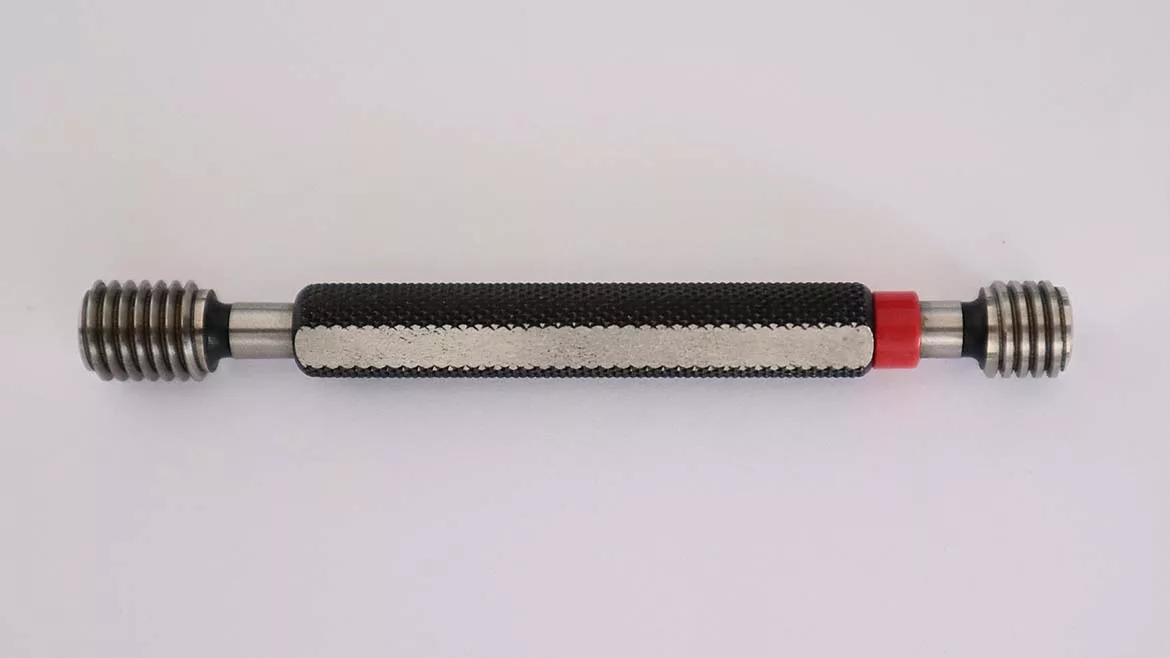
Thread and cylindrical gages are essential tools in precision manufacturing, playing a critical role in ensuring parts meet strict dimensional requirements. However, even the most precise gage can lead to inaccurate readings or rejected parts if not properly handled, maintained, or calibrated.
In this article, we’ll cover the best practices for the care, use, and maintenance of gages—helping your team avoid costly errors and extend the life of these valuable tools.
Thread gages are delicate precision instruments that manufacturers take extensive measures to protect during transit, including plastic coatings, secure containers, and shock-resistant packaging.
Once received, you should inspect the package and gages immediately, making sure to unpack with care. Dropping a thread plug or ring, even with protective coating, can cause nicks or affect alignment and size. Even minor damage can result in inaccurate measurements and failed inspections. If damage occurs, reach out to the manufacturer. Keep in mind most manufacturers have a limited warranty: The sooner you reach out, the more they can help.
A robust inspection process during incoming receiving inspection should include but is not limited to gage size; tolerance; actual measured values; unique gage number; date received; calibration date; and next calibration due date, along with other relevant information for traceability.
Before using or calibrating, it’s essential to clean your gage thoroughly. Even microscopic debris can compromise accuracy.
To ensure reliable measurements, correct use of your gage is crucial. Cleaning both the gage and parts and applying a light coat of oil before measuring will reduce wear and prevent seizing. When turning your GO gage onto or in a part remember that fingertip pressure is all you need; never force a gage into or onto a part. Remember a GO thread plug isn’t a tap, and a GO ring isn’t a die. Cylindrical plugs and rings might not have threads, but they will scratch, burr, or develop a pickup easily if parts are not clean or are forced.
Remember these Do’s and Don’ts for gaging:
- Use fingertip pressure – Don’t force or spin a gage
- Calibrate gages regularly – Don’t use gages past their calibration dates
- Store gages individually and where they are protected – Don’t store in sunlight or damp spaces
- Re-inspect gages if dropped – Don’t use damaged gages
Using the correct gage for the job is crucial. When ordering your precision gage, you want to match your gage to your exact tolerance requirements. It is a good idea to order both the GO & NOGO. Relying solely on a GO gage provides no control on the NOGO side and may lead to needing to use tighter than needed tolerance when manufacturing your parts or could result in passing a failed part. Gaging is an investment—a high-quality gage will give you better wear resistance and longer life for your investment.
When selecting your calibration cycle, remember there is no one-size-fits-all calibration schedule; frequency should be based on actual use. High-use gages may require shorter calibration cycles, while gages that aren’t used often can have a longer calibration cycle. When checking materials like aluminum, brass, and plated parts, gages might need to be calibrated more often due to the abrasive and accelerated wear that is caused by these types of materials. Finer pitches typically wear more quickly than the coarser-pitch gages. Tracking gage wear history will help you develop an efficient, cost-effective calibration schedule. Remember the cost of gaging is driven by care, use, and control.
This control extends to proper use in the field as well as in the care of the gages in the quality department. Training staff on proper handling, cleaning, and pressure could help to extend the life of your gage.
Protecting Your Precision Gage Investment: Thread and cylindrical gages are not just inspection tools; they’re an integral part of your quality assurance process. Neglecting their care leads to higher costs, inaccurate measurements, and product rejections.
By implementing the best practices outlined in this article—you’ll extend the lifespan of your gages, reduce expenses, and improve your product quality.
Looking for a reprint of this article?
From high-res PDFs to custom plaques, order your copy today!