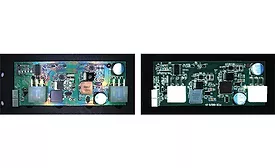
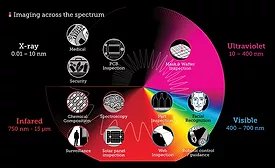
Part 1 of this three-part series examined how to identify characteristics of the object and the background you can use to create contrast with the illumination source for your machine vision application. This second part looks at how you go about choosing a light source to take advantage of the characteristics that create contrast.
You have probably heard, and perhaps experienced, that lighting is a big challenge in applying machine vision and a vital key to its successful application.
Much of the latest news surrounding machine vision is about machine learning and the innovations regarding algorithms. But those algorithms need data to perform correctly. The data in this case is the images. It is imperative to capture the best image possible so that the algorithms can perform at their highest level.
When an engineer begins the process of specifying a new machine vision system, they will often think very carefully about the line speed, the optics, and the image processing software.
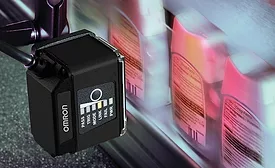
Quality assurance during high-volume production operations, such as the inspection of consumer packaged goods (CPGs), is possible only through the application of high-speed machine vision systems.
Lens and camera sensor technology tends to co-evolve. As cameras drive to smaller and smaller pixel sizes with growing formats, lenses need to be designed to match those higher capabilities.
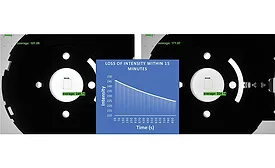
Lighting and lighting control is a critical component of any machine vision system since it has a massive influence on the signal to noise ratio and contrast in the images acquired.
Whether an imaging system measures dimensions, verifies colors, or determines shape, the purpose of machine vision is to distinguish an object from its background.
The demand for machine vision has grown exponentially as manufacturing facilities turn to automated quality control solutions to remain competitive in fast-paced markets with decreasing tolerance for error. In fact, the rise of machine vision is directly correlated with the increase in automation and robotic use in factories.