RSS
RSS

Measurement
Measurement
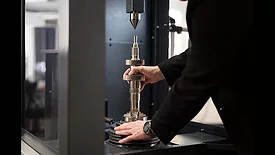
How Universal Shaft Machines are Redefining Shop Floor Measurement
The complex geometries found in modern shafts, such as splines, tapers, grooves, cams, gears, threads, and 3D contours, require more than straightforward diameter checks.
Read More

Case Study
Somebody Always Has to Go First: Grand Traverse Tool Becomes First Haas CMM Customer with Verisurf Software Integration
As Grand Traverse Tool has moved deeper into the medical, aerospace, and energy markets, quality verification requirements have become increasingly demanding.
Read More
Case Study
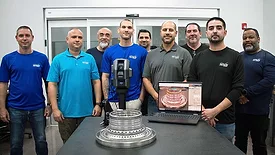
Handheld CMM Helps MRO Shop Enhance Inspection
The standout feature of the system was its ability to hold tight tolerances—an essential requirement when working with aviation components.
Read More

NCSLi Column
Putting the Customer Front and Center: The Rise of Customer-Centric Quality
Let’s stop chasing compliance—and start designing quality for people.
Read More

Measurement
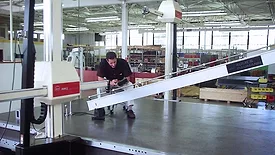
CMM Technology on the “Shop Floor”? Why Not!
CMMs have been in the industry since the ‘70s and historically had an untrusted stigma. Because of their time in the industry and their continued evolution, that’s changed.
Read More

Measurement
Gloss, Haze, and the Hidden Variables: A Guide to Understanding Surface Appearance
Key factors such as gloss, haze, distinctness of image, and orange peel work together to determine the overall total appearance, along with hidden variables that also control your outcome.
Read More

Measurement
Making Sense of Gage R&R Analysis
Ultimately, the goal is not just to evaluate the gage but to ensure that capability studies, SPC charts, and process improvement projects are built on reliable data.
Read More

Measurement
Model-Based Definition in 3D CAD: Advances, Methods and Quality Implications
For much of the industrial era, engineering communication revolved around 2D technical drawings. Today, advances in Model-Based Definition (MBD) are reshaping that paradigm.
Read More