
Items Tagged with 'Gage R&R'
ARTICLES


Measurement
Making Sense of Gage R&R Analysis
Ultimately, the goal is not just to evaluate the gage but to ensure that capability studies, SPC charts, and process improvement projects are built on reliable data.
Read More
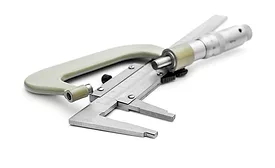
New Lessons in Gage Management: Don’t Overlook GR&R Testing
Strong gage management and tracking impacts a manufacturer's ability to grow, experts say.
Read More


An R&R Study
In most situations, you're likely to be surprised by the amount of R&R error detected.
Read More
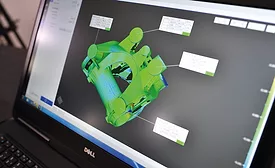
3D Scanning with Metrology
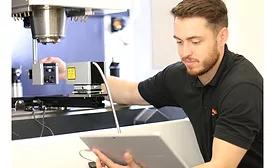
Metrology applications can benefit from the speed and data available from 3D scanning.
Read More

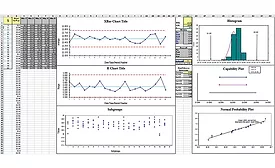
Automating Quality in Manufacturing
Automating quality in manufacturing is rarely a one-size-fits-all decision.
Read More
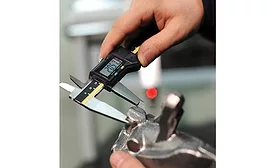
Before your analysis, take these steps: Assuring reliability in data collection
If you are measuring product characteristics to monitor quality and don’t perform R&R studies, a cloud of uncertainty surrounds your results.
Read More

Seven Ways Gage Management Improves Product Quality and Enables Growth
Manufacturers can significantly improve their visibility into operations through gage repeatability and reproducibility (GR&R) studies.
Read More
Missing the Point: Gage Variability and Operational Definitions
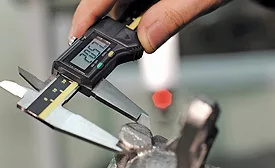
Clear operational definitions can prevent chaos.
Read More